Up next in 10


The Giant Intestinal Fluke: Fasciolopsis buski
Website: https://biologynotesonline.com/
Facebook: https://www.facebook.com/biologynotesonline
Instagram: https://www.instagram.com/biologynotesonline/?hl=en
Show More Show Less View Video Transcript
0:00
Fascalopsis busky has a very specific
0:02
geographic distribution. This giant
0:05
intestinal fluke is primarily found in
0:07
southern and eastern Asia where
0:09
environmental conditions favor its
0:11
complex life cycle. The parasite is
0:13
endemic in six main countries across
0:15
this region. China has historically
0:18
reported the highest number of cases
0:20
particularly in rural areas with rice
0:22
cultivation. Thailand, Vietnam and Laos
0:25
form another cluster of endemic
0:27
countries in Southeast Asia. India and
0:30
Bangladesh represent the western extent
0:32
of this parasites range where recent
0:34
studies show increasing prevalence in
0:36
certain regions.
0:39
The distribution of fascilopsis busky is
0:42
closely linked to specific environmental
0:44
and social conditions. Areas with poor
0:47
sanitation infrastructure provide ideal
0:49
conditions for the parasites
0:51
transmission cycle. Contaminated water
0:53
sources, particularly in rural areas
0:55
with rice cultivation, create perfect
0:57
breeding grounds. The consumption of raw
1:00
or undercooked aquatic plants like water
1:03
chestnuts and lotus roots completes the
1:05
transmission pathway.
1:07
Understanding this geographic
1:09
distribution is crucial for public
1:11
health efforts. The parasite's presence
1:13
is not random. It follows patterns of
1:15
human behavior, agricultural practices,
1:18
and sanitation infrastructure across
1:20
these Asian regions.
1:23
The history of fascilopsis busky begins
1:26
in 1843 when British scientist George
1:29
Busk made a groundbreaking discovery
1:31
that would help us understand one of the
1:33
largest parasitic flukes affecting
1:35
humans. George Busk was examining
1:38
specimens when he first identified this
1:40
giant intestinal fluke. His careful
1:43
observations and documentation laid the
1:45
foundation for all future research on
1:48
this important parasite. Here's what
1:50
George Busk would have observed under
1:52
his microscope. The distinctive anatomy
1:54
of this large fluke with its
1:56
characteristic suckers and internal
1:58
organs that help us identify it even
2:01
today.
2:03
Over the following decades, scientists
2:05
built upon Busk's work. By the early
2:08
1900s, researchers began systematic
2:10
studies of the parasites behavior and
2:12
distribution patterns. A major
2:14
breakthrough came around 1950 when
2:17
scientists finally understood the
2:19
complete life cycle of fascilopsis busky
2:22
including its intermediate hosts and
2:23
transmission methods. By the year 2000
2:27
this historical knowledge had led to the
2:29
development of effective modern
2:31
treatments like prazaquantel
2:33
transforming how we manage
2:35
fascalopsiasis today.
2:38
Understanding this historical
2:39
progression is crucial because it shows
2:41
how scientific knowledge builds over
2:44
time. Each discovery from Busk's initial
2:47
observations to modern molecular studies
2:50
contributes to better prevention and
2:52
treatment strategies we use today.
2:54
Fascalopsis Busky has very specific
2:56
habitat requirements. This giant
2:59
intestinal fluke thrives in particular
3:01
freshwater environments that provide
3:03
everything it needs to complete its
3:05
complex life cycle. The fluke loves
3:08
freshwater environments like this swampy
3:10
landscape. These areas provide the
3:12
perfect conditions with slowmoving or
3:14
stagnant water, abundant vegetation, and
3:17
the right temperature for the parasite
3:19
to survive.
3:21
Three main types of freshwater habitats
3:23
are particularly important. Rice patties
3:26
provide shallow, warm water with plenty
3:28
of organic matter. Ponds and rivers
3:31
offer diverse ecosystems with various
3:34
plants and animals that support the
3:35
parasites life cycle.
3:38
These habitats are crucial because they
3:40
support specific snails from the genus
3:42
segmentina.
3:44
These small freshwater snails serve as
3:46
intermediate hosts, meaning the parasite
3:49
must develop inside them before it can
3:51
infect humans. Without these snails, the
3:54
parasite cannot complete its life cycle.
3:57
The habitat must also contain specific
3:59
aquatic plants like water chestnuts,
4:01
lotus, water calrop, and water bamboo.
4:05
The parasite attaches to these plants
4:07
after leaving the snails. Humans become
4:09
infected when they eat these
4:10
contaminated plants raw or undercooked.
4:14
The key takeaway is that fascilopsis
4:16
busky requires three essential habitat
4:19
components to complete its life cycle.
4:21
First, freshwater environments like
4:23
ponds, rivers, and rice patties. Second,
4:26
segmentina snails as intermediate hosts.
4:29
And third, specific aquatic plants that
4:31
humans consume. Remove any one of these
4:34
components and the parasite cannot
4:35
survive. Understanding these habitat
4:38
requirements is crucial for both
4:40
preventing infection and controlling the
4:42
spread of this parasite in endemic
4:44
areas. Fascilopsis busky is remarkably
4:47
large for a parasitic worm. Adult
4:50
specimens can reach up to 75 mm in
4:52
length and 20 mm in width, making it the
4:56
largest tremode that infects humans.
4:59
Now, let's examine the detailed anatomy
5:01
of this fascinating parasite. The adult
5:04
worm has a distinctive flattened leafike
5:06
shape with several key anatomical
5:08
features. The most prominent features
5:10
are the two suckers. The oral sucker is
5:13
located at the anterior end and is used
5:16
for feeding, while the larger vententral
5:18
sucker helps the parasite attach firmly
5:21
to the intestinal wall. The internal
5:23
anatomy includes reproductive organs
5:25
like the uterus, ovaries, and testes as
5:28
well as digestive structures called
5:30
seeum that branch throughout the body.
5:34
Fascilopsis busky produces distinctive
5:37
aerculated eggs. These eggs are among
5:40
the largest Helman eggs measuring 130 to
5:43
140 micrometers in length and 80 to 85
5:46
micrometers in width. Let's summarize
5:49
the key morphological features that make
5:51
fascilopsis busky distinctive among
5:54
parasitic worms. The life cycle of
5:56
fascilopsis busky is remarkably complex
5:59
involving multiple different hosts and
6:01
several distinct stages. Understanding
6:03
this cycle is crucial for comprehending
6:05
how the parasite spreads and causes
6:08
infection.
6:09
Today, we'll focus on the first part of
6:11
this cycle, which begins with what
6:13
parasettologists call definitive hosts.
6:16
Definitive hosts are organisms where the
6:18
parasite reaches sexual maturity and
6:20
reproduces. For fascilopsis busky, there
6:23
are two main definitive hosts. The two
6:25
definitive hosts for fascilopsis busky
6:28
are humans and pigs. Both of these
6:30
mammals can harbor the adult parasites
6:32
in their digestive systems.
6:35
Adult fascilopsis busky flukes live
6:38
specifically in the small intestine of
6:40
their definitive hosts. This is where
6:42
they attach, feed, and most importantly
6:45
reproduce. Here we can see the detailed
6:47
anatomy of an adult fascilopsis busky
6:50
fluke. These parasites are quite large,
6:52
measuring between 20 to 75 mm in length,
6:56
making them the largest tremodess that
6:58
in humans. These adult flukes are
7:00
hermaphroditic, meaning they contain
7:02
both male and female reproductive
7:04
organs. They can reproduce by
7:06
self-fertilization or cross-
7:08
fertilization with other flukes. After
7:11
reproduction, the adult flukes release
7:13
thousands of eggs daily. These eggs are
7:16
passed out of the host through feces,
7:18
beginning the next stage of the complex
7:20
life cycle. To summarize this first part
7:24
of the life cycle, fascalopsis busky
7:26
uses humans and pigs as definitive hosts
7:29
with adult flukes living in the small
7:31
intestine where they reproduce and
7:33
release thousands of eggs daily through
7:35
the host's feces. After adult
7:38
fascilopsis busky worms reproduce in the
7:41
human intestine, thousands of eggs are
7:43
released and eventually make their way
7:45
into freshwater environments through
7:47
contaminated sewage or direct contact.
7:50
In the warm freshwater environment,
7:52
these eggs undergo a remarkable
7:54
transformation. Each egg has a special
7:56
lid called an aerculum that opens when
7:59
conditions are right, allowing the first
8:01
laral stage to emerge. The larvae that
8:04
emerges is called a miracidium.
8:06
This tiny siliated organism is covered
8:09
with hairlike structures called pilia
8:11
that help it swim through the water in
8:13
search of its next host. The miracidium
8:16
must find and penetrate a specific type
8:18
of freshwater snail to continue its
8:20
development. These snails, particularly
8:22
species like segmentina, serve as the
8:25
first intermediate host in the parasites
8:28
complex life cycle. Once inside the
8:30
snail, the miracidium underos asexual
8:32
reproduction and develops through
8:34
several stages. It transforms into a
8:37
sporyst then into radiiera which produce
8:39
the next laral stage called ccariier.
8:42
The circaria are free swimming larvae
8:45
with distinctive tails that help them
8:47
move through the water. They emerge from
8:49
the infected snail and actively seek out
8:52
aquatic plants where they will attach
8:54
and transform. The circaria attach to
8:57
aquatic plants such as water chestnuts,
8:59
lotus and water bamboo. Once attached,
9:02
they lose their tails and insist,
9:04
forming meta-caria, the infective stage
9:06
that awaits consumption by the
9:08
definitive host. This diagram shows the
9:11
different laral stages we just
9:12
discussed. Notice the progression from
9:14
egg with a percolum to siliated
9:16
measidium through the sporacy and
9:18
rediases to the tailed circaria and
9:22
finally the insisted metaccaria.
9:24
To summarize this crucial part of the
9:26
life cycle, eggs hatch into swimming
9:29
miracidia which infect snails and
9:31
develop into circaria. These circarier
9:35
then attach to aquatic plants forming
9:37
the infective meta-carriia stage that
9:39
completes this phase of the parasites
9:41
journey. In the third and final part of
9:43
the complex life cycle, we witness the
9:46
critical transformation that makes
9:48
fascilopsis busky infectious to humans
9:50
and pigs. Free swimming circary released
9:53
from infected snails actively seek out
9:56
aquatic plants in their freshwater
9:57
environment. These microscopic larae
10:00
have a limited time to find suitable
10:02
vegetation before they perish.
10:05
Once circary reach aquatic plants, they
10:07
undergo a remarkable transformation.
10:10
They lose their swimming tails and
10:11
insist on the plant surface forming
10:13
protective cysts called metacarcia.
10:17
Metacaria represent the infective stage
10:19
of fascilopsis busky. These insisted
10:22
forms can survive on aquatic plants for
10:24
several weeks waiting for their next
10:26
host. This is the critical stage that
10:29
poses infection risk to humans and pigs.
10:33
Infection occurs when humans consume
10:35
these contaminated aquatic plants raw or
10:37
inadequately cooked. Popular foods like
10:40
raw water chestnuts, lotus roots or
10:42
water calrop can harbor infectious
10:44
metacury. Once ingested, metacari exist
10:48
in the small intestine and develop into
10:50
adult flukes, completing the life cycle.
10:54
These mature parasites will produce eggs
10:56
that continue the cycle when they reach
10:58
freshwater environments. This completes
11:00
the complex three-part life cycle of
11:02
fascilopsis busky. Understanding this
11:05
transmission pathway is crucial for
11:07
prevention as avoiding raw aquatic
11:09
plants from endemic areas can break the
11:12
infection cycle. Fascilopsis busky
11:15
causes disease through several
11:16
mechanisms. The adult worms attach to
11:19
the intestinal wall using their suckers
11:21
causing direct physical damage and
11:23
inflammation. This inflammation and
11:26
damage to the intestinal lining disrupts
11:28
the normal absorption of nutrients
11:30
leading to malabsorption syndrome. Let
11:33
me show you how malabsorption works. In
11:36
a healthy intestine, nutrients are
11:38
efficiently absorbed through the
11:39
intestinal wall into the bloodstream.
11:42
Normally, nutrients pass through the
11:44
intestinal wall efficiently. But when
11:46
fascilopsis busky damages this lining,
11:48
absorption becomes impaired. With
11:51
fascilopsiasis,
11:52
many nutrients cannot be properly
11:54
absorbed, leading to nutritional
11:56
deficiencies and malnutrition. One
11:58
particularly important deficiency is
12:00
vitamin B12. Let me show you the normal
12:03
B12 absorption pathway and how parasites
12:06
interfere with it. This diagram shows
12:08
the complex pathway for vitamin B12
12:10
absorption. B12 from food must bind to
12:13
intrinsic factor in the stomach then
12:16
travel to the small intestine for
12:18
absorption. Fascilopsis busky competes
12:20
with the host for vitamin B12 and the
12:23
intestinal damage further impairs B12
12:25
absorption leading to deficiency.
12:28
Vitamin B12 deficiency has serious
12:30
consequences for the body. Let me show
12:32
you the various symptoms that can
12:34
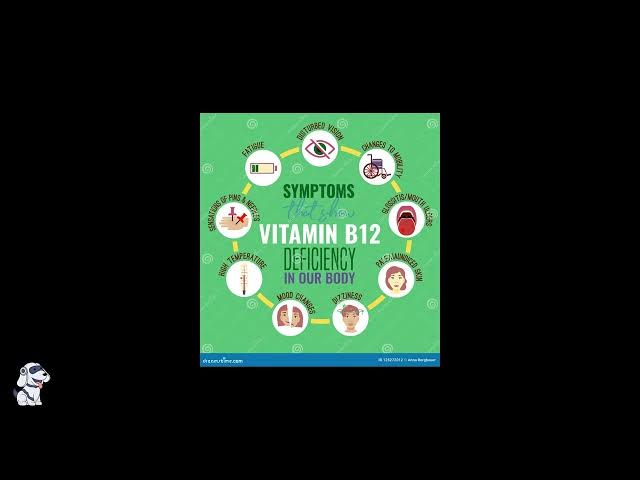
develop. B12 deficiency affects multiple
12:37
body systems. It can cause fatigue,
12:40
neurological problems like pins and
12:42
needles sensations, mood changes, vision
12:45
problems, and anemia with pale skin.
12:47
These symptoms occur because B12 is
12:49
essential for nerve function, DNA
12:51
synthesis, and red blood cell
12:53
production. To summarize how fascilisky
12:57
causes disease, first, the worms
12:59
physically damage the intestinal lining.
13:01
Second, they compete for vitamin B12 and
13:04
impair its absorption. Third, B12
13:06
deficiency leads to serious neurological
13:09
and bloodrelated problems. Understanding
13:11
these disease mechanisms helps explain
13:14
why prompt treatment is so important for
13:16
patients with fascilopsiosis.
13:18
Fascalopsiasis symptoms range from mild
13:21
digestive issues to severe
13:23
life-threatening complications. The
13:25
severity depends on the number of
13:27
parasites and how long the infection has
13:29
persisted. Most patients with fascialsis
13:32
experience mild symptoms initially. The
13:35
two most common early signs are diarrhea
13:38
and abdominal pain caused by the adult
13:40
flukes attaching to and irritating the
13:42
intestinal wall. However, when
13:45
infections become heavy with many
13:46
parasites, patients can develop serious
13:49
complications that affect multiple organ
13:51
systems. The first severe complication
13:54
is intestinal obstruction. When hundreds
13:57
of large adult flukes accumulate in the
13:59
small intestine, they can physically
14:01
block the passage of food and waste,
14:04
creating a medical emergency. Anemia
14:07
develops as the parasites damage
14:09
intestinal blood vessels, causing
14:11
chronic bleeding. Patients become weak
14:13
and tired as their red blood cell count
14:16
drops.
14:17
Acides occurs when protein malabsorption
14:20
and liver dysfunction cause fluid to
14:22
accumulate in the abdominal cavity. This
14:25
creates visible swelling and discomfort
14:27
in the belly area. Generalized edema is
14:31
swelling throughout the body caused by
14:33
low protein levels in the blood.
14:35
Patients develop puffy faces, swollen
14:38
legs, and fluid retention that can be
14:40
life-threatening.
14:42
Understanding these symptoms is crucial
14:43
for early recognition and treatment.
14:46
While mild symptoms like diarrhea and
14:48
abdominal pain are manageable, severe
14:50
complications like intestinal
14:52
obstruction, anemia, acites, and
14:54
generalized edema require immediate
14:57
medical attention. When a patient
14:59
presents with possible fascilopsiosis,
15:01
the diagnostic process begins with a
15:03
thorough clinical history. This is the
15:05
foundation of accurate diagnosis,
15:08
helping doctors identify key risk
15:09
factors and narrow down the
15:11
possibilities.
15:13
Doctors follow a systematic approach
15:15
when taking clinical history for
15:17
suspected fascilopsiosis.
15:20
There are four key areas they focus on
15:22
to gather essential diagnostic
15:24
information. First, doctors ask about
15:26
travel history. Fascilopsiasis is
15:29
endemic to specific regions in Asia,
15:31
including China, India, Bangladesh, and
15:33
Southeast Asian countries. Recent travel
15:36
to these areas significantly increases
15:38
suspicion. The geographic distribution
15:41
is crucial information. Patients who
15:44
have lived in or traveled to these
15:46
endemic regions within recent months
15:48
have significantly higher risk of
15:50
infection. The second critical question
15:53
involves dietary history. Doctors
15:55
specifically ask about consumption of
15:57
raw or undercooked aquatic plants. This
16:00
is the primary transmission route for
16:02
fascelopsyasis. As shown in this
16:04
assessment, aquatic plants are the
16:07
greatest risk factor. Doctors ask
16:09
specifically about water chestnuts,
16:11
lotus roots, water calrop, and water
16:14
bamboo. All common sources of infection.
16:17
Doctors also assess the patients
16:19
symptoms and their duration.
16:21
Fascilopsiasis typically causes
16:23
gastrointestinal symptoms that persist
16:25
for weeks to months, helping distinguish
16:27
it from acute infections.
16:30
Clinical history helps narrow down the
16:32
diagnostic possibilities significantly.
16:35
When a patient has the right combination
16:37
of risk factors and symptoms,
16:39
fascilopsiasis moves from a remote
16:41
possibility to a primary consideration.
16:44
Clinical history assessment is crucial
16:46
for diagnosing fascalopsiasis.
16:49
By systematically asking about travel
16:51
history, dietary habits and symptoms,
16:54
doctors can identify high-risisk
16:55
patients and guide appropriate
16:57
diagnostic testing. This targeted
16:59
approach improves diagnostic accuracy
17:02
and ensures timely treatment. Stool
17:04
examination is the primary and most
17:06
reliable method for diagnosing
17:07
fascilopsiasis.
17:09
This straightforward laboratory
17:11
procedure involves analyzing a patient's
17:13
stool sample under a microscope to
17:15
identify the characteristic eggs of
17:17
fascilopsis busky.
17:20
The diagnostic process begins with
17:22
collecting a fresh stool sample from the
17:24
patient. This sample is then prepared
17:26
for microscopic examination using
17:28
standard laboratory techniques
17:31
under the microscope. Laboratory
17:33
technicians carefully examine the stool
17:35
sample at high magnification.
17:38
They search for the distinctive
17:39
oval-shaped eggs of fascilopsis busky,
17:42
which have characteristic features that
17:45
distinguish them from other parasites.
17:48
Fascilopsis busky eggs have several
17:50
distinctive characteristics that help
17:52
laboratory technicians identify them.
17:55
They are large measuring 130 to 140
17:58
micrometers with an oval shape and in a
18:01
percolum or lid-like structure. The eggs
18:04
contain granular material and appear
18:06
yellow brown in color under the
18:08
microscope.
18:09
Stool examination is highly effective
18:12
for diagnosing fascalopsis
18:14
because it directly detects the parasite
18:16
eggs with high specificity. This method
18:19
is cost-effective, widely available in
18:21
most laboratories, completely
18:23
non-invasive for the patient, and
18:25
provides a definitive diagnosis when
18:27
eggs are found.
18:29
In summary, stool examination remains
18:32
the gold standard for diagnosing
18:34
fascilsis.
18:36
The laboratory identification of
18:38
characteristic fascilopsis busky eggs
18:40
provides definitive confirmation of
18:42
infection and guides health care
18:44
providers in making appropriate
18:46
treatment decisions for their patients.
18:48
While stool examination remains the
18:50
primary diagnostic method for
18:52
fascilopsiasis.
18:54
Additional testing approaches can
18:55
provide valuable information in complex
18:58
or unclear cases. Cerological testing
19:01
detects antibodies that the immune
19:03
system produces in response to
19:05
fascilopsis busky infection. These tests
19:08
are particularly valuable when stool
19:10
examination results are inconclusive.
19:12
The key advantage of cerological testing
19:15
is that it can detect infection even
19:17
when parasites are not actively shedding
19:19
eggs, making it a valuable complent to
19:22
traditional stool examination.
19:24
Imaging
19:26
techniques provide visual evidence of
19:28
intestinal damage and can help assess
19:30
the severity of infection. Ultrasound
19:32
offers non-invasive visualization of
19:34
intestinal wall changes.
19:37
CT scanning provides detailed
19:39
cross-sectional images that can identify
19:41
complications such as intestinal
19:43
obstruction or perforation. Endoscopy
19:46
allows direct visualization of the
19:48
intestinal lumen and can sometimes
19:50
identify adult worms attached to the
19:52
intestinal wall.
19:54
These additional testing methods are
19:56
particularly valuable in complex cases
19:58
where multiple stool samples have been
20:00
negative or when patients have
20:02
persistent symptoms despite treatment.
20:05
They are also useful when the diagnosis
20:07
is unclear, especially in cases where
20:10
symptoms are similar to other intestinal
20:12
conditions or in imunocmpromised
20:14
patients where standard testing may be
20:16
less reliable.
20:18
The key takeaway is that while stool
20:20
examination remains the primary
20:22
diagnostic method, cerological testing
20:25
and imaging techniques provide valuable
20:27
additional information that can enhance
20:30
diagnostic accuracy in challenging
20:32
cases.
20:34
When someone is diagnosed with
20:35
fascialopsis,
20:37
the primary and most effective treatment
20:39
is a medication called praza.
20:42
This drug has revolutionized the
20:44
treatment of fluke infections and is
20:46
considered the gold standard for
20:47
fascalopsiais.
20:49
Proza is available under the brand name
20:51
built and comes in 600 mgram tablets.
20:55
This medication has been extensively
20:57
tested and proven highly effective
20:59
against fascilopsis busky and other
21:02
tremode infections.
21:04
Here's how prozza works in the
21:06
intestine. The adult flukes attach to
21:08
the intestinal wall using their suckers.
21:11
When Prozaquentel enters the system, it
21:14
specifically targets these parasites.
21:16
The medication causes the flukes to lose
21:18
their grip on the intestinal wall by
21:20
paralyzing their muscle systems.
21:23
This makes them unable to maintain their
21:25
attachment and they are then eliminated
21:27
from the body through normal bowel
21:29
movements.
21:31
The dosing of praza depends on the
21:33
severity of the infection. For mild
21:35
infections, a single dose of 25 mg per
21:38
kilogram of body weight is usually
21:40
sufficient. For more severe infections,
21:42
two doses may be given, typically 4 to 6
21:45
hours apart.
21:47
Przaantel has proven to be remarkably
21:50
effective with cure rates between 95 and
21:53
100%. The medication is generally well
21:56
tolerated with minimal side effects
21:59
making it the preferred treatment for
22:00
fascopsis worldwide. While praaquantel
22:04
is the first line treatment for
22:05
fascialopsyasis, there are situations
22:08
where alternative medications may be
22:10
necessary. These alternatives include
22:12
hexylorsol and tetrachlorylene,
22:15
though they are less commonly used
22:17
today.
22:19
Hexel resourcenol was one of the earlier
22:21
medications used to treat intestinal
22:23
flukes. This compound has antiseptic and
22:26
antholmentic properties, but it's less
22:28
effective than prazaquantel and can
22:31
cause significant gastrointestinal side
22:33
effects, including nausea and abdominal
22:35
pain.
22:37
Tetrachlorine is a chlorinated
22:39
hydrocarbon that was historically used
22:41
to treat various parasitic infections.
22:43
However, it has significant safety
22:45
concerns, including potential liver
22:48
toxicity and central nervous system
22:50
effects, which is why it's rarely used
22:52
today.
22:54
This comparison shows why prosequentel
22:57
remains the preferred treatment. It has
22:59
the highest efficacy rate with minimal
23:01
side effects while the alternative
23:03
medications have lower success rates and
23:05
more concerning adverse effects.
23:09
Alternative medications might be
23:11
considered in specific situations. When
23:13
praaquantel is unavailable, if a patient
23:16
has an allergy to praza in rare cases of
23:19
drug resistance or when economic factors
23:22
limit access to the preferred treatment.
23:25
The key takeaway is that while
23:27
alternative medications like hexal
23:29
resourcenol and tetrachlorylene exist,
23:32
praziquantel remains the gold standard
23:34
treatment for fascalopsiasis.
23:37
These alternatives should only be
23:38
considered when prazaquantel is not
23:40
available or suitable for the patient.
23:43
While antiparasitic medications like
23:45
prazaquantel kill the fascelopsis busky
23:47
parasite, symptomatic management is
23:50
equally crucial for patient recovery.
23:52
This involves addressing the various
23:54
symptoms and complications caused by the
23:56
infection.
23:58
Fascopsiasis causes several symptoms
24:00
that require specific management
24:02
approaches. The main symptoms include
24:04
diarrhea, dehydration, abdominal pain,
24:07
and malnutrition. Each of these requires
24:09
targeted treatment strategies.
24:13
Rehydration is critical because diarrhea
24:15
from fascialsis can lead to severe fluid
24:18
loss. Health care providers must
24:20
recognize dehydration symptoms early and
24:23
provide appropriate fluid replacement.
24:25
Oral rehydration solution is the first
24:28
line treatment for mild to moderate
24:29
dehydration.
24:32
Abdominal pain is common in
24:33
fascilopsiasis and requires careful
24:35
management. Acetaminophen is preferred
24:37
for mild pain relief. NSADs should be
24:40
avoided in dehydrated patients as they
24:42
can worsen kidney function.
24:44
Antispasmotic medications can help with
24:46
intestinal cramping.
24:49
Fascilopsiais often causes malabsorption
24:52
leading to nutritional deficiencies.
24:54
Patients commonly develop vitamin B12
24:56
deficiency, iron deficiency anemia, and
24:59
protein energy malnutrition. Nutritional
25:01
support includes vitamin
25:03
supplementation, iron therapy, and
25:05
ensuring adequate protein intake through
25:07
oral or ententral roots.
25:11
Remember, successful treatment of
25:12
fascilsis requires both killing the
25:15
parasite and managing its effects on the
25:17
body. Symptomatic management through
25:20
rehydration, pain control, and
25:22
nutritional support is essential for
25:24
complete patient recovery and preventing
25:26
long-term complications.
25:28
Good hygiene practices are one of the
25:31
most effective and accessible ways to
25:33
prevent fascilopsiasis.
25:35
These simple daily habits can
25:37
significantly reduce your risk of
25:39
infection with fascelopsis buski. Hand
25:42
washing is the cornerstone of
25:43
hygiene-based prevention. The process
25:46
involves several critical steps that
25:48
must be followed carefully to be
25:50
effective against parasites like
25:51
fascilopsis busky.
25:55
Timing is crucial for effective hand
25:57
hygiene. There are specific moments when
26:00
hand washing becomes especially
26:01
important for preventing fascilopsiasis
26:04
particularly around food handling and
26:06
after potential exposure to contaminated
26:08
sources.
26:12
Hygiene practices work by breaking the
26:15
transmission chain of fascilopsis busky.
26:18
The parasite must travel from
26:19
contaminated sources to your digestive
26:21
system and proper handwashing creates a
26:24
crucial barrier in this pathway.
26:28
While handwashing is fundamental,
26:30
comprehensive hygiene involves several
26:32
additional practices. These
26:34
complimentary habits work together to
26:36
create multiple barriers against
26:37
fascialsis infection. Remember
26:42
these key points about hygiene-based
26:44
prevention of fascalopsiasis.
26:47
These simple practices when performed
26:49
consistently provide powerful protection
26:51
against infection and are accessible to
26:54
everyone regardless of their
26:55
circumstances.
26:59
Water source management is a critical
27:00
component in preventing fascalopsis
27:03
busky infections. By ensuring clean,
27:06
safe water sources, we can prevent the
27:08
contamination of aquatic plants that
27:10
serve as intermediate hosts for this
27:12
parasite. Water sources can become
27:15
contaminated through various pathways.
27:18
Industrial waste, agricultural
27:20
chemicals, human sewage, and other
27:22
pollutants can introduce parasite eggs
27:24
and create conditions favorable for
27:26
intermediate host snails to thrive.
27:30
Proper water treatment involves multiple
27:32
steps that effectively remove
27:34
contaminants and eliminate parasite
27:36
eggs. This multibarrier approach ensures
27:39
that treated water is safe for drinking
27:42
and irrigation purposes. Modern water
27:45
treatment facilities use comprehensive
27:47
multi-stage processes to ensure water
27:50
safety. These facilities not only remove
27:53
physical and chemical contaminants, but
27:55
also eliminate biological threats,
27:57
including parasite eggs that could lead
27:59
to fascilopsis busky infections.
28:02
Effective water source management
28:04
requires a comprehensive approach. This
28:07
includes protecting waterheds from
28:09
contamination, implementing advanced
28:11
treatment technologies, conducting
28:13
regular quality monitoring, and
28:15
enforcing strict pollution control
28:17
regulations.
28:20
Water source management is fundamental
28:22
to preventing fascilopsis busky
28:24
infections. By ensuring clean water
28:27
through comprehensive treatment and
28:29
protection strategies, we eliminate the
28:31
conditions that allow this parasite to
28:33
complete its life cycle and infect
28:35
humans. Public health education serves
28:38
as the cornerstone of fascialsis
28:40
prevention. By educating communities
28:43
about the risks and proper prevention
28:45
methods, we can achieve significant
28:47
reductions in infection rates. Effective
28:50
public health education focuses on four
28:52
critical messages. First, communities
28:55
must understand the dangers of consuming
28:57
raw aquatic plants like water chestnuts
28:59
and lotus roots. Second, proper cooking
29:02
methods that eliminate parasites. Third,
29:05
the importance of using clean water for
29:07
food preparation. And fourth,
29:09
maintaining good personal hygiene
29:11
practices. Proper food preparation is
29:14
essential for preventing infection. This
29:16
includes thoroughly washing all
29:18
vegetables under clean running water,
29:21
removing visible contamination, and most
29:23
importantly, cooking aquatic plants at
29:26
high temperatures to kill any parasites
29:28
that may be present.
29:30
Hand hygiene education is crucial for
29:33
breaking the transmission cycle.
29:35
Communities must learn when and how to
29:37
wash their hands properly. Before
29:39
eating, after using the toilet, after
29:42
handling aquatic plants, and always
29:44
using soap with clean water. Successful
29:47
community education requires multiple
29:49
strategies working together. School
29:52
programs reach children and their
29:53
families. Media campaigns use radio,
29:56
television, and posters to spread
29:58
awareness. Healthare workers receive
30:01
training to educate patients. and
30:03
community leaders help reinforce
30:05
important messages throughout the
30:07
population. Research demonstrates the
30:09
powerful impact of public health
30:11
education. Communities with
30:13
comprehensive education programs show up
30:15
to 60% reduction in fascalopsiasis
30:18
infection rates. Additionally, 80% of
30:22
people in educated communities adopt
30:24
improved food safety practices, creating
30:27
lasting protection against infection.
30:30
Public health education is a powerful
30:32
tool for preventing fascopsis.
30:35
When communities understand the risks
30:37
and learn proper prevention methods,
30:39
infection rates drop dramatically. The
30:41
key is using multiple educational
30:43
channels and engaging local leaders to
30:46
create lasting behavioral change that
30:48
protects entire communities. Community
30:51
involvement is absolutely crucial for
30:53
sustainable prevention of fascialopsis
30:55
buski. When local communities actively
30:58
participate in prevention efforts, we
31:00
see much more effective and long-asting
31:02
results than top-down approaches alone.
31:06
Community health education forms the
31:07
foundation of prevention efforts. Local
31:10
health workers and community leaders can
31:12
organize workshops to teach residents
31:14
about facialopsis busky risks, how the
31:17
parasite spreads, and early symptom
31:19
recognition.
31:21
Communities can establish food safety
31:24
programs that specifically address
31:26
fascilopsis busky prevention. This
31:29
includes promoting proper cooking of
31:30
aquatic plants, educating about
31:33
contamination risks, and creating local
31:35
guidelines for safe food preparation.
31:38
Community-driven sanitation initiatives
31:41
are essential for breaking the parasites
31:43
life cycle. Communities can organize to
31:46
improve water source management, conduct
31:48
regular cleanup efforts, and build
31:51
proper waste disposal systems that
31:53
prevent contamination.
31:55
Community involvement creates a
31:57
foundation for long-term success in
31:59
preventing fascilopsis busky. When
32:02
communities take ownership of prevention
32:04
efforts through education, food safety
32:06
practices, and sanitation improvements,
32:09
they create sustainable protection that
32:11
continues even without external support.
32:14
Recent studies have revealed significant
32:16
changes in the geographic distribution
32:18
of fascelopsis busky across different
32:20
regions. These changes highlight the
32:23
dynamic nature of parasitic diseases and
32:26
the importance of continuous
32:27
surveillance.
32:29
In Taiwan, surveillance data shows a
32:31
encouraging decrease in fascilopsis
32:34
busky prevalence. This reduction likely
32:36
reflects improved sanitation
32:38
infrastructure and public health
32:39
education efforts in the region.
32:42
However, the situation in India presents
32:44
a different picture. Reports from 2020
32:47
indicate an increase in fascilopsis
32:49
busky infections particularly in regions
32:52
with poor sanitation and high
32:54
consumption of raw aquatic plants.
32:57
Similarly, Bangladesh has experienced
32:59
rising infection rates. The shared
33:01
border regions between India and
33:03
Bangladesh highlighted on this map
33:06
represent areas of particular concern
33:08
for disease transmission. These
33:10
contrasting trends demonstrate the
33:12
complex factors that influence parasite
33:14
distribution, including socioeconomic
33:17
conditions, environmental changes, and
33:19
public health interventions. The key
33:21
takeaway is that the geographic
33:23
distribution of fascelopsis busky is
33:25
highly dynamic. Continuous monitoring
33:28
and surveillance are essential to track
33:30
these changes and develop targeted
33:32
intervention strategies for affected
33:34
regions.
33:36
Understanding these geographic shifts
33:38
helps public health officials allocate
33:40
resources effectively and implement
33:42
prevention programs where they are
33:44
needed most. This datadriven approach is
33:47
crucial for controlling the spread of
33:49
fascilopsyasis.
33:51
In 2024, medical researchers made a
33:54
significant discovery in Nepal. For the
33:57
first time, autotoinous transmission of
33:59
fasciopsiasis was confirmed in this
34:01
Himalayan nation.
34:04
Autotoxinous transmission means the
34:06
infection was acquired locally within
34:08
Nepal, not brought in by travelers from
34:10
other countries.
34:12
This is different from imported cases
34:14
where someone gets infected while
34:16
traveling and then returns home.
34:20
The confirmation came through stool
34:21
examination where researchers identified
34:24
fascalopsis busky eggs in local
34:27
patients. This microscopic evidence
34:29
proved that the parasite was completing
34:31
its life cycle within Nepal's borders.
34:34
This discovery represents an expansion
34:36
of the parasite's known geographic
34:38
range. Previously, fascilopsis busky was
34:41
primarily found in China, India, and
34:44
other parts of Southeast Asia. Nepal's
34:46
confirmation adds a new country to the
34:48
list of endemic areas.
34:51
This discovery underscores the critical
34:53
importance of surveillance in new areas.
34:56
Active monitoring allows for early
34:58
detection of emerging parasitic
35:00
diseases, which is essential for
35:02
implementing timely prevention and
35:04
control measures.
35:06
The key takeaway is that Nepal's 2024
35:09
confirmation of autotoxinous
35:10
fascalopsiasis transmission represents a
35:14
significant expansion of the parasites
35:16
geographic range. This discovery
35:18
highlights the ongoing need for
35:20
surveillance in previously unaffected
35:22
regions to detect emerging parasitic
35:24
diseases. The future of fascalopsiasis
35:27
control depends on integrated approaches
35:30
that bring together multiple strategies
35:32
working in harmony rather than relying
35:35
on single interventions. Successful
35:37
control requires coordinated efforts
35:39
across research, treatment, and
35:41
community engagement.
35:43
This integrated approach rests on three
35:45
fundamental pillars. First, continued
35:48
research and surveillance to monitor
35:50
disease patterns, track drug resistance,
35:52
and develop new interventions.
35:55
Second, improve treatment and prevention
35:57
strategies. And third, meaningful
36:00
community engagement to ensure
36:01
sustainable control efforts.
36:04
Research and innovation form the
36:06
foundation of future control efforts.
36:09
Scientists are actively monitoring drug
36:11
resistance patterns, developing new
36:13
diagnostic tools that can detect
36:15
infections more quickly and accurately,
36:18
and exploring vaccine development
36:20
possibilities. Genetic diversity studies
36:22
help us understand how the parasite
36:24
adapts and spreads. Enhanced
36:27
surveillance systems will create a
36:29
global network for monitoring
36:30
fascilopsiasis.
36:32
This includes real-time data sharing
36:34
between endemic regions, early detection
36:36
of outbreaks and tracking of treatment
36:38
effectiveness.
36:40
Such systems help identify emerging
36:42
hotspots and guide resource allocation.
36:46
Community centered approaches recognize
36:48
that lasting control requires local
36:50
ownership and participation. This
36:52
includes culturally appropriate health
36:54
education programs, training community
36:57
health workers, and developing
36:59
sustainable prevention programs that
37:01
communities can maintain independently.
37:04
Success depends on understanding local
37:06
practices and building trust.
37:09
Several key challenges must be addressed
37:11
for successful control. Drug resistance
37:14
requires development of new treatment
37:16
options and combination therapies.
37:19
Under reporting needs better diagnostic
37:21
access and healthcare infrastructure.
37:24
Limited resources call for integrated
37:26
programs that combine fascilopsiasis
37:28
control with other health initiatives to
37:30
maximize efficiency.
37:33
The future of fascilopsiasis control is
37:35
promising but requires sustained
37:37
commitment. Success depends on
37:40
integrated approaches that combine
37:42
cutting edge research with community-
37:43
centered prevention programs.
37:46
Enhanced surveillance systems will
37:48
enable early detection and rapid
37:50
response. Most importantly, empowering
37:53
communities to take ownership of
37:54
prevention efforts ensures long-term
37:57
sustainability. With continued
37:59
dedication and innovation, we can
38:01
significantly reduce the burden of this
38:03
neglected tropical disease.
#Infectious Diseases
#Public Health