Up next in 10

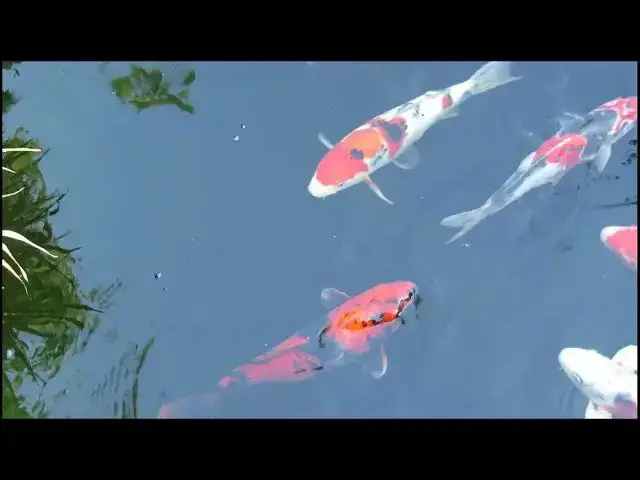
Learn about the best diet for breeding koi fish. This video covers essential nutrients, feeding schedules, and food varieties to enhance koi health, coloration, and reproductive success. Discover how to balance proteins, vitamins, and minerals for optimal breeding results.
Show More Show Less View Video Transcript
0:00
optimal diet for breeding koi nutrition
0:03
tips for Success the secret to
0:05
successful koi breeding lies in their
0:07
diet proper nutrition is crucial for the
0:10
health coloration and reproductive
0:12
success of these beautiful ornamental
0:14
fish in this video we will explore the
0:17
optimal diet for breeding Coe fish
0:19
ensuring your aquatic Beauties are in
0:22
Prime condition for reproduction
0:23
breeding koi require a well-balanced
0:25
diet rich in proteins vitamins and
0:29
minerals these these nutrients are
0:30
essential for egg and sperm production
0:33
as well as overall health a protein
0:35
content of 30 to 35% is ideal for
0:38
breeding koi with a fat content of
0:41
around 10% essential amino acids
0:44
particularly lysine and methionine play
0:46
a vital role in growth and reproduction
0:48
when it comes to feeding breeding koi a
0:51
variety of high quality foods should be
0:54
offered commercial koi pellets
0:56
formulated specifically for breeding are
0:58
an excellent base these pellets are
1:00
designed to meet the nutritional needs
1:02
of breeding Koy and often contain added
1:05
vitamins and minerals supplement their
1:08
diet with fresh foods such as earthworms
1:10
silkworm pukai and bloodworms to provide
1:13
additional protein and stimulate
1:15
breeding Behavior vegetables are also an
1:18
important part of a breeding Ko's diet
1:21
offer leafy greens like spinach and
1:24
lettuce as well as blanched vegetables
1:26
such as peas and squash these provide
1:28
essential fiber and additional vitamins
1:31
some koi breeders also incorporate
1:33
fruits like oranges and watermelon as
1:35
occasional treats which can boost the
1:37
immune system and provide natural color
1:40
enhancers feeding schedule for breeding
1:42
COI is crucial during the warmer months
1:44
when breeding typically occurs feed your
1:46
koi 3 to four times a day offer only as
1:49
much food as they can consume within 5
1:51
minutes to prevent overfeeding and water
1:53
pollution as the breeding season
1:55
approaches gradually increase the amount
1:57
of food to help the females develop egg
2:00
and males produce milk special
2:01
considerations should be made during the
2:04
breeding season 2 to 3 weeks before the
2:06
expected spawning increase the protein
2:09
content of the diet to around 40% this
2:12
can be achieved by offering more protein
2:14
rich foods like grind shrimp or high
2:16
protein koi pellets additionally
2:19
incorporating color enhancing foods can
2:23
help intensify the vibrant colors of
2:25
your breeding KO making them more
2:28
attractive to potential m while focusing
2:30
on optimal nutrition it is important to
2:33
avoid common mistakes overfeeding is a
2:35
frequent error that can lead to poor
2:37
water quality and health issues always
2:40
monitor your coise appetite and adjust
2:42
feeding accordingly another mistake is
2:45
relying solely on dry pellets while
2:47
these are nutritious a vared diet is key
2:50
to meeting all nutritional needs and
2:52
encouraging natural foraging behaviors
2:55
providing the optimal diet for breeding
2:57
koi is a balancing act that requires
2:59
attention attention to detail and
3:01
understanding of their nutritional needs
3:03
by offering a diverse nutrient-rich diet
3:06
and following proper feeding practices
3:09
you can significantly enhance the health
3:11
coloration and breeding success of your
3:14
koi remember uh wellfed koi is a happy
3:18
koi and happy koi are more likely to
3:22
produce healthy vibrant offspring
#Food
#Meat & Seafood
#Nutrition
#Fish & Aquaria
#Fish & Aquaria