Up next in 10


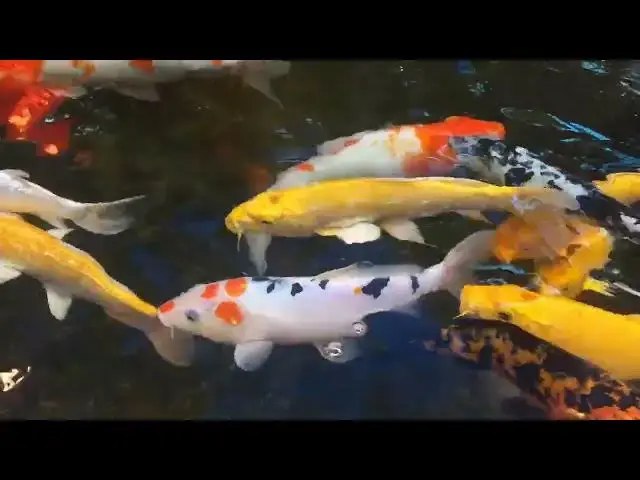
Learn about lymphocystis, a viral infection affecting koi fish. This video covers how to spot the disease, manage its symptoms, and protect your koi. Discover practical tips for maintaining fish health and creating an optimal environment for recovery.
Show More Show Less View Video Transcript
0:00
lymphocysts in koi fish identification
0:03
treatment and prevention lymphocystis
0:05
disease is a viral infection that can
0:07
affect coy fish causing unsightly
0:10
growths on their skin and fins while
0:12
it's rarely fatal it can significantly
0:15
impact the appearance and quality of
0:17
life of these beloved ornamental fish in
0:19
this video we'll explore how to identify
0:23
treat and prevent lymphocystis in koi
0:26
identifying lymphocystis is the first
0:28
step in treatment the disease man as
0:30
small white or grayish cauliflower like
0:34
growths on the fish's body fins and
0:37
sometimes gills these growths can vary
0:39
in size from barely noticeable to
0:41
several centimeters in diameter affected
0:43
coate may also show signs of stress such
0:46
as reduced appetite or lethargy LP ayus
0:49
is caused by a virus from the iridoid
0:52
family it spreads through direct contact
0:56
between infected and healthy fish or
0:58
through contaminated water
1:00
stress factors like poor water quality
1:02
overcrowding or sudden temperature
1:04
changes can make coin more susceptible
1:06
to the disease when it comes to
1:08
treatment it's important to note that
1:09
there is no specific cure for the virus
1:13
itself however there are several steps
1:15
you can take to help your Coy recover
1:17
first focus on improving the fish's
1:19
environment ensure optimal water quality
1:22
by performing regular water changes and
1:24
maintaining proper filtration reduce
1:26
stress by avoiding overcrowding and
1:28
maintaining stable water water
1:30
temperatures in some cases medication
1:32
may be helpful antibiotic treatments can
1:34
prevent secondary bacterial infections
1:36
that might occur due to the damaged skin
1:39
however always consult with a
1:41
veterinarian specializing in fish health
1:43
before administering any medication for
1:46
larger growths that significantly impair
1:48
the fish's movement or feeding surgical
1:51
removal might be considered this should
1:52
only be performed by a qualified
1:54
veterinarian as improper handling can
1:57
lead to further complications it's worth
1:59
noting that in many cases lymphocystis
2:02
will resolve on its own overtime
2:05
typically within weeks to months as long
2:07
as the fish's immune system is supported
2:09
through good care practices prevention
2:11
is key in managing lymp ayus maintain
2:14
excellent water quality in your Koi pond
2:17
avoid overcrowding and quarantine new
2:20
fish before introducing them to your
2:22
existing population regular health
2:24
checks can help catch the disease early
2:26
making treatment more effective lyas may
2:29
look alarm but with proper care and
2:31
management affected koi can recover and
2:33
continue to thrive by understanding the
2:35
disease providing a healthy environment
2:38
and taking Swift action when symptoms
2:40
appear you can help ensure the long-term
2:42
health and beauty of your koi fish
#Veterinarians
#Fish & Aquaria
#Fish & Aquaria
#Aquaculture