Up next in 10


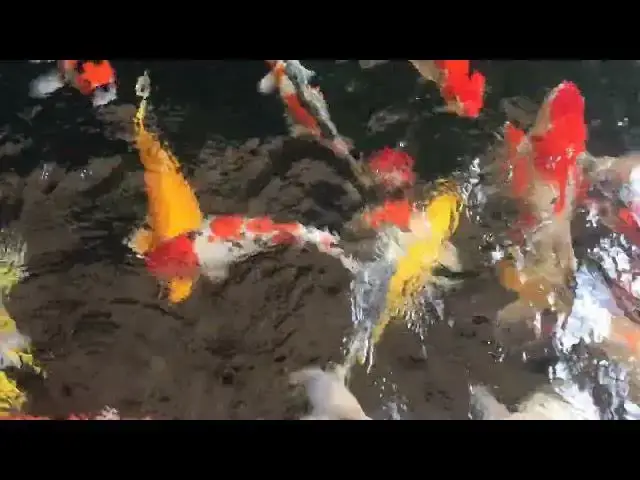
Learn why water stability is crucial for Koi fish health and how to maintain optimal conditions in your pond. Discover key parameters like pH, temperature, and nitrogen cycle components, and get practical tips for creating a thriving environment for your Koi.
Show More Show Less View Video Transcript
0:00
Koi pond water stability essential for
0:02
healthy fish koi fish with their vibrant
0:05
colors and graceful movements are living
0:08
jewels in any Pond but the key to their
0:10
health and beauty Lies Beneath the
0:12
surface in the stability of their watery
0:14
home today we're exploring the crucial
0:17
importance of water stability in koi
0:19
fish ponds water stability refers to the
0:22
consistent maintenance of optimal water
0:24
conditions in a koi pond it's about
0:26
creating a balanced aquatic environment
0:29
where these magn bicent fish can Thrive
0:31
stable water conditions are essential
0:33
for the health growth and longevity of
0:36
koi let's dive into the key parameters
0:38
that contribute to water stability first
0:41
there's e which measures the acidity or
0:45
alkalinity of the Water Co prefer a
0:48
slightly alkaline environment with a AI
0:51
between 7.4 and 8.4 sudden changes in PH
0:55
can stress the fish and make them more
0:57
susceptible to disease temperature is
0:59
another critical Factor koi are cold
1:02
blooded creatures meaning their body
1:05
temperature matches that of their
1:06
surroundings rapid temperature
1:08
fluctuations can shock their systems and
1:11
weaken their immune responses ideally Co
1:14
Pond temperatures should change
1:16
gradually with the seasons next we have
1:19
the nitrogen cycle components ammonia
1:22
nitrate and nitrate levels ammonia
1:25
produced by fish waste and decaying
1:27
organic matter is highly tox toxic to
1:30
Koy in a stable Pond beneficial bacteria
1:33
convert ammonia to nitrite which is also
1:35
harmful but less so than ammonia these
1:37
bacteria then further convert nitrate to
1:39
nitrate which is the least toxic form
1:42
and can be used by plants in the pond
1:44
unstable water conditions can have
1:45
severe consequences for Co fluctuations
1:48
in PH can damage their sensitive gills
1:50
and skin sudden temperature changes can
1:53
lead to Thermal shock causing stress and
1:56
potentially death high levels of ammonia
1:58
or nitrite can cause gild damage affect
2:01
the fish's ability to absorb oxygen and
2:03
even lead to fatal poisoning moreover
2:06
unstable water creates a stressful
2:08
environment that weakens the Ko's immune
2:10
system making them more susceptible to
2:12
parasites bacterial infections and other
2:15
diseases this can result in reduced
2:17
growth rates color fading and shorten
2:20
lifespans so how can you maintain water
2:23
stability in your start with
2:25
regular water testing use reliable test
2:28
kits to monitor e
2:30
ammonia nitrite and nitrate levels at
2:33
least weekly this allows you to catch
2:35
any issues early and make necessary
2:37
adjustments invest in a good filtration
2:40
system mechanical filters remove debris
2:43
while biological filters house the
2:46
beneficial bacteria that process harmful
2:49
compounds ensure your filter is
2:52
appropriately sized for your pond volume
2:54
and fish population perform partial
2:56
water changes regularly typically 10 to
2:59
15 % of the pond volume weekly this
3:02
helps dilute any accumulated pollutants
3:04
and replenishes essential minerals be
3:07
mindful of feeding overfeeding leads to
3:10
excess waste which can quickly
3:12
destabilize water conditions feed your
3:14
koi only with they can consume in a few
3:16
minutes two to three times a day during
3:19
warm months and reduce or stop feeding
3:21
in colder temperatures when their
3:23
metabolism slows consider adding aquatic
3:26
plants to your pond they not only
3:28
provide a natural aesthetically pleasing
3:30
environment but also help absorb excess
3:33
nutrients and provide oxygen lastly
3:36
avoid introducing sudden changes to the
3:38
pond when adding new water ensure it's
3:40
dechlorinated and close to the Pond's
3:42
temperature if you need to make
3:44
significant changes do so gradually to
3:47
allow your koi to adjust maintaining
3:49
stable water conditions in your Koi pond
3:51
is not just about preventing problems
3:53
it's about creating an environment where
3:55
your fish can flourish with stable water
3:58
you'll see your koi develop by colors
4:00
grow to their full potential and display
4:03
the energetic behavior that makes them
4:05
such captivating pets remember the
4:08
effort you put into maintaining water
4:11
stability is an investment in the Health
4:13
and Longevity of your coai by providing
4:16
them with a stable healthy environment
4:18
you're ensuring that these living Jewels
4:20
will continue to bring Beauty and
4:21
Tranquility to your pond for years to
4:24
come
#Fish & Aquaria
#Fish & Aquaria