Up next in 10

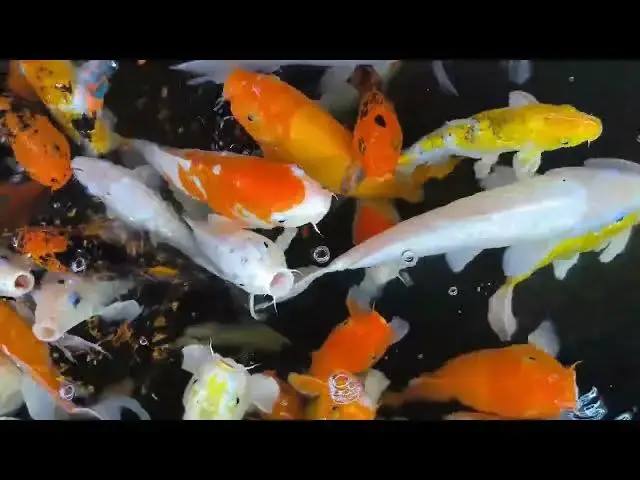
Learn how to maintain optimal water quality in Koi ponds with multiple fish species. This video covers essential steps for balancing the ecosystem, monitoring key parameters, and implementing effective maintenance practices to ensure a healthy aquatic environment for your diverse fish community.
Show More Show Less View Video Transcript
0:00
coap pond water quality managing
0:02
multispecies environments maintaining
0:05
pristine water quality is crucial for
0:07
the health and vitality of koe and other
0:10
fish species in your pond when multiple
0:12
species coexist the challenge becomes
0:14
even greater this video will guide you
0:17
through the essential steps to
0:20
effectively manage water quality in koi
0:22
ponds housing various fish species
0:25
multi-species ponds present unique
0:28
challenges different fish have very
0:30
needs and produce waste at different
0:31
rates koi for instance are known for
0:34
their size and the amount of waste they
0:36
generate balancing the ecosystem becomes
0:39
more complex as you introduce additional
0:41
species each with its own requirements
0:44
and impact on the water to maintain
0:46
optimal conditions you need to monitor
0:49
several key water quality parameters the
0:52
pay level should typically be between
0:55
7.2 and 8.2 for most pond fish ammonia
0:59
and nutrite levels must be kept at zero
1:02
as they are highly toxic to fish nitrate
1:05
levels should be below 50 parts per
1:07
million dissolved oxygen is critical and
1:10
should be maintained above six parts per
1:14
million for koi and other species to
1:16
thrive a robust filtration system is the
1:19
backbone of good water quality
1:21
management for multispecies ponds a
1:24
combination of mechanical and biological
1:26
filtration is essential mechanical
1:29
filters remove remov solid waste and
1:31
debris while biological filters provide
1:33
a home for beneficial bacteria that
1:36
break down harmful compounds
1:38
understanding the nitrogen cycle is
1:40
crucial for maintaining water quality
1:42
beneficial bacteria convert toxic
1:45
ammonia from fish waste into nitrate and
1:47
then into less harmful nitrate this
1:50
process is ongoing and requires a stable
1:52
environment to function effectively
1:54
regular maintenance is key to keeping
1:56
your pond healthy perform partial water
1:59
changes of 10 to 20% weekly remove
2:03
debris such as fallen leaves promptly
2:05
clean your filters as needed but be
2:08
careful not to remove all the beneficial
2:10
bacteria feeding practices significantly
2:13
impact water quality overfeeding leads
2:15
to excess waste and can quickly
2:17
deteriorate water conditions feed your
2:20
fish only what they can consume in a few
2:22
minutes and adjust quantities based on
2:25
water temperature and fish activity
2:26
levels consistent water testing is non
2:29
negotiable for multispecies ponds invest
2:32
in a reliable test kit and check your
2:34
water parameters at least weekly more
2:37
frequent testing may be necessary during
2:39
times of stress or when introducing new
2:41
fish despite best efforts water quality
2:43
issues can arise if you notice elevated
2:46
ammonia or nitrite levels perform
2:48
immediate water changes and temporarily
2:50
reduce feeding for low oxygen levels
2:53
increase Iration with additional pumps
2:55
or waterfalls if Peach fluctuates use
2:58
appropriate buffer to stabilize it
3:01
gradually managing water quality in a
3:03
koi pond with multiple species is an
3:05
ongoing process that requires attention
3:08
and Care by maintaining proper
3:10
filtration understanding the nitrogen
3:12
cycle practicing regular maintenance and
3:15
staying Vigilant with testing you can
3:18
create a thriving aquatic environment
3:20
for your koi and other fish species to
3:23
coexist harmoniously remember a healthy
3:26
Pond is a beautiful Pond showcasing the
3:29
vibrant color and graceful movements of
3:31
your diverse fish community
#Fish & Aquaria
#Fish & Aquaria
#Water Filters & Purifiers