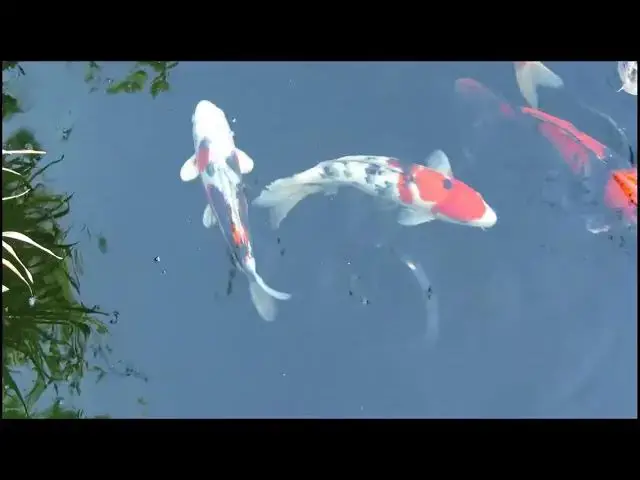
Up next in 10

Learn how to maintain excellent water quality in your Koi pond using minimal filtration. This video covers essential strategies including proper pond design, population control, feeding practices, natural filtration methods, and regular maintenance techniques to create a healthy environment for your Koi fish.
Show More Show Less View Video Transcript
0:00
water quality effective management
0:03
with minimal filtration maintaining
0:05
pristine water quality is crucial for
0:07
the health and vitality of ko fish but
0:10
what if you want to achieve this with
0:11
minimal filtration this video will guide
0:14
you through effective strategies to
0:15
manage water quality in your Koi pond
0:17
while keeping filtration to a minimum
0:19
koi are sensitive to their environment
0:21
and poor water quality can lead to
0:23
stress disease and even death the
0:26
challenge lies in maintaining optimal
0:29
conditions without without relying
0:30
heavily on complex filtration systems by
0:33
understanding the key factors that
0:35
influence water quality and implementing
0:38
smart management techniques you can
0:40
create a thriving ecosystem for your koi
0:43
several factors affect water quality and
0:46
Coons these include the amount of waste
0:48
produced by fish uneaten food decaying
0:51
plant matter and an environmental
0:53
pollutant additionally temperature
0:56
oxygen levels and the nitrogen cycle
0:58
play crucial role goals in maintaining a
1:01
healthy aquatic environment let's
1:03
explore strategies to manage water
1:05
quality effectively first consider
1:08
proper Pond design uh welld designed
1:11
Pond should have adequate depth
1:14
typically at least 3 fet to provide
1:16
stable water temperatures and ample
1:18
space for KOA incorporate plants
1:21
strategically to absorb excess nutrients
1:24
and provide natural filtration water
1:27
lies Lotus and submerged plants like
1:30
corn work can significantly improve
1:32
water quality next control your fish
1:34
population overstocking is a common
1:36
mistake that leads to poor water quality
1:38
as a general rule allow at least 100
1:42
gallons of water per adult koi this
1:44
ensures enough space and reduces the
1:46
bolod on your pond feeding practices
1:48
greatly impact water quality overfeeding
1:51
leads to excess waste and uneaten food
1:55
which degrade water conditions feed your
1:57
koi only what they can consume in five
2:00
minutes 2 to three times a day during
2:01
warm months in colder temperatures
2:04
reduce feeding frequency or stop Al
2:07
together when water temperatures drop
2:09
below 50° F Embrace natural filtration
2:13
methods to complement your minimal
2:15
mechanical filtration create a separate
2:18
area in your pond system for beneficial
2:20
bacteria to thrive this can be achieved
2:23
through a graveled bed or by using
2:25
biomedia in a small filter these
2:27
bacteria are essential for breaking down
2:30
harmful ammonia and nitrites and regular
2:33
water testing is crucial for maintaining
2:35
optimal conditions test for ammonia
2:38
nitrate nitrate and pH levels weekly
2:41
ammonia and nitrate should always be at
2:44
zero while nitrate levels should be kept
2:46
below 40 parts per million maintain a
2:49
stable PE between 7.2 and 7.6 for koyal
2:54
perform partial water changes regularly
2:57
typically 10 to 15% weekly or for 20 to
3:00
30% monthly this helps remove
3:03
accumulated pollutants and replenish
3:05
essential minerals when adding new water
3:08
always use a dechlorinator to neutralize
3:10
harmful chlorine and chloramines
3:12
consider adding airstones or a small
3:14
waterfall to increase oxygen levels in
3:16
your pond this not only benefits the Koy
3:19
but also supports beneficial bacteria
3:21
that Aid in natural filtration processes
3:24
lastly maintaining a clean Pond Bottom
3:27
by removing debris regularly a pond
3:30
vacuum can be useful for this task
3:32
helping to prevent the buildup of
3:34
organic matter that can degrade water
3:36
quality by implementing these strategies
3:39
you can successfully manage water
3:40
quality in your Koi pond with minimal
3:42
filtration remember the key lies in
3:45
creating a balanced ecosystem where the
3:48
Ponds natural processes work in harmony
3:51
with your management efforts with
3:52
patience and consistent care you can
3:54
enjoy a beautiful healthy Koi pond that
3:57
thrives with minimal techn olical
4:00
intervention
#Fish & Aquaria
#Fish & Aquaria