Up next in 10


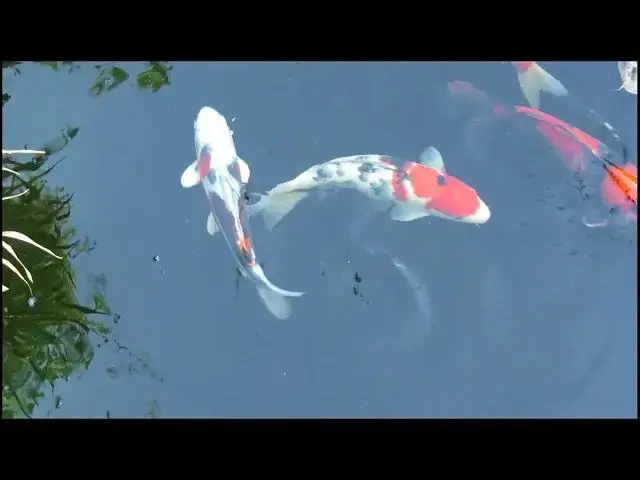
Learn about the importance of water hardness in koi ponds. This video covers ideal ranges, effects on fish health, testing methods, and how to adjust hardness levels for a thriving pond ecosystem.
Show More Show Less View Video Transcript
0:00
kipon water hardness essential for fish
0:03
health water hardness plays a crucial
0:06
role in maintaining a healthy ecosystem
0:08
for koi fish ponds understanding and
0:11
managing this often overlooked aspect of
0:13
water chemistry can make the difference
0:15
between a thriving Pond and one played
0:18
with problems water hardness refers to
0:20
the concentration of dissolved minerals
0:23
primarily calcium and magnesium in the
0:26
water these minerals enter the water as
0:29
it flows through deposits of limestone
0:32
chalk or gypsum the hardness of water is
0:35
typically measured in parts per million
0:37
or milligram per liter for Koons the
0:40
ideal water hardness range Falls between
0:42
100 and 200 parts per million this range
0:45
provides the right balance of minerals
0:47
for both the koi and the overall pond
0:50
ecosystem however many factors can
0:53
influence water hardness including the
0:55
source of your water evaporation and
0:58
materials used in your pond construction
1:01
the effects of water hardness on koi
1:03
Health are significant in water that is
1:05
too soft koi May struggle to maintain
1:08
proper osmotic balance leading to stress
1:10
and increased susceptibility to disease
1:13
soft water can also make it difficult
1:15
for koi to build strong bones and scales
1:17
on the other hand excessively hard water
1:19
can cause mineral buildup on the gills
1:22
interfering with respiration and
1:23
potentially leading to health issues
1:25
water hardness also impacts the broader
1:28
pond ecosystem it affects the Fe each
1:31
stability of the water which is crucial
1:34
for beneficial bacteria and plants hard
1:36
water tends to have a higher buffering
1:38
capacity meaning it resists rapid
1:41
changes in PH this stability is
1:43
beneficial for the overall health of the
1:46
pond ecosystem additionally water
1:49
hardness influences the effectiveness of
1:51
certain Pond treatments and medications
1:54
some chemicals may be less effective or
1:56
even harmful in water that is too hard
1:58
or too soft understand in your Pond's
2:00
water hardness is therefore crucial when
2:03
addressing any health or water quality
2:05
issues testing water hardness is
2:07
relatively simple and can be done using
2:09
commercially available test kits these
2:11
kits typically use color changing strips
2:14
or liquid reagents to indicate the
2:16
hardness level regular testing ideally
2:19
on a weekly or bi-weekly basis is
2:21
recommended to catch any changes early
2:23
if you find that your Pond's water
2:25
hardness is outside the ideal range
2:27
there are several methods to adjust it
2:29
to increase hardness you can add calcium
2:32
carbonate in the form of crushed Coral
2:34
or Limestone for reducing hardness using
2:37
reverse osmosis filtered water or
2:39
rainwater during water changes can help
2:42
however any changes should be made
2:44
gradually to avoid shocking the koi or
2:46
disrupting the Pond's balance in
2:48
conclusion water hardness is a vital
2:51
component of koi pond Health that
2:53
affects everything from the fish
2:56
themselves to the broader ecosystem by
2:59
understanding Reg Ely testing and
3:01
properly managing water hardness you can
3:03
create an optimal environment for your
3:06
koi to thrive remember a balanced
3:08
approach to water chemistry is key to
3:11
maintaining a beautiful and healthy koi
3:13
pond
#Pets
#Fish & Aquaria
#Fish & Aquaria