Up next in 10


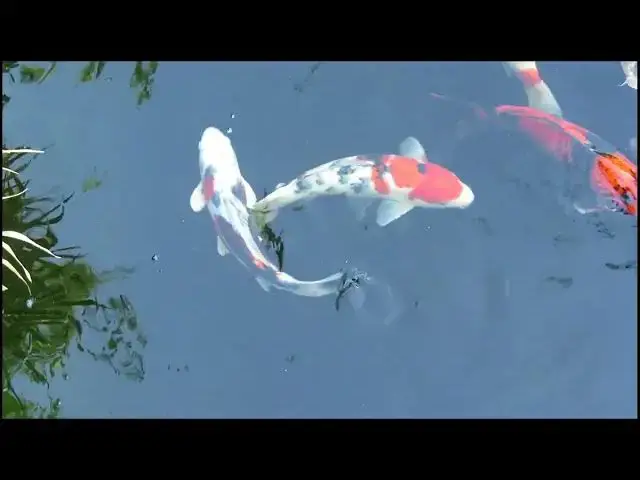
Learn how to clean existing biofilm and prevent its growth in your Koi pond. This video covers identification of biofilm problems, effective cleaning methods, and strategies for maintaining a healthy pond environment. Discover tips on proper filtration, water chemistry balance, feeding practices, and regular maintenance to keep your Koi healthy and your pond pristine.
Show More Show Less View Video Transcript
0:00
KO pond maintenance cleaning and
0:02
preventing biofilm bofilm can be a
0:04
significant problem for KO Pond owners
0:07
affecting both the health of your fish
0:09
and the overall appearance of your pond
0:11
this video will guide you through the
0:12
process of cleaning existing bofilm and
0:15
implementing effective prevention
0:17
strategies to keep your Koi pond healthy
0:20
and pristine biofilm is a slimy sticky
0:23
layer of microorganisms that adheres to
0:25
surfaces and Aquatic environments in COI
0:28
Pond it typically forms on the walls
0:31
rocks and other submerged surfaces while
0:34
some biofilm is natural excessive growth
0:37
can lead to poor water quality reduced
0:39
oxygen levels and potential health
0:41
issues for your koi several factors
0:44
contribute to bofilm formation in Ko
0:47
ponds these include excess nutrients
0:49
from overfeeding or decaying organic
0:52
matter inadequate filtration poor water
0:55
circulation and imbalanced water
0:57
chemistry high water temperatures and
0:59
exposure to sunlight can also accelerate
1:01
bofilm growth to identify if your pond
1:05
has a bofilm problem look for slimy or
1:08
slippery surfaces underwater you might
1:11
notice a greenish or brownish film on
1:13
the pond walls rocks or decorations in
1:16
severe cases you may see stringy or
1:19
cloud like substances floating in the
1:22
water or observe your koi rubbing
1:24
against surfaces to remove the biofilm
1:27
from their bodies when it comes to
1:29
cleaning existing bofilm there are
1:32
several effective methods first drain
1:34
the pond partially to expose the
1:37
affected areas use a soft brush or
1:40
sponge to gently scrub the surfaces
1:43
being careful not to damage the pond
1:45
liner for stubborn bofilm you can use a
1:47
mixture of water and white vinegar or a
1:50
commercial Pond cleaner specifically
1:52
designed for bofilm removal always
1:55
follow the manufacturer's instructions
1:57
when using cleaning products after
1:59
scrubbing use a pond vacuum or net to
2:02
remove the loosened bofilm and debris
2:05
rinse the clean surfaces thoroughly with
2:07
fresh water before refilling the pond
2:09
it's important to note that you should
2:11
never use harsh chemicals or bleach as
2:14
these can harm your Coy and disrupt the
2:17
Pond's ecological balance preventing
2:19
bofilm formation is crucial for
2:21
long-term Pond Health start by ensuring
2:24
proper filtration and water circulation
2:26
install a highquality filter system
2:29
appropriate for your Pond size and fish
2:31
load add air stones or waterfalls to
2:34
increase oxygen levels and improve water
2:36
movement which discourages bofilm growth
2:39
maintain balanced water chemistry by
2:42
regularly testing and adjusting each
2:44
ammonia nitrate and nitrate levels aim
2:47
for a p8 between 7.2 and 7.6 and keep
2:53
ammonia and nitrite levels at zero use
2:56
beneficial bacteria products to help
2:58
break down organic waste and compete
3:00
with bofilm forming microorganisms
3:03
proper feeding practices are essential
3:05
in preventing excess nutrients feed your
3:08
KO only what they can consume in about 5
3:11
minutes and remove any uneaten food
3:13
promptly consider using high quality low
3:16
waste koi food to minimize nutrient
3:19
buildup in the water regular pond
3:22
maintenance is key to preventing bofilm
3:24
perform partial water changes of about
3:27
10 to 15% weekly or bi-weekly depending
3:31
on your Pond's needs remove fallen
3:33
leaves dead plants and other organic
3:36
debris promptly trim aquatic plants
3:38
regularly to prevent overgrowth and
3:41
decay in areas with high sun exposure
3:44
consider adding shade to your pond using
3:46
floating plants or installing shade cils
3:48
this can help reduce water temperature
3:50
and limit algae growth which often
3:52
contributes to bofilm formation lastly
3:55
consider using UV sterilizers to control
3:57
algae and harmful microorganisms while
4:00
these sterilizers don't directly remove
4:02
bofilm they can help maintain better
4:04
water quality indirectly reducing the
4:07
conditions that promote bofilm growth by
4:10
implementing these cleaning and
4:11
prevention strategies you can
4:13
effectively manage bofilm in your Koi
4:15
pond remember a clean and
4:17
well-maintained pond not only looks
4:19
better but also provides a healthier
4:21
environment for your koi to thrive
4:24
regular monitoring proper maintenance
4:26
and prompt action when issues arise will
4:29
ensure sure your Koi pond remains a
4:31
beautiful and healthy ecosystem for
4:34
years to come
#Fish & Aquaria
#Aquaculture