Up next in 10


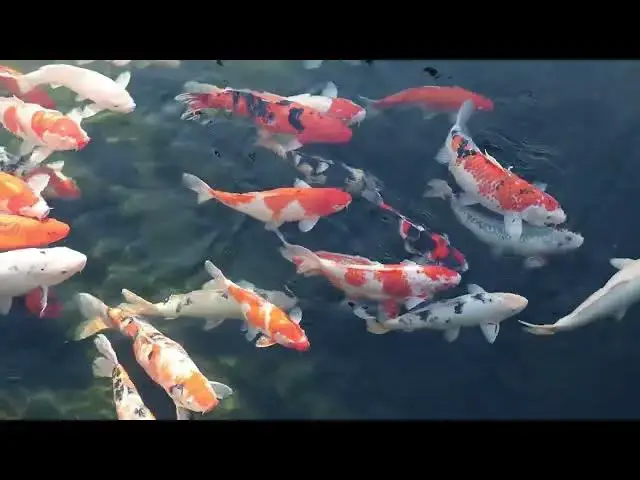
Learn how to control phosphate levels in your Koi pond to maintain a healthy environment for your fish. This video covers ideal phosphate ranges, testing methods, and effective strategies to reduce high levels, ensuring clear water and thriving Koi.
Show More Show Less View Video Transcript
0:00
Koi pond care managing phosphate levels
0:02
for healthy fish maintaining a healthy
0:05
Koi pond requires careful attention to
0:07
water quality and one crucial aspect is
0:10
controlling phosphate levels High
0:12
phosphate concentrations can lead to a
0:14
host of problems for your COI so
0:17
understanding how to manage these levels
0:19
is essential for any Pond owner
0:21
phosphates are compounds containing
0:23
phosphorus a nutrient that occurs
0:25
naturally in aquatic environments in Ko
0:28
ponds phos F Ates can come from various
0:31
sources including fish waste decaying
0:33
plant matter uneaten fish food and even
0:36
tap water while some phosphates are
0:38
necessary for plant growth excessive
0:41
levels can upset the delicate balance of
0:43
your pond ecosystem for koi ponds the
0:46
ideal phosphate level should be below
0:49
0.5 parts per million anything above
0:52
this threshold can potentially cause
0:54
issues for your fish and the overall
0:56
Pond environment regular testing is
0:58
crucial to ensure your phosphate levels
1:01
remain within this safe range when
1:02
phosphate levels become too high they
1:04
can trigger a range of problems
1:06
excessive phosphate often lead to algae
1:09
blooms which can deplete oxygen levels
1:11
in the water and create an unsightly
1:13
green appearance these conditions stress
1:16
your koi potentially compromising their
1:18
health and vibrant colors moreover High
1:21
phosphate levels can contribute to poor
1:23
water Clarity and may even lead to fish
1:25
loss if left unchecked to monitor
1:27
phosphate levels effectively use a
1:30
reliable phosphate test kit designed for
1:32
pond water these kits are readily
1:34
available at most aquarium or Pond
1:36
Supply stores follow the instructions
1:38
carefully and test your pond water at
1:40
least once a month or more frequently if
1:43
you notice any changes in water quality
1:45
or fish Behavior if you find that your
1:47
phosphate levels are too high there are
1:49
several strategies you can employ to
1:51
bring them back under control first
1:53
perform a partial water change replacing
1:56
about 20 to 30% of the pond water with
2:00
fresh dechlorinated water this helps
2:02
dilute the phosphate concentration next
2:05
consider using a phosphate remover which
2:07
are chemical products specifically
2:09
designed to bind and remove excess
2:11
phosphates from the water another
2:13
effective method is to introduce more
2:16
plants to your pond aquatic plants
2:18
naturally absorb phosphates as part of
2:20
their growth process helping to reduce
2:23
overall levels water lies Lotus and
2:26
submerged plants like horn wart are
2:29
excellent choices for this purpose
2:31
additionally ensure your pond has
2:34
adequate filtration a good biological
2:36
filter can help break down organic
2:38
matter before it decomposes and releases
2:40
more phosphates into the water to
2:42
prevent phosphate levels from rising in
2:44
the first place Implement some
2:46
preventive measures feed your koi only
2:49
what they can consume within a few
2:50
minutes removing any uneaten food
2:53
promptly regularly remove dead leaves
2:55
and other organic debris from the pond
2:57
surface consider installing a bottom
2:59
drain or using a pond vacuum to remove
3:02
settled waste if you're adding new water
3:04
to your pond use a phosphate removing
3:07
filter on your tap water or opt for
3:09
reverse osmosis water to minimize
3:11
introducing additional phosphates
3:13
controlling phosphate levels in your Coy
3:15
Pond is an ongoing process that requires
3:17
vigilance and regular maintenance by
3:19
understanding the sources of phosphates
3:21
testing frequently and implementing both
3:23
reactive and preventive measures you can
3:26
maintain optimal water quality for your
3:28
koi remember uh well-balanced Pond not
3:31
only keeps your fish healthy but also
3:33
enhances the beauty of your aquatic
3:35
garden with proper phosphate management
3:37
you'll be rewarded with clear water and
3:39
happy vibrant koi for years to come
#Fish & Aquaria