Up next in 10


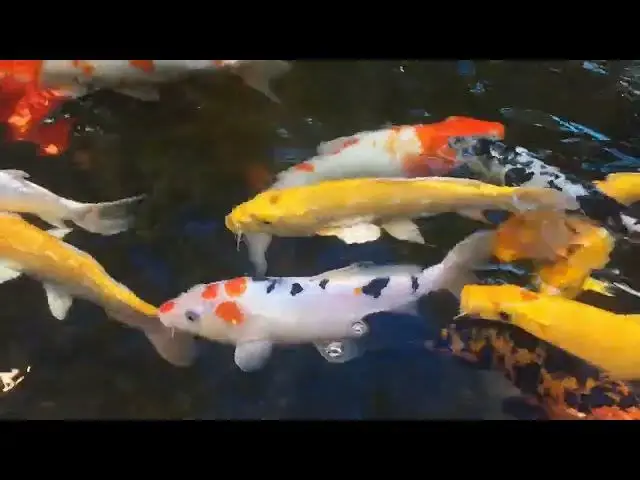
Learn how to control nitrite levels in your Koi pond to ensure the health and well-being of your fish. This video covers the importance of nitrite management, causes of high levels, and practical steps to maintain a balanced pond ecosystem.
Show More Show Less View Video Transcript
0:00
Koi pond care managing nitrite levels
0:03
for healthy fish maintaining a healthy
0:05
environment for koi fish is crucial for
0:08
their well-being and one of the most
0:09
important aspects of pond management is
0:11
controlling nitrite levels High nitrite
0:14
concentrations can be deadly for koi
0:16
making it essential for pond owners to
0:18
understand and manage this water
0:20
parameter effectively nitrites are a
0:22
form of nitrogen compound that occur
0:24
naturally in the Aquatic environment
0:25
they are produced as part of the
0:27
nitrogen cycle when beneficial BAC of
0:30
breakdown ammonia which comes from fish
0:32
waste and decaying organic matter while
0:35
nitrites are less toxic than ammonia
0:37
they can still cause serious health
0:39
issues for koi at elevated levels when
0:41
nitrite levels are too high koi can
0:44
suffer from a condition called
0:45
methemoglobinemia or brown blood disease
0:48
this occurs when nitrites bind to the
0:51
fish's blood cells reducing their
0:53
ability to carry oxygen as a result koi
0:56
May exhibit signs of stress gasping at
0:58
the surface or developing ground gills
1:01
in severe cases High nitrite levels can
1:04
lead to fish death several factors can
1:06
contribute to elevated nitrite levels in
1:08
koi ponds overfeeding overstocking or
1:12
filtration and inadequate beneficial
1:15
bacteria populations are common culprits
1:18
additionally sudden changes in water
1:20
temperature or AG can disrupt the
1:22
nitrogen cycle leading to nitrite spikes
1:25
to effectively manage nitrite levels
1:28
regular testing is essential use a
1:30
reliable water test kit specifically
1:33
designed for pond use these kits
1:35
typically use liquid reagents or test
1:37
stps to measure nitrate concentrations
1:39
aim to test your pond water at least
1:42
once a week or more frequently if you
1:44
suspect any issues now let's explore the
1:48
steps you can take to control and reduce
1:50
nitrite levels in your coyon first and
1:53
foremost Ure your pond has an adequate
1:55
filtration system
1:58
uh well designed filter should include
2:02
mechanical biological and chemical
2:05
filtration components the biological
2:07
filter in particular plays a crucial
2:10
role in converting harmful nitrites into
2:14
less toxic nitrates regular water
2:16
changes are another effective method for
2:19
reducing nitrite levels aim to replace
2:22
10 to 15% of pond water weekly this
2:24
helps dilute nitrite concentrations and
2:27
replenishes essential minerals when
2:29
performing water changes be sure to use
2:32
a dechlorinator to neutralize any
2:34
chlorine or chloramine in the tap water
2:36
as these can harm beneficial bacteria
2:39
speaking of beneficial bacteria these
2:41
microscopic helpers are your allies in
2:43
the fight against High nitrites
2:45
encourage a thriving bacterial Colony by
2:49
adding commercial bacterial supplements
2:51
to your pond these products contain live
2:54
nitrify bacteria that help accelerate
2:56
the nitrogen cycle and break down
2:58
nitrites more efficiently reducing the
3:00
amount of waste and uneaten food in your
3:02
pond is crucial for nitrate control feed
3:04
your koi only if they can consume within
3:07
a few minutes and remove any leftover
3:09
food promptly additionally regularly
3:12
remove debris such as fallen leaves or
3:14
dead plant matter from the pond to
3:16
prevent excess organic material from
3:18
decomposing and contributing to the
3:20
nitrite problem incorporating plants
3:23
into your koipond can also help manage
3:25
nitrite levels the quiet plants absorb
3:27
nitrogen compounds as part of their
3:29
growth process effectively acting as
3:31
natural filters water lies water hin and
3:35
Horn work are excellent choices for
3:37
kiars however be mindful of maintaining
3:39
a balance as excessive plant growth can
3:42
lead to other water quality issues algae
3:45
control is another important aspect of
3:47
nitrite management while some algae can
3:49
help absorb excess nutrients an algae
3:52
bloom can contribute to core water
3:54
quality and elevated nitrite levels when
3:56
the algae die off use algae control
3:59
methods such as ultraviolet sterilizers
4:02
or barley straw extracts to keep algae
4:04
growth in check to prevent future
4:06
nitrite spikes maintain consistent Pond
4:09
care routines avoid overfeeding perform
4:13
regular water tests and changes and keep
4:16
your filtration system well maintained
4:19
monitor the number of fish in your pond
4:21
to prevent overstocking which can strain
4:24
the biological filtration capacity in
4:26
conclusion controlling nitrite levels in
4:28
Coons requires a multifaceted approach
4:31
regular testing proper filtration water
4:35
changes and the cultivation of
4:37
beneficial bacteria are key strategies
4:40
by reducing waste incorporating plants
4:42
and maintaining overall Pond Health you
4:44
can create a thriving environment for
4:46
your koi remember a balanced ecosystem
4:49
is the foundation of a healthy Koi pond
4:53
and managing nitrite levels is an
4:56
essential part of achieving that balance
#Pets
#Fish & Aquaria
#Fish & Aquaria