Up next in 10


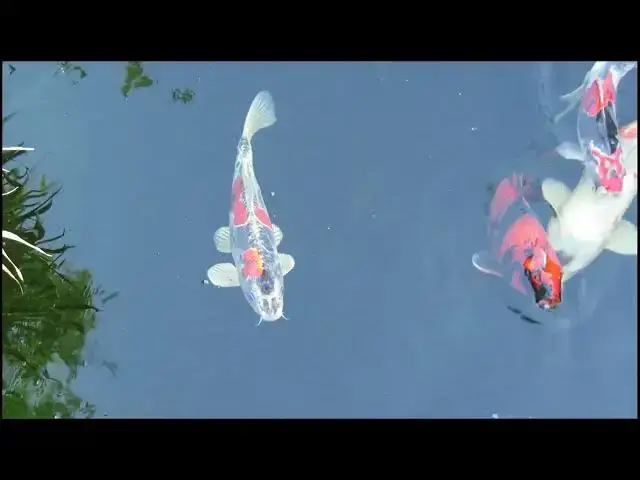
Learn effective strategies to control high alkalinity in koi ponds. This video covers the impact of alkalinity on fish health, methods to lower alkalinity, and tips for maintaining overall water quality. Discover how to create an optimal environment for your koi to thrive and display their vibrant colors.
Show More Show Less View Video Transcript
0:00
Koi pond care managing High alkalinity
0:02
for healthy fish koi fish are living
0:05
jewels in your pond but their beauty can
0:07
quickly fade if the water quality isn't
0:10
properly managed one crucial aspect of
0:13
water quality that often challenges Coe
0:15
Keepers is high alkalinity in this video
0:19
we'll explore how to effectively manage
0:21
water quality in koi ponds with high
0:23
alkalinity ensuring your fish remain
0:26
healthy and vibrant alkalinity refers to
0:28
the water's ability to nut neutralized
0:30
acids it's primarily influenced by the
0:32
presence of carbonates bicarbonates and
0:35
hydroxides while some alkalinity is
0:37
necessary for a stable Pond environment
0:40
high levels can cause problems for your
0:42
koi High alkalinity in koi ponds can
0:44
lead to several issues it can cause
0:47
Peach levels to rise and become unstable
0:50
potentially stressing or harming your
0:53
fish it may also interfere with the
0:55
nitrogen cycle affecting the Pond's
0:57
ability to process waste additional
1:00
High alkalinity can make it difficult
1:02
for koi to absorb essential nutrients
1:05
from the water to manage High alkalinity
1:07
there are several effective methods you
1:09
can employ one approach is to perform
1:11
partial water changes with water that
1:14
has lower alkalinity this dilutes the
1:16
overall alkalinity in the pond another
1:19
method is to add natural acids like
1:21
tanic acid from Indian almond leaves or
1:23
Peak Moss these slowly release acids
1:26
into the water helping to lower
1:28
alkalinity over time for more immediate
1:30
results you can use commercial producers
1:33
or alkalinity decreasers however it's
1:35
crucial to follow the instructions
1:37
carefully and make changes gradually to
1:39
avoid shocking your COA adding carbon
1:42
dioxide to the water can also help lower
1:44
alkalinity but this method requires
1:46
careful monitoring and specialized
1:48
equipment regular testing is essential
1:50
when managing alkalinity use a reliable
1:53
test kit to check alkalinity levels at
1:56
least once a week aim for an alkalinity
1:59
range between 120 and 180 parts per
2:03
million for optimal KOA Health keep a
2:06
log of your readings to track changes
2:08
over time and adjust your management
2:10
strategies accordingly while focusing on
2:12
alkalinity don't neglect other aspects
2:15
of water quality maintain proper
2:17
filtration to remove waste and excess
2:19
nutrients ensure adequate airation to
2:22
support beneficial bacteria and provide
2:24
oxygen for your koi control algae growth
2:27
through a combination of proper
2:29
nutrition filtration and potentially UV
2:32
sterilization remember that water
2:34
quality parameters are interconnected as
2:37
you manage alkalinity also monitor F
2:40
ammonia nitrite and nitrate levels a
2:43
balanced approach to water quality
2:45
management will create the best
2:47
environment for your koi in conclusion
2:50
managing water quality in koi ponds with
2:53
high alkalinity requires a combination
2:56
of regular testing appropriate
2:59
intervention and a holistic approach to
3:02
Pond Care by understanding the impact of
3:04
alkalinity and implementing effective
3:06
management strategies you can maintain a
3:09
healthy thriving environment for your
3:12
koi with patience and consistent care
3:15
you'll be rewarded with the sight of
3:17
your koi swimming happily in Crystal
3:20
Clear Water their colors shining
3:22
brightly in your well managed pond
#Pets
#Fish & Aquaria
#Fish & Aquaria