Up next in 10

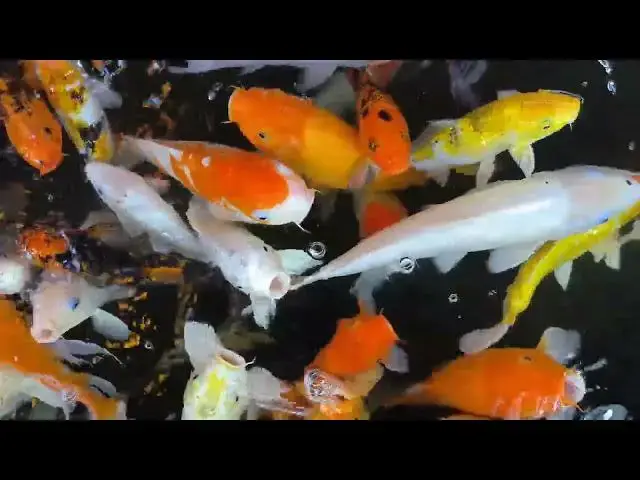
Learn about the essential nitrogen cycle in koi ponds. This video explains how beneficial bacteria convert harmful waste into safer compounds, and offers practical tips for maintaining a healthy environment for your koi fish.
Show More Show Less View Video Transcript
0:00
koipond Basics understanding the
0:02
nitrogen cycle the health and vitality
0:04
of your koi fish depend on a crucial
0:06
biological process happening right
0:08
beneath the surface of your pond this
0:10
process is known as the nitrogen cycle
0:13
and understanding it is key to
0:15
maintaining a thriving koi habitat the
0:18
nitrogen cycle is a natural ongoing
0:21
process where harmful waste products are
0:23
converted into less toxic substances in
0:26
koi Pon this cycle is essential for
0:29
breaking down fish waste and uneaten
0:31
food which would otherwise accumulate
0:34
and create a toxic environment for your
0:36
prized koi let's break down the stages
0:38
of the nitrogen cycle to better
0:40
understand how it works in your Koon
0:42
cycle begins with the production of
0:44
ammonia KO fish excrete ammonia through
0:48
their gills and in their waste leftover
0:50
food and decaying plant matter also
0:52
contribute to ammonia build up ammonia
0:54
is highly toxic to fish even in small
0:57
amounts which is why the next stages of
1:00
the cycle are so important in the second
1:02
stage beneficial bacteria known as
1:04
nitrosomonas convert ammonia into
1:07
nitrite while nitrite is less harmful
1:09
than ammonia it's still toxic to fish
1:11
and must be further processed this leads
1:14
us to the third stage of the cycle here
1:16
another type of beneficial bacteria
1:18
called nitrobacter converts nitrate into
1:21
nitrate nitrate is far less toxic to
1:23
coate than either ammonia or nitrite and
1:26
it can be tolerated in much higher
1:28
concentrations however it's still
1:30
important to keep nitrate levels in
1:31
check through regular water changes and
1:34
proper pond maintenance the role of
1:36
beneficial bacteria in this process
1:38
cannot be overstated these microscopic
1:40
helpers colonize your ponds filter media
1:43
gravel and other surfaces forming a
1:46
biological filter that continuously
1:48
processes harmful waste without these
1:51
bacteria the nitrogen cycle would break
1:53
down leading to dangerous water
1:55
conditions for your koi to maintain a
1:57
healthy nitrogen cycle in your Koi pond
1:59
there are several steps you can take
2:01
first ensure your pond has adequate
2:03
filtration to house the beneficial
2:05
bacteria avoid over cleaning your
2:07
filters as this can remove the good
2:09
bacteria along with the waste when
2:11
adding new fish to your pond do so
2:14
gradually to allow the bacterial
2:16
population to adjust to the increased
2:18
bad regular feeding practices are also
2:20
crucial overfeeding leads to excess
2:23
waste which can overwhelm the nitrogen
2:25
cycle feed your koi only what they can
2:27
consume in a few minutes and remove any
2:29
e food promptly plant life in and around
2:32
your pond can also help maintain the
2:34
nitrogen cycle by absorbing nitrates and
2:37
other nutrients from the water consider
2:39
incorporating aquatic plants into your
2:42
pond design for both aesthetic and
2:44
functional benefits lastly it's
2:46
essential to regularly test your pond
2:49
water for ammonia nitrate and nitrate
2:51
levels this will help you catch any
2:53
imbalances early and take corrective
2:55
action before your koise health is
2:57
compromised invest in a reliable water
2:59
testing kit and make testing a part of
3:02
your routine pond maintenance
3:04
understanding and maintaining the
3:05
nitrogen cycle is fundamental to
3:08
successful koi keeping by providing the
3:10
right conditions for this natural
3:11
process to occur you ensure a safe
3:14
healthy environment for your COI to
3:16
thrive remember a balanced nitrogen
3:18
cycle is the foundation of a beautiful
3:21
and vibrant coai pond
#Fish & Aquaria