Up next in 10


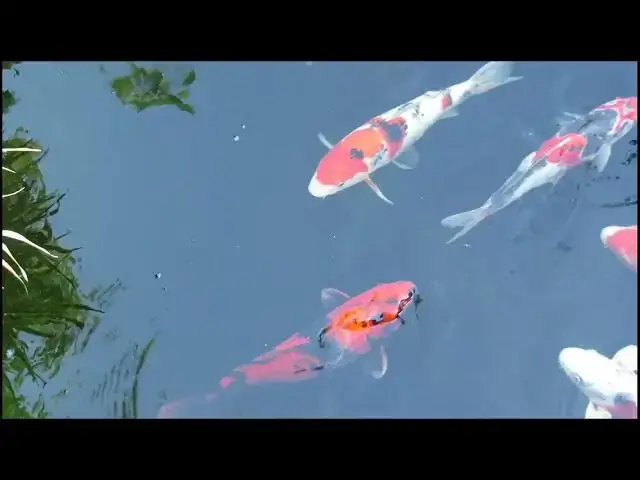
Learn how to adjust your koi fish feeding routine as winter approaches. This video covers the right diet, feeding frequency, and when to stop feeding to ensure your koi stay healthy during cold months. We also touch on other important winter preparation steps for your pond.
Show More Show Less View Video Transcript
0:00
koi fish winter prep feeding tips for
0:03
cold weather preparing your koi fish for
0:05
winter is crucial for their health and
0:07
survival during the cold months one of
0:09
the most important aspects of this
0:11
preparation is adjusting their feeding
0:13
routine in this video we will explore
0:15
how to properly feed your koi fish to
0:18
ensure they are ready for the challenges
0:19
of winter as Autumn approaches and
0:21
temperatures begin to drop the
0:23
metabolism of koi fish slows down this
0:26
means their nutritional needs change and
0:28
we must adapt our feeding practices
0:30
accordingly proper feeding during this
0:32
time helps KO build up the fat reserves
0:34
they need to survive the winter months
0:36
when they may not eat at all the ideal
0:38
temperature range for feeding koi in
0:40
preparation for winter is between 10 and
0:43
15° C during this period you should
0:46
gradually transition to a diet that is
0:48
higher in carbohydrates and lower in
0:50
protein this change in diet composition
0:53
helps coed build up the energy reserves
0:56
they need without producing excess waste
0:58
that they slowing metabolism cannot
1:00
process efficiently when it comes to
1:02
choosing the right food for pre-winter
1:04
feeding look for specially formulated
1:07
autumn and winter koi Foods these Foods
1:10
typically contain wheat germ which is
1:12
easily digestible and provides the right
1:14
balance of nutrients for this time of
1:15
year you can also supplement their diet
1:17
with foods rich in carbohydrates such as
1:20
Cheerios or puffed rice cereals but use
1:23
these in moderation as temperatures cool
1:26
you should reduce both the frequency and
1:29
amount of feeding start by feeding your
1:30
koi two to three times a day and
1:33
gradually decrease to once a day as
1:35
temperatures continue to drop the amount
1:37
of food should be only what your koi can
1:39
consume within 5 minutes this prevents
1:41
overfeeding and ensures that all food is
1:44
eaten maintaining good water quality it
1:46
is crucial to know when to stop feeding
1:48
your koi as winter approaches when water
1:51
temperatures consistently fall below 10°
1:54
C it is time to cease feeding altogether
1:57
at these low temperatures KO digestive
2:00
systems essentially shut down and any
2:03
food left in their stomachs can rot
2:05
leading to serious health issues in
2:08
addition to adjusting their diet there
2:09
are other steps you can take to prepare
2:11
your koi for winter ensure your pond has
2:14
adequate depth ideally at least 4 ft to
2:16
provide a stable environment during
2:18
freezing temperatures consider
2:20
installing a Decker or airator to
2:23
maintain an opening in the ice for gas
2:25
exchange also remove any decaying plant
2:28
matter from the pond to prevent V the
2:30
buildup of harmful gases under the ice
2:32
to summarize preparing your koi for
2:34
winter through proper feeding is
2:36
essential for their health and survival
2:38
gradually transition to a high
2:40
carbohydrate low protein diet as
2:43
temperatures drop feed less frequently
2:45
and in smaller amounts as Autumn
2:47
progresses stop feeding when water
2:48
temperatures consistently fall below 10°
2:51
C by following these guidelines and
2:53
taking additional care measures you can
2:55
ensure your koi enter the winter months
2:57
in Optimal Health ready to thrive when
2:59
when spring arrives
#Pets & Animals
#Fish & Aquaria