Up next in 10


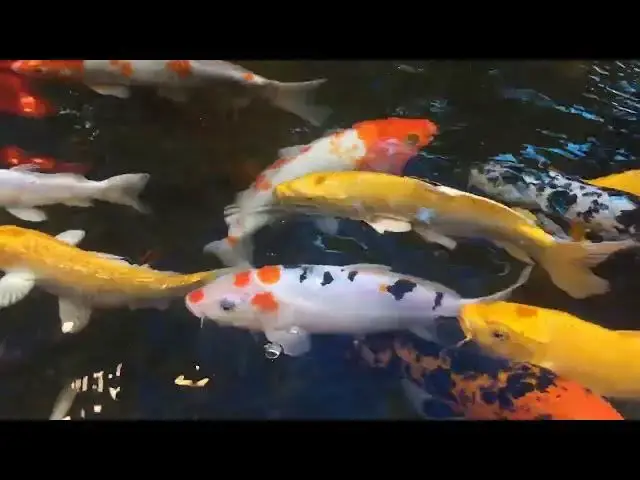
Learn about koi fish winter behavior, debunking hibernation myths and exploring their state of torpor. Discover essential tips for proper pond maintenance and fish care during cold months to ensure your koi thrive year-round.
Show More Show Less View Video Transcript
0:00
koifish winter care understanding toror
0:03
and cold weather adaptation koifish
0:06
hibernation is a widely misunderstood
0:09
topic among Pond enthusiasts many
0:12
believe these colorful carps simply fall
0:14
asleep for the winter but the truth is
0:16
far more fascinating and complex
0:18
contrary to popular belief koi fish do
0:21
not truly hibernate instead they enter a
0:25
state of toror a period of decreased
0:28
physiological activity in response to
0:30
cold temperatures and reduced food
0:32
availability this distinction is crucial
0:35
for proper koi care during the winter
0:37
months as water temperatures drop below
0:40
50° F koi fish metabolism slows
0:44
dramatically they become less active
0:46
their immune system weakens and they
0:48
stop eating this state of torper allows
0:51
them to conserve energy and survive the
0:53
harsh winter conditions understanding
0:55
this process is vital for COI owners
0:58
proper winter care can mean the
1:00
difference between thriving fish and
1:02
potential health issues or even loss the
1:05
goal is to provide an environment that
1:07
supports their natural adaptation to
1:10
cold weather preparing a koi Pon for
1:12
winter involves several key steps first
1:14
stop feeding your koi when water
1:16
temperatures consistently remain below
1:18
50° their digestive system shut down in
1:21
cold water and uneaten food can harm
1:24
water quality next remove any debris
1:26
from the pond and trim back aquatic
1:28
plants this prevents decaying matter
1:30
from affecting water quality during
1:32
winter consider adding a pond net to
1:34
keep falling leaves out ensure your pond
1:37
has areas at least 3 to 4 ft deep koi
1:40
will gather in these deeper zones where
1:42
the water remains slightly warmer if
1:44
your pond is shallower you may need to
1:47
consider moving your koi indoors for the
1:49
winter maintain water circulation to
1:52
prevent the surface from freezing
1:54
completely this allows for gas exchange
1:57
and prevents toxic gases from building
1:59
up under the ice however avoid breaking
2:02
the ice directly as the shock waves can
2:04
stress the fish a common mistake is
2:06
thinking koi need warm water and winter
2:08
in reality attempting to heat an outdoor
2:10
pond can disrupt their natural
2:12
adaptation to cold and potentially harm
2:14
them instead focus on providing a stable
2:17
environment that allows them to enter
2:19
torper safely another misconception is
2:21
that COA do not require any care during
2:24
winter while their needs are reduced
2:27
regular monitoring of water quality and
2:30
fish health is still crucial watch for
2:32
any signs of disease or distress as
2:34
their weakened immune systems make them
2:36
more susceptible to illness during this
2:38
time understanding the truth about koi
2:40
fish hibernation or more accurately
2:42
their state of toror is essential for
2:45
any koi keeper by providing the right
2:47
conditions and care you can ensure your
2:50
koi survive the winter and emerge
2:52
healthy in the spring ready to once
2:54
again bring life and color to your pond
#Fish & Aquaria
#Fish & Aquaria