Up next in 10


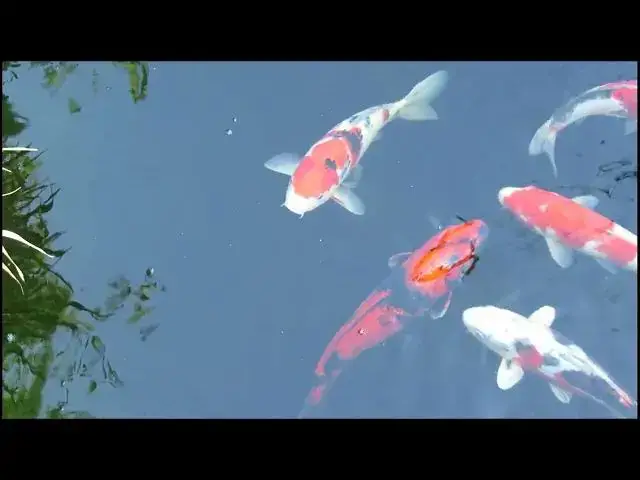
Learn about the causes of Koi fish ulcers, including poor water quality and physical injuries. Discover how to identify, treat, and prevent these health issues in your ornamental fish. Find out why maintaining good pond conditions is crucial for keeping your Koi healthy and vibrant.
Show More Show Less View Video Transcript
0:00
KO fish ulcers causes treatment and
0:04
prevention koi fish with their vibrant
0:06
colors and graceful movements are prized
0:09
ornamental fish that bring Beauty to
0:12
ponds and Water Gardens however these
0:14
elegant creatures can fall victim to a
0:17
range of health issues with ulcers being
0:19
one of the most concerning today we're
0:22
exploring the causes and treatment of
0:24
koi fish ulcers a condition that can
0:26
seriously impact the health and
0:28
well-being of these beloved aquatic pets
0:31
KO fish ulcers are open sores or lesions
0:35
that develop on the body fins or mouth
0:38
of the fish these ulcers can vary in
0:40
size and severity ranging from small
0:43
superficial wounds to deep infected
0:45
lesions that penetrate the muscle tissue
0:48
understanding the causes of these ulcers
0:50
is crucial for effective treatment and
0:52
prevention there are several factors
0:54
that can contribute to the development
0:55
of ulcers and koi fish poor water
0:58
quality is often the primary culprit
1:00
high levels of ammonia nitrites or
1:03
nitrates can stress the fish and weaken
1:05
their immune system making them more
1:07
susceptible to infections overcrowding
1:10
in ponds can also lead to stress and
1:12
increased susceptibility to diseases
1:14
physical injuries are another common
1:16
cause of ulcers sharp objects in the
1:19
pond aggressive behavior from other fish
1:22
or rough handling during maintenance can
1:25
damage the protective slime coat of the
1:27
koi creating entry points for pathogens
1:30
parasitic infections such as those
1:32
caused by flukes or anchor worms can
1:34
also create wounds that develop into
1:36
ulcers if left untreated bacterial
1:39
infections are often the direct cause of
1:41
ulcer formation aeromonas and
1:43
pseudomonas are two types of bacteria
1:46
commonly associated with koi ulcers
1:48
these opportunistic pathogens can
1:50
quickly colonize any breaks in the
1:52
fish's skin leading to the development
1:54
of ulcers identifying koi fish ulcers
1:56
early is crucial for successful
1:58
treatment look for signs such as red
2:01
inflamed areas on the fish's body open
2:04
sores or areas where scales are missing
2:07
you may also notice changes in the
2:09
fish's Behavior such as leery loss of
2:12
appetite or rubbing against objects in
2:15
the pond when it comes to treating koish
2:17
ulcers a multifaceted approach is often
2:19
necessary the first step is to improve
2:21
water quality by performing partial
2:23
water changes and ensuring proper
2:25
filtration testing the water regularly
2:28
and maintaining appropriate pH and
2:30
chemical levels is essential isolating
2:32
affected fish in a quarantine tank can
2:35
help prevent the spread of infection and
2:37
allow for more targeted treatment
2:39
antibacterial medications either added
2:41
to the water or administered through
2:43
food may be prescribed to combat
2:45
bacterial infections for larger ulcers
2:48
topical treatments applied directly to
2:50
the affected area can be beneficial in
2:52
severe cases Veterinary intervention may
2:55
be necessary a fish veterinarian can
2:57
perform a thorough examination take
3:00
samples for culture and recommend the
3:01
most appropriate treatment plan this may
3:04
include stronger antibiotics debridment
3:06
of the wound or even surgical
3:08
intervention in extreme cases prevention
3:11
is always better than cure when it comes
3:12
to COI Health maintaining excellent
3:15
water quality through regular testing
3:17
proper filtration and appropriate
3:19
stocking levels is crucial providing a
3:22
balanced diet and ensuring the pond
3:24
environment is free from sharp objects
3:26
or potential hazards can also help
3:28
prevent injuries that may may lead to
3:30
ulcers regular observation of your koi
3:33
is important for early detection of any
3:35
health issues quarantine new fish before
3:38
introducing them to your main Pond to
3:39
prevent the introduction of diseases
3:41
additionally handling fish gently and
3:44
using appropriate Nets during
3:45
maintenance can help protect their
3:47
delicate slime coat koi fish ulcers are
3:50
a serious condition that requires prompt
3:53
attention and proper care by
3:55
understanding the causes recognizing the
3:57
symptoms early and taking appropriate
4:00
action you can help ensure the Health
4:02
and Longevity of your koi remember
4:04
maintaining a clean stress free
4:07
environment is key to preventing ulcers
4:09
and keeping your koi healthy and vibrant
4:11
for years to come
#Veterinarians
#Fish & Aquaria
#Biological Sciences