Up next in 10


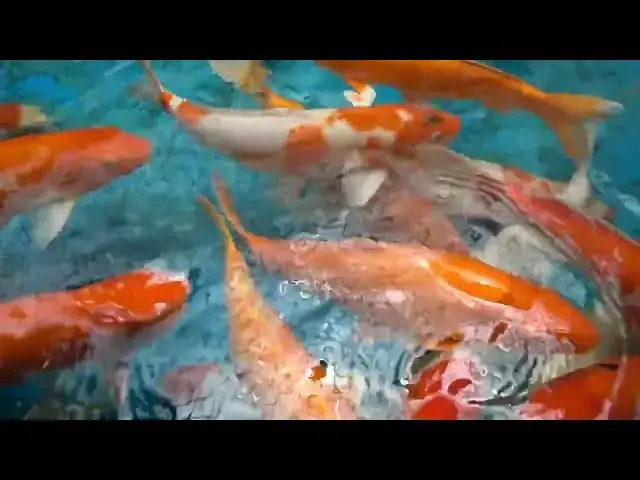
Explore the rich spiritual significance of koi fish in Japan. From ancient traditions to modern practices, discover how these colorful carp symbolize perseverance, good fortune, and enlightenment, shaping Japanese spirituality and daily life.
Show More Show Less View Video Transcript
0:00
koi fish spiritual icons in Japanese
0:03
culture koi fish with their vibrant
0:06
colors and graceful movements have long
0:09
captivated the hearts and minds of the
0:11
Japanese people these beautiful
0:12
creatures are more than just ornamental
0:15
Pond dwellers they hold a profound
0:17
spiritual significance that has shaped
0:19
Japanese culture for centuries the story
0:22
of koi in Japan begins over a thousand
0:24
years ago during the Chinese Tang
0:26
Dynasty carp were initially bred for
0:29
food but but as they were selectively
0:31
bred for color variations they
0:33
transformed into the ornamental koi we
0:35
know today when these colorful carp
0:37
arrived in Japan they quickly became
0:40
more than just a source of sustenance in
0:42
Japanese culture koi fish symbolize
0:44
several admirable qualities they
0:46
represent perseverance and determination
0:48
stemming from their ability to swim
0:50
upstream against strong currents this
0:52
has given rise to the expression koi
0:55
motaki moorei or the koi climbing the
0:58
waterfall which symbolize is overcoming
1:00
life's obstacles koi also embodied Good
1:03
Fortune success and prosperity making
1:06
them a popular Motif in Art and Design
1:09
the spiritual significance of koi has
1:11
deeply influenced Japanese religious and
1:14
philosophical traditions in Zen Buddhism
1:17
the koi's journey Upstream is seen as a
1:20
metaphor for the path to Enlightenment
1:22
practitioners often meditate on the
1:24
image of a koi swimming against the
1:26
current drawing inspiration from its
1:28
unwavering determination
1:30
Shinto the indigenous faith of Japan
1:33
also incorporates koi into its spiritual
1:36
practices many Shinto shrines feature KO
1:39
ponds where the fish are considered
1:41
sacred beings that bridge the gap
1:44
between the human and divine Realms
1:46
visitors often feed the koi as a form of
1:49
offering and to receive blessings in the
1:52
practice of fui which is been adopted by
1:54
many Japanese koi are believed to bring
1:57
positive energy and good luck to a home
2:00
or business the number and color of
2:02
koate in a pond are carefully chosen to
2:05
balance the energies of a space and
2:07
attracts specific types of Fortune the
2:09
influence of koi on Japanese
2:11
spirituality extends into modern daily
2:14
life many Japanese Homes and Gardens
2:16
feature koi ponds not just for their
2:19
aesthetic Beauty but as a means of
2:21
connecting with nature and finding inner
2:23
peace the active caring for koi is often
2:25
seen as a spiritual practice in itself
2:27
teaching patience mindfulness and
2:30
respect for all living beings the KO
2:32
have also become a popular subject in
2:34
Japanese tattoo art or iizumi these
2:37
tattoos are not merely decorative they
2:39
often carry deep spiritual meaning with
2:41
the koi representing the wearer's
2:44
aspirations for personal growth and
2:46
spiritual transformation in Japanese
2:48
business culture the image of the koi is
2:51
often used to inspire employees and
2:53
leaders alike the fish's determination
2:55
to swim upstream serves as a powerful
2:58
metaphor for perseverance in the in the
3:00
face of corporate challenges the
3:01
enduring influence of koi fish on
3:04
Japanese spiritual practices is a
3:06
testament to the Deep connection between
3:08
nature and spirituality in Japanese
3:11
culture from ancient religious
3:12
Traditions to Modern daily life these
3:15
beautiful creatures continue to inspire
3:18
guide and bring spiritual comfort to the
3:20
Japanese people the Ko's Journey against
3:23
the current serves as a powerful
3:25
reminder of the strength and resilience
3:27
of the human spirit encourag ing us all
3:30
to persevere in the face of life's
3:32
challenges
#Biological Sciences