Up next in 10


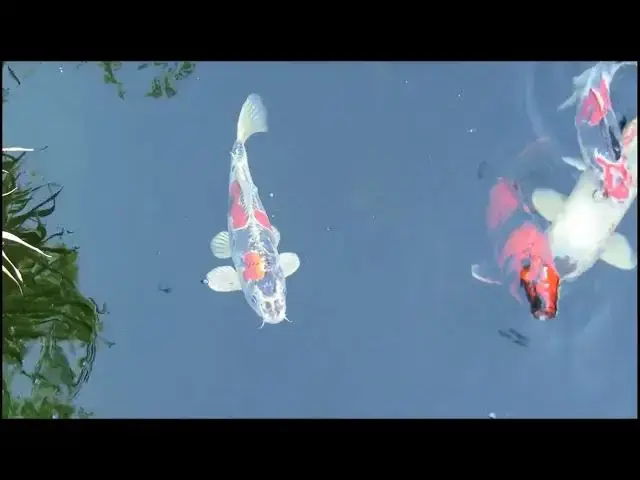
Explore the true significance of koi fish in Asian cultures. This video examines the origins of koi, their symbolism, and the misconceptions surrounding their sacred status. Learn about the cultural importance of these colorful carp and their role in art, folklore, and garden design.
Show More Show Less View Video Transcript
0:00
koifish sacred symbols or cultural icons
0:03
koi fish with their vibrant colors and
0:06
graceful movements have long been
0:08
associated with sacred symbolism in many
0:11
cultures but is there truth to the
0:13
belief that these beautiful creatures
0:15
are actually sacred let's dive into the
0:17
fascinating world of koi fish and
0:19
separate fact from fiction koi fish also
0:23
known as Niki GOI originated in China
0:26
over a thousand years ago they were
0:28
initially bred for food but their
0:30
striking colors and patterns soon caught
0:32
the attention of Japanese rice Farmers
0:35
these Farmers began to selectively greed
0:37
koi for their aesthetic qualities
0:39
leading to the ornamental koi we know
0:41
today despite their revered status in
0:44
many Asian cultures koi fish are not
0:46
actually considered sacred in a
0:48
religious sense this is a common
0:50
misconception that has spread due to
0:52
their cultural significance and
0:54
symbolism associated with them in
0:56
reality koish hold a special place in
0:59
folklore and tradition but they are not
1:01
worshiped or treated as Divine beings so
1:04
why do people often think of koi is
1:06
sacred the answer lies in the rich
1:08
symbolism these fish have acquired over
1:09
centuries in Japanese culture koi
1:12
represent perseverance strength and
1:15
success this stems from an ancient
1:18
legend of chlo swimming upstream and
1:20
transforming into dragons upon reaching
1:22
the top of a waterfall this story has
1:24
led to koi being seen as symbols of
1:27
determination and overcoming obstacles
1:29
in Chinese culture koi are associated
1:32
with Good Fortune abundance and
1:35
prosperity they are often depicted in
1:37
art and used in fanguy practices to
1:40
attract positive energy the Chinese word
1:42
for koi sounds similar to the word for
1:45
abundance further cementing their
1:47
association with good luck the
1:48
misconception of koi being sacred may
1:51
also arise from their presence in many
1:53
Buddhist temples and Gardens while koi
1:55
ponds are indeed common in these Serene
1:57
settings the fish themselves are not
1:59
objects of worship rather they
2:01
contribute to the peaceful atmosphere
2:04
and serve as living representations of
2:06
Buddhist principles such as Harmony and
2:08
balance the high value placed on certain
2:10
koi specimens with some fetching prices
2:13
in the millions of dollars has likely
2:15
contributed to the perception of their
2:17
sacred status however this value is
2:19
based on Rarity color patterns and
2:22
breeding lineage rather than religious
2:24
significance in reality the cultural
2:27
importance of koi fish lies in their
2:29
role as Living Art and symbols of
2:32
admirable qualities they are cherished
2:34
for their beauty longevity and the
2:37
Tranquility they bring to Gardens and
2:39
ponds koi have become ambassadors of
2:42
Asian culture admired worldwide for
2:44
their aesthetic appeal and the values
2:46
they represent while koish may not be
2:48
sacred in the strictest sense their
2:50
cultural significance cannot be
2:52
overstated they continue to inspire art
2:55
literature and garden design serving as
2:57
a bridge between different cultures and
3:00
a reminder of the beauty found in nature
3:03
the next time you see a koi pond
3:04
remember that these fish are not Divine
3:06
beings but rather living symbols of
3:09
resilience prosperity and the enduring
3:11
connection between humans and the
3:13
natural world
#Biological Sciences
#Other