Up next in 10

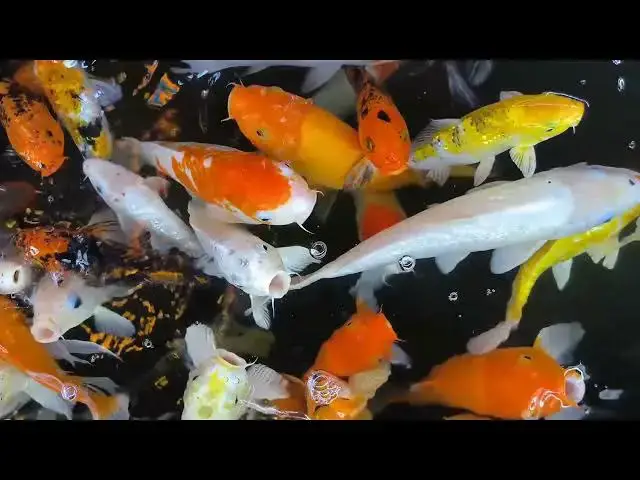
Learn about the best food options for koi fish, including natural foods, commercial pellets, and seasonal dietary adjustments. This video covers essential nutrition tips to keep your koi healthy, colorful, and thriving in your pond environment.
Show More Show Less View Video Transcript
0:00
koi fish nutrition optimal food choices
0:02
for healthy vibrant koi koi fish are not
0:06
just beautiful ornamental creatures
0:08
they're living beings that require
0:09
proper nutrition to thrive feeding your
0:11
koi the right types of food is crucial
0:14
for their health growth and vibrant
0:16
colors in this video we'll explore the
0:19
best food options to keep your koi happy
0:21
and healthy let's start with natural
0:23
foods that koi would eat in their native
0:25
habitats koi are omnivorous and enjoy a
0:28
varied diet in ponds they naturally feed
0:30
on algae aquatic plants insects and
0:33
small crustations while these foods are
0:35
excellent for koi they're often not
0:37
sufficient in most artificial Pond
0:39
environments this is where commercial
0:41
koi Foods come into play highquality
0:44
commercial koi foods are formulated to
0:46
meet all the nutritional needs of your
0:48
fish these usually come in in the form
0:50
of floating pellets and are available in
0:53
different sizes to suit koi of various
0:55
ages and sizes look for foods that
0:58
contain a balance of protein proteins
1:00
fats vitamins and minerals protein
1:03
content should be around 30 to 35% for
1:06
an adult koi with higher protein levels
1:08
for younger growing fish many koi
1:11
enthusiasts also offer supplementary
1:13
foods to provide variety and additional
1:16
nutrients these can include fruits and
1:18
vegetables like oranges watermelon
1:21
lettuce and pees however these should be
1:24
given in moderation as treats not as a
1:26
stable diet it's important to note that
1:28
Ko's dietary needs change with the
1:30
seasons in warmer months when koi are
1:33
more active they require more protein
1:36
rich foods to support their metabolism
1:39
as temperatures drop switch to lower
1:41
protein easier to digest foods during
1:44
winter when water temperatures fall
1:46
below 50° F coin may not need to be fed
1:50
at all as their metabolism slows
1:52
significantly here are some feeding tips
1:54
to keep in mind first always feed your
1:57
koi small amounts several times a day
1:59
rather than one large feeding this
2:01
mimics their natural grazing behavior
2:03
and helps maintain water quality second
2:06
remove any uneaten food after a few
2:09
minutes to prevent it from decomposing
2:11
in the pond lastly observe your koi
2:14
during feeding times their behavior can
2:16
tell you a lot about their health and
2:17
whether they're getting enough nutrition
2:19
in conclusion the best diet for koi fish
2:22
includes a mix of high quality
2:24
commercial foods supplemented with
2:26
natural foods and occasional treats
2:28
remember to adjust their diet based on
2:30
the season and always monitor your koi's
2:32
behavior and growth by providing a
2:34
balanced and appropriate diet you'll
2:36
ensure your koi remain healthy colorful
2:39
and active for years to come
#Food
#Meat & Seafood
#Nutrition
#Pets
#Fish & Aquaria
#Biological Sciences