Up next in 10


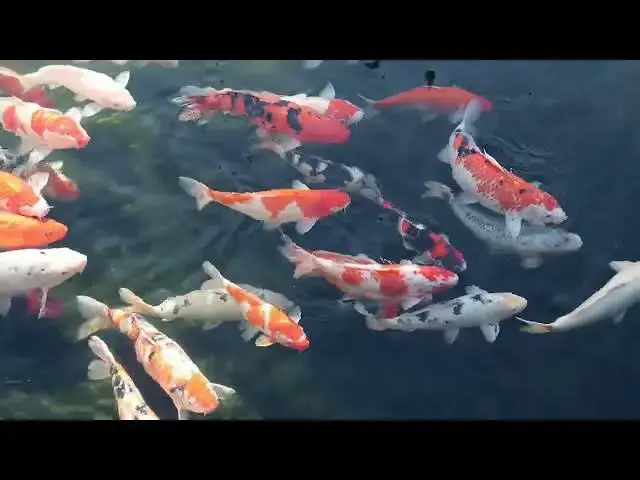
Learn how to maximize koi fish growth through optimal feeding practices. This video covers balanced diets, feeding frequency, seasonal adjustments, and common mistakes to avoid. Discover the secrets to raising healthy, vibrant koi in your pond.
Show More Show Less View Video Transcript
0:00
kooi fish nutrition boost growth with
0:02
proper feeding kooi fish are living
0:04
jewels in our ponds captivating us with
0:07
their vibrant colors and graceful
0:09
movements but did you know that proper
0:11
nutrition is the key to unlocking their
0:13
full growth potential in this video
0:16
we'll explore how to maximize koi fish
0:19
growth through optimal feeding practices
0:22
koi fish require a balanced diet rich in
0:25
proteins fats carbohydrates vitamins and
0:29
minerals proteins are crucial for muscle
0:31
development and overall growth while
0:33
fats provide energy and support vital
0:35
bodily functions carbohydrates offer
0:37
quick energy and vitamins and minerals
0:40
ensure proper metabolism and immune
0:43
function when it comes to food types
0:45
commercial koi pellets are an excellent
0:47
base for their diet these pellets are
0:49
formulated to meet the nutritional needs
0:51
of koi at various life stages however
0:54
variety is important supplement their
0:57
diet with Fresh Foods like lettuce
0:59
oranges and watermelon for added
1:01
nutrients and enrichment live or frozen
1:03
foods such as bloodworms and brine
1:06
shrimp can also boost protein intake and
1:08
stimulate natural foraging behaviors
1:11
feeding frequency and amount are
1:13
critical factors in koi growth young koi
1:16
should be fed 3 to four times a day
1:18
while adult koi can be fed two to three
1:21
times daily offer only as much food as
1:23
they can consume in 5 minutes to prevent
1:25
overfeeding and water pollution remember
1:28
it's better to underfeed slightly lead
1:30
into overfeed seasonal adjustments in
1:32
feeding are necessary for optimal koi
1:34
health and growth in spring and summer
1:36
when water temperatures are above 18° C
1:40
koi have higher metabolisms and require
1:43
more food as temperatures drop in fall
1:46
and winter reduce feeding frequency and
1:49
amount when water temperatures fall
1:51
below 10° C koi enter a state of dormy
1:54
and feeding should be minimal or stopped
1:57
entirely supplements and additives can
1:59
enhance Co growth and color development
2:01
consider adding color enhancing foods
2:03
rich in carotenoids to intensify their
2:06
vibrant Hues their probiotics can
2:08
improve digestion and nutrient
2:09
absorption while vitamin C supplements
2:12
boost the immune system especially
2:14
during stressful periods like
2:16
temperature changes or handling avoid
2:18
common feeding mistakes that can hinder
2:20
koi growth don't rely solely on one type
2:23
of food as this can lead to nutritional
2:26
imbalances overfeeding is a frequent
2:28
error that not not only wastes food but
2:31
can also degrade water quality leading
2:34
to health issues lastly avoid feeding
2:37
koi bread or other human foods not
2:39
specifically designed for fish as these
2:42
can cause digestive problems regularly
2:45
monitor your Ko's growth and overall
2:47
health keep a lot of their length and
2:49
weight and observe their behavior during
2:51
feeding times healthy well-fed koi
2:54
should be active have clear eyes and
2:56
display smooth damage free scale and
3:00
fins if you notice any changes in
3:02
appetite or appearance consult the koi
3:05
health specialist by providing a
3:07
balanced diet adjusting feeding
3:09
practices seasonally and avoiding common
3:11
mistakes you can maximize your Ko's
3:13
growth potential remember proper
3:15
nutrition is not just about size but
3:18
also about maintaining the overall
3:20
health and vibrancy of these beautiful
3:22
fish with patience and proper care
3:24
you'll be rewarded with stunning
3:26
well-grown koi that will be the pride of
3:29
your pond for years to come
#Meat & Seafood
#Nutrition
#Pets
#Fish & Aquaria
#Biological Sciences
#Fruits & Vegetables