Up next in 10

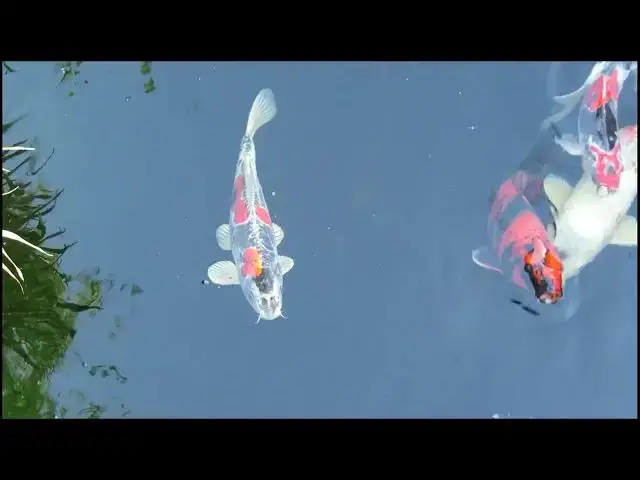
Learn how to properly balance protein and fat in your koi fish's diet for healthy growth and vibrant colors. This video covers the importance of nutrition for koi at different life stages, tips for selecting the right food, and common feeding mistakes to avoid.
Show More Show Less View Video Transcript
0:00
koi fish nutrition balancing protein and
0:03
fat for optimal growth koi fish are
0:05
living jewels in our ponds captivating
0:08
us with their vibrant colors and
0:09
graceful movements but to truly Thrive
0:12
these beautiful creatures need more than
0:13
just clean water and admiration the
0:15
secret to raising healthy vibrant COI
0:18
lies in their diet specifically in the
0:20
balance of protein and fat today we're
0:23
diving into the world of coding
0:25
nutrition to uncover how to achieve this
0:28
crucial balance for optimal growth
0:30
protein is the building block of life
0:33
and for KO it's essential for growth
0:35
tissue repair and overall health high
0:38
quality protein sources provide the
0:40
amino acids necessary for Koy to develop
0:43
strong muscles maintain their immune
0:45
system and produce those brilliant
0:47
colors we all admire however protein
0:49
alone isn't enough fat plays an equally
0:52
important role in coin nutrition it's a
0:55
concentrated source of energy crucial
0:57
for maintaining body functions and
0:59
support supporting growth fat also AIDS
1:01
in the absorption of fat soluble
1:04
vitamins and provides essential fatty
1:06
acids that KO can't produce on their own
1:08
these fatty acids contribute to healthy
1:10
skin fins and overall Vitality the key
1:14
to Optimal koi growth lies in finding
1:17
the right balance between protein and
1:19
fat this balance isn't static it changes
1:22
as koi grow and develop for young koi a
1:25
higher protein to Fat ratio is
1:28
beneficial juvenile KO typically require
1:31
a diet with 35 to 40% protein and 5 to
1:34
10% fat this high protein diet supports
1:38
rapid growth and development as koi
1:40
mature their nutritional needs shift
1:43
adult koi generally thrive on a diet
1:46
with 30 to 35% protein and 3 to 7% fat
1:51
this slightly lower protein content and
1:53
fat percentage helps maintain their
1:55
health without promoting excessive
1:57
growth which can strain their organs
1:59
when selecting koi food always check the
2:02
label for protein and fat content look
2:04
for high quality easily digestable
2:06
protein sources like fish meal or kill
2:09
meal for fats seek out foods containing
2:12
fish oil or other marine-based fats rich
2:14
in Omega three fatty acids adjusting
2:17
your feeding habits is also crucial in
2:20
warmer months when koi are more active
2:22
you can feed them more frequently with a
2:24
slightly higher protein content during
2:27
colder months reduce feeding frequency
2:29
and for foods with a bit more fat to
2:31
provide energy reserves be cautious of
2:34
common mistakes in Coy nutrition
2:36
overfeeding is a frequent issue that can
2:39
lead to poor water quality and health
2:41
problems it's better to feed small
2:43
amounts multiple times a day rather than
2:45
one large feeding also avoid human food
2:49
or bread which lack the necessary
2:51
nutrients and can cause digestive issues
2:53
remember the goal is to promote steady
2:57
Healthy Growth rather than rapid weight
2:59
gain monitoring your CO's growth and
3:01
adjusting their diet accordingly is key
3:04
to long-term health and vitality in
3:06
essence balancing protein and fat in
3:09
your Ko's diet is a dynamic process that
3:12
requires attention and adjustment by
3:14
providing the right nutritional balance
3:16
you're not just feeding your koi you're
3:18
nurturing their potential to grow into
3:21
the stunning healthy fish they're meant
3:22
to be with the right approach to
3:24
nutrition you'll be rewarded with koi
3:27
that are not only beautiful to look at
3:29
but also robust active and full of life
#Food
#Meat & Seafood
#Nutrition
#Pets
#Fish & Aquaria
#Biological Sciences
#Meat & Seafood Substitutes