Up next in 10


Explore the significance of koi fish in Japanese culture and how they embody key principles of environmental philosophy. Learn about their history, symbolism, and the ways they reflect Japan's harmonious approach to nature.
Show More Show Less View Video Transcript
0:00
koi fish living symbols of Japanese
0:02
environmental Harmony imagine a Serene
0:04
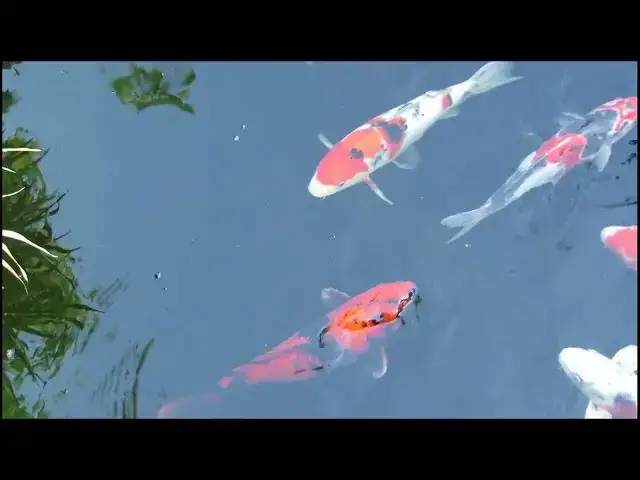
Japanese garden where vibrant koi fish
0:07
Glide gracefully through crystal clear
0:10
waters these living Jewels are more than
0:11
just ornamental creatures they embody
0:14
deep rooted principles of Japanese
0:16
environmental philosophy today we
0:18
explore how koi fish reflect the
0:20
harmonious relationship between nature
0:22
and human culture in Japan koi also
0:25
known as Nishiki GOI or brocaded carp
0:28
have a rich history in Japan dating back
0:31
over a thousand years originally bred
0:33
for food in the rice patties of Nagata
0:35
prefecture these colorful variants of
0:37
the common carp eventually became prized
0:39
for their beauty and symbolic
0:41
significance at the heart of Japanese
0:43
environmental philosophy lies the
0:46
concept of harmony with nature this
0:48
philosophy emphasizes the
0:50
interconnectedness of all living things
0:52
and the importance of maintaining
0:53
balance in the natural world it is
0:55
deeply influenced by Shinto and Buddhist
0:58
beliefs which view nature as sacred and
1:01
deserving of respect koe fish
1:04
beautifully reflect these environmental
1:06
principles in several ways first their
1:09
presence in Garden ponds creates a
1:11
living ecosystem demonstrating the
1:14
delicate balance between different
1:16
elements of nature the fish depend on
1:18
clean water proper nutrition and a
1:21
well-maintained environment to thrive
1:23
just as the broader ecosystem relies on
1:25
the harmonious interaction of its
1:27
components moreover the practice of koi
1:30
keeping embodies the Japanese concept of
1:32
wabisabi which finds Beauty in
1:35
imperfection and transience each KO is
1:37
unique with its own pattern and
1:40
coloration celebrating the diversity
1:42
found in nature the changing appearance
1:45
of koi as they grow and age mirrors the
1:48
cycles of nature reminding us of the
1:50
impermanence of all things the care and
1:53
cultivation of koi also reflect a
1:55
Japanese principle of stewardship koi
1:58
Keepers must be attentive to the needs
1:59
of their fish maintaining water quality
2:02
providing appropriate nutrition and
2:04
ensuring a suitable habitat this mirrors
2:07
the broader Japanese approach to
2:09
Environmental Management which
2:11
emphasizes responsible care and
2:13
preservation of Natural Resources in
2:15
Japanese culture koi have become
2:17
powerful symbols of perseverance
2:19
strength and transformation the image of
2:22
a koi swimming Upstream against a
2:24
powerful current is often used to
2:26
represent overcoming life's challenges
2:29
this symbol ISM aligns with the Japanese
2:31
view of nature as a teacher providing
2:34
lessons and inspiration for human life
2:36
the cultural impact of koi extends
2:39
beyond their symbolic meaning koi
2:41
breeding has become an art form in
2:43
itself with enthusiasts and breeders
2:46
working to develop new color patterns
2:48
and varieties this practice demonstrates
2:50
the Japanese ability to work within
2:52
natural systems to create Beauty rather
2:56
than imposing human will upon nature KO
2:59
have also influen Japanese art
3:01
literature and design their graceful
3:04
forms and vibrant colors appear in
3:06
paintings textiles and even architecture
3:09
further integrating these natural
3:11
elements into human cultural expression
3:13
the popularity of koi keeping has spread
3:16
globally carrying with it elements of
3:18
Japanese environmental philosophy as
3:21
people around the world create koi ponds
3:23
and learn to care for these fish they
3:26
often adopt a more mindful approach to
3:28
their relationship with nature in
3:30
essence koi fish serve as living
3:33
ambassadors of Japanese environmental
3:35
philosophy they embody the principles of
3:37
Harmony balance and respect for nature
3:40
that are Central to Japanese culture
3:42
through their beauty symbolism and the
3:45
care they require koi remind us of our
3:48
connection to the natural world and our
3:50
responsibility to maintain its delicate
3:52
balance as as we observe koi gracefully
3:56
swimming in their ponds we are invited
3:58
to reflect on our own relationship with
4:00
nature these remarkable fish encourage
4:03
us to seek harmony with our environment
4:05
to find beauty and diversity and
4:08
imperfection and to approach the natural
4:10
world with reverence and Care in this
4:12
way koi continue to play a vital role in
4:15
spreading Japanese environmental
4:17
philosophy inspiring a more balanced and
4:20
respectful Approach To Nature across the
4:23
globe
#Fishing
#Pets
#Fish & Aquaria
#Biological Sciences
#Aquaculture