Up next in 10


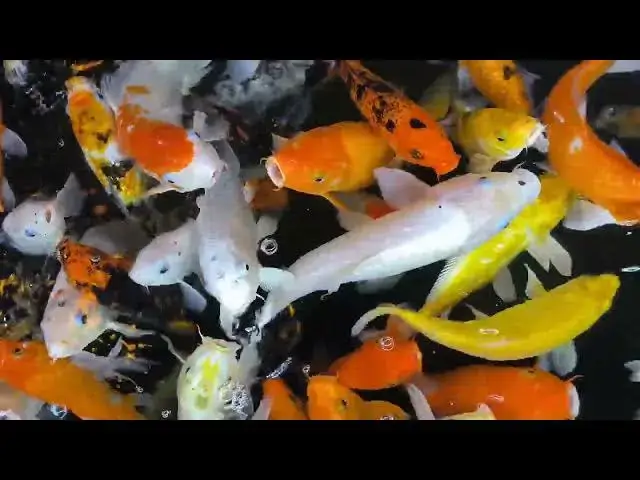
Learn about koi fish behavior during cold months. Discover how these colorful pond inhabitants enter a state of dormancy, not hibernation, and find out essential care tips to keep your koi healthy through winter.
Show More Show Less View Video Transcript
0:00
koi fish in Winter understanding dormy
0:02
koi fish are known for their vibrant
0:04
colors and graceful movements in Garden
0:06
ponds but what happens to these
0:07
beautiful creatures when winter arrives
0:09
do koi fish hibernate this question
0:12
often puzzles many Pond owners and fish
0:15
enthusiasts today we will explore the
0:19
winter behavior of koi fish and
0:21
understand the concept of dorcy koi fish
0:24
are colorful varieties of the amirar
0:26
originally from East Asia in their
0:28
natural habitat K and have cold Waters
0:30
and have adapted to survive in varying
0:32
temperatures however the way they handle
0:34
winter might surprise you to address our
0:36
main question KO fish do not technically
0:39
hibernate hibernation is a state of Deep
0:42
Sleep where animals significantly lower
0:44
their body temperature and metabolic
0:46
rate instead koi fish enter a state
0:49
called winter dorcy or torper during
0:52
winter dorcy coy fish slow down their
0:55
metabolism and activity levels but they
0:57
do not shut down completely as the water
1:00
temperature drops usually below 50° F KO
1:04
fish begin to enter this state their
1:06
bodily functions slow down they stop
1:08
eating and they become less active to
1:11
conserve energy several factors affect
1:13
KO fish during winter water temperature
1:15
is the most crucial as temperatures fall
1:18
the fish's immune system weakens making
1:20
them more susceptible to diseases oxygen
1:23
levels in the water also play a vital
1:25
role as colder water holds more
1:28
dissolved oxygen pond depth is another
1:31
important factor koi need deeper areas
1:34
to retreat to when surface water freezes
1:37
the pond bottom maintains a more stable
1:39
temperature providing a safer
1:40
environment for the fish during the
1:42
coldest months caring for koi fish
1:44
during winter requires some preparation
1:46
Pond owners should stop feeding their
1:48
Koo when water temperatures consistently
1:51
stay below 50° F the fish's digestive
1:54
system slows down significantly in cold
1:57
water and uneaten food can pollute the
1:59
pond maintaining good water quality is
2:01
essential use a deer to keep a portion
2:06
of the pond surface free of ice allowing
2:09
for proper gas exchange this prevents
2:12
toxic gases from building up under the
2:14
ice and ensures sufficient oxygen levels
2:16
for the fish it is also important to
2:18
remove fallen leaves and debris from the
2:19
pond before winter sets in decaying
2:22
organic matter can deplete oxygen levels
2:25
and produce harmful gases in conclusion
2:28
while koi fish do not hibernate in the
2:30
traditional sense they do enter a state
2:33
of winter dorcy this natural adaptation
2:36
allows them to survive cold temperatures
2:38
by slowing down their bodily functions
2:41
by understanding this process and
2:42
providing proper care Pond owners can
2:44
ensure their koi fish remain healthy
2:46
throughout the winter months ready to
2:48
display their vibrant colors and active
2:50
behavior when spring arrives
#Pets
#Fish & Aquaria
#Biological Sciences