Up next in 10


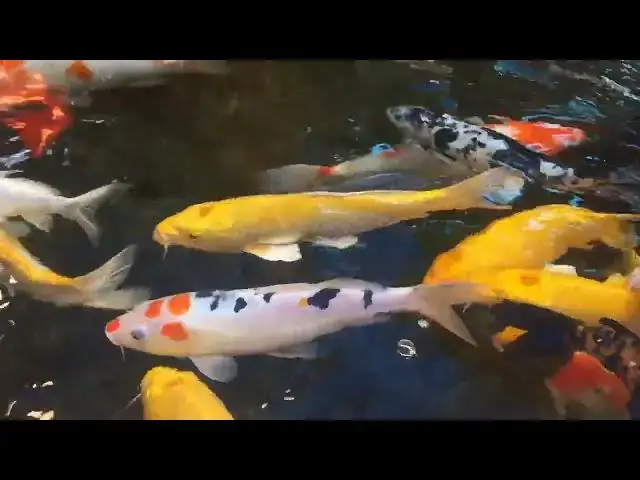
Explore the role of Koi fish in Shinto beliefs and Japanese culture. Learn about their symbolism, spiritual meaning, and importance in rituals and festivals. Discover how these colorful creatures represent perseverance, balance, and transformation in Japan's indigenous faith.
Show More Show Less View Video Transcript
0:00
koi fish in chanism symbols of spiritual
0:03
significance the graceful koi fish with
0:06
its vibrant colors and fluid movements
0:09
has long captivated the hearts and minds
0:11
of people around the world in Japan
0:14
these beautiful creatures hold a special
0:16
place in culture and spirituality
0:19
particularly within the realm of shenis
0:21
shin ISM the indigenous faith of Japan
0:25
is a nature-based religion that
0:27
emphasizes the worship of Kami or spir
0:30
spirits that inhabit all things this
0:32
belief system sees the Divine and
0:34
natural phenomena animals and even
0:37
man-made objects within this Rich
0:39
tapestry of spiritual significance the
0:41
koi fish swims with particular
0:44
importance in Shinto beliefs koi fish
0:47
are often seen as symbols of
0:50
perseverance strength and transformation
0:52
their ability to swim upstream against
0:54
strong currents is viewed as a powerful
0:56
metaphor for overcoming life's obstacles
0:59
this symbolism is deeply rooted in the
1:02
Shinto concept of continuous Improvement
1:04
and the pursuit of perfection in one's
1:07
life and actions the colors of koi fish
1:09
also carry spiritual meaning in Shin ISM
1:12
the most revered is the red and white
1:14
COI known as kohaku these colors mirror
1:18
those of the Japanese flag and are
1:20
considered sacred in Shinto Traditions
1:22
the red is believed to represent the
1:24
feminine aspects of nature while the
1:27
white symbolizes the masculine creating
1:29
a perfect balance of Yin and Yang koi
1:32
fish feature prominently in chint
1:33
mythology one famous Legend tells of koi
1:36
that swam upstream and leaped over the
1:38
mythical Dragon Gate transforming into a
1:41
powerful Dragon as a reward for its
1:43
perseverance this Tale reinforces the
1:45
Shinto belief in the potential for
1:47
spiritual growth and transformation
1:50
through dedicated effort in Shinto
1:52
practices koip pons are often found near
1:55
shrines and temples these ponds are not
1:57
merely decorative but serve as living
2:00
representations of the Kami Spirits
2:02
worshippers May feed the koi as part of
2:04
their Shrine visit viewing this act as a
2:07
way of connecting with the natural world
2:08
and honoring the Cami During certain
2:11
Shinto festivals such as Children's Day
2:14
koi shaped flags and kites are flown
2:16
these colorful displays are not only
2:18
visually striking but also serve as
2:20
prayers for the strength courage and
2:22
success of young people as they grow and
2:25
face life's challenges in modern
2:27
Japanese Society the spiritual signific
2:30
of koi has evolved Beyond traditional
2:32
Shinto beliefs many people regardless of
2:35
their religious affiliation keep koi
2:38
ponds or display koi themed art as
2:41
symbols of Good Fortune perseverance and
2:44
aspirations this widespread appreciation
2:46
demonstrates How Deeply the spiritual
2:49
meaning of koi has permeated Japanese
2:51
culture the koi fish with its Rich
2:54
symbolism and spiritual significance
2:56
continues to play a vital role in Shinto
2:59
belie beliefs and practices from
3:01
representing the balance of natural
3:03
forces to embodying the virtues of
3:05
perseverance and transformation these
3:07
elegant creatures swim through the
3:09
currents of Japanese spirituality
3:11
connecting the physical world with the
3:13
realm of the Cami as we reflect on the
3:15
meaning of koi and chintis we are
3:17
reminded of the profound connections
3:20
between nature spirituality and human
3:23
aspiration that lie at the heart of this
3:25
ancient faith
#Fish & Aquaria
#Biological Sciences