Up next in 10


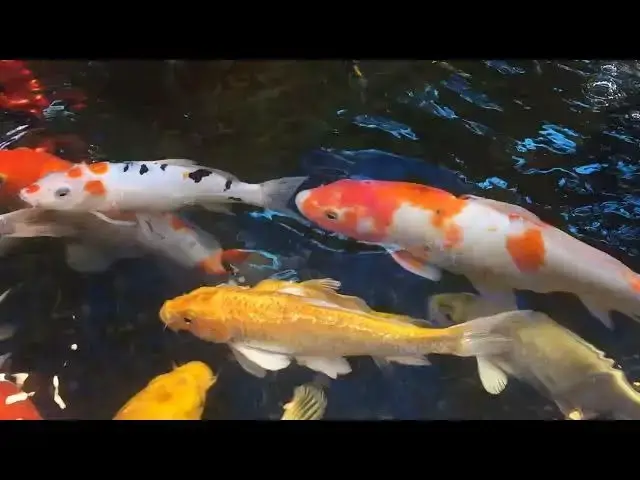
Explore the advantages and drawbacks of raising koi fish in traditional mud ponds. Learn about natural growth, color development, and the unique challenges of this aquaculture method compared to artificial environments.
Show More Show Less View Video Transcript
0:00
koi fish in map pons benefits and
0:03
challenges koi fish with their vibrant
0:06
colors and graceful movements have
0:08
captivated fish enthusiasts for
0:10
centuries these living jewels of the
0:12
water are not just beautiful to look at
0:14
but also represent a fascinating aspect
0:17
of aquaculture today we're exploring the
0:19
pros and cons of growing koi fish in mud
0:22
ponds a method that has been used for
0:24
Generations mud ponds as the name
0:27
suggests are earn ponds with natural
0:30
soil bottoms they've been traditionally
0:32
used in Japan and other parts of Asia
0:34
for breeding and raising koi these ponds
0:37
mimic the natural environment of C the
0:39
ancestors of modern koi and provide a
0:41
unique setting for fish grow let's start
0:44
by looking at the advantages of raising
0:45
Co and mutons first and foremost mutons
0:49
offer a more natural environment for the
0:51
fish the soil bottom is teaming with
0:54
microorganisms insects and plants that
0:57
serve as natural food sources for the
0:59
koi this VAR diet contributes to better
1:02
growth rates and more vibrant colors in
1:04
the fish secondly the larger space of
1:07
monds allows koi to swim freely
1:10
promoting better muscle development and
1:12
overall health the natural sunlight
1:13
exposure in outdoor ponds also AIDS in
1:16
color development particularly for the
1:18
prized red and white kohaku varieties
1:20
another significant Advantage is the
1:23
lower maintenance required for mud ponds
1:25
compared to artificial ponds or tanks
1:27
the ecosystem in a mud Pond is more
1:29
self-sustained aing with natural
1:31
filtration processes helping to maintain
1:33
water quality however raising koi and M
1:36
pons isn't without its challenges one of
1:38
the main drawbacks is the difficulty in
1:40
controlling water quality mud ponds are
1:43
more susceptible to environmental
1:45
factors like rainfall temperature
1:47
fluctuations and algae blooms which can
1:50
affect the health of the fish Predators
1:52
pose another significant risk in outdoor
1:54
mud ponds Birds raccoons and other
1:57
Wildlife can prey on koi leading to
2:00
losses if proper protective measures
2:02
aren't in place disease management can
2:05
also be more challenging in mutons the
2:07
natural environment while beneficial in
2:09
many ways can also Harbor parasites and
2:12
bacteria that might affect the coai
2:14
regular health checks and treatments can
2:17
be more difficult to administer in a
2:19
large natural setting harvesting and
2:21
selecting koi from mud ponds can be more
2:23
labor intensive compared to artificial
2:25
ponds the murky water and larger area
2:28
make it harder to observe and catch
2:31
specific fish for sale or breeding
2:33
purposes lastly mud pons require more
2:36
space and are not feasible for many
2:39
Urban or Suburban koi enthusiasts
2:41
they're typically used by professional
2:43
breeders or on larger properties where
2:45
space isn't a constraint in conclusion
2:48
raising koi and mud ponds offers
2:50
significant benefits in terms of growth
2:52
color development and natural living
2:54
conditions however it also presents
2:56
challenges in terms of management
2:58
Predator control and and space
3:00
requirements the choice between monds
3:03
and more controlled environments often
3:04
depends on the specific goals of the koi
3:06
keeper available resources and local
3:09
conditions ultimately understanding
3:12
these pros and cons can help koi
3:13
enthusiasts make informed decisions
3:16
about the best way to raise these
3:17
beautiful fish
#Pets
#Fish & Aquaria
#Biological Sciences
#Ecology & Environment
#Aquaculture