live_tv
Livestream Starting Soon
00
Hours
:
00
Minutes
:
00
Seconds
Up next in 10


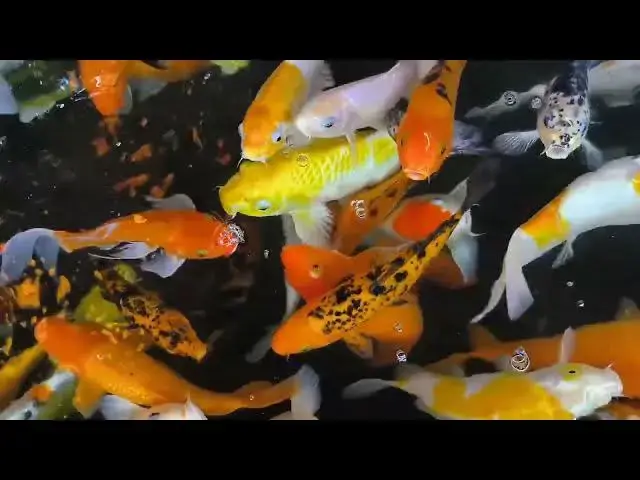
Explore the role of koi fish in traditional Japanese water purification rituals. Learn about their cultural significance, symbolism, and how these colorful creatures contribute to both spiritual and physical water cleansing practices in Japan.
Show More Show Less View Video Transcript
0:00
koe fish in Japanese water purification
0:03
culture meets nature koi fish with their
0:06
vibrant colors and graceful movements
0:09
have long been admired in Japanese
0:11
culture but did you know that these
0:12
beautiful creatures play a significant
0:15
role in traditional water purification
0:17
rituals this fascinating intersection of
0:19
nature culture and spirituality had been
0:23
a part of Japanese tradition for
0:24
centuries the use of koi and water
0:27
purification rituals can be traced back
0:29
to ancient Japan as far back as the 8th
0:31
Century koi were introduced to Japan
0:33
from China and quickly became revered
0:35
for their strength and perseverance
0:37
Legend has it that koi swimming Upstream
0:39
could transform into Dragon symbolizing
0:42
power and good fortune in Japanese
0:44
culture koi represents several admirable
0:47
qualities their ability to swim against
0:49
strong currents symbolizes determination
0:52
and overcoming adversity the fish's
0:54
longevity sometimes living over a
0:57
hundred years represents wisdom and
1:00
these attributes made koi the perfect
1:02
symbol for purification rituals where
1:04
they were seen as capable of cleansing
1:06
not just water but also the human Spirit
1:09
traditional water purification rituals
1:11
in Japan known as misoji often involve
1:15
natural bodies of water like Rivers
1:17
waterfalls or the ocean kond became an
1:20
extension of this practice bringing the
1:23
purifying properties of water closer to
1:25
homes and temples in these rituals
1:28
participants would often meditate near
1:30
koi ponds believing that the fish's
1:32
movements through the water help to
1:34
purify both the water and the
1:36
surrounding environment from a
1:37
scientific perspective koi do contribute
1:40
to water purification though not in the
1:43
mystical way once believed COI like
1:46
other fish produce waste that is broken
1:49
down by beneficial bacteria in the pond
1:52
this process known as the nitrogen cycle
1:55
helps maintain water quality
1:57
additionally the movement of koi through
2:00
the water helps to circulate it
2:01
preventing stagnation and promoting
2:03
oxygenation in modern Japan the
2:06
traditional beliefs surrounding Co and
2:08
water purification have evolved but
2:10
their cultural significance remains
2:12
strong many Japanese Gardens and temples
2:15
still feature koi ponds serving as
2:17
places for reflection and spiritual
2:19
renewal some contemporary water
2:21
treatment facilities in Japan have even
2:23
Incorporated koi ponds into their
2:25
designs blending traditional symbolism
2:28
with modern Water Management practices
2:30
the role of koii fish in Japanese water
2:32
purification rituals showcases the Deep
2:35
connection between nature and
2:37
spirituality in Japanese culture these
2:39
beautiful creatures continue to be
2:41
revered not just for their aesthetic
2:43
appeal but for their symbolic power to
2:46
purify both water and spirit as we Face
2:49
growing environmental challenges the
2:51
ancient wisdom embodied in these
2:53
Traditions reminds us of the importance
2:55
of maintaining harmony with nature and
2:57
the potential for Renewal and pure
2:59
purification in our lives
#Biological Sciences