Up next in 10


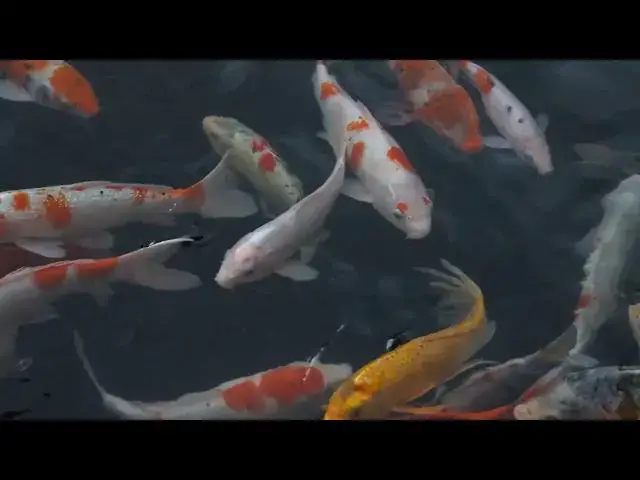
Explore the rich history and cultural significance of koi fish in Japan. This video covers ancient legends, folklore, and the modern symbolism of these colorful carp, highlighting their representation of perseverance, strength, and success in Japanese tradition.
Show More Show Less View Video Transcript
0:00
koi fish in Japanese culture from
0:02
folklore to Modern symbolism koi fish
0:05
with their vibrant colors and graceful
0:08
movements have long captured the
0:10
imagination of the Japanese people these
0:12
beautiful creatures are not just
0:14
ornamental pondfish but powerful symbols
0:17
deeply woven into the fabric of Japanese
0:20
folklore and mythology the story of koi
0:22
in Japan begins over a thousand years
0:25
ago when they were introduced from China
0:27
originally bred for food these cars soon
0:30
became prized for their beauty and
0:32
symbolic meaning in Japanese culture koi
0:35
represent perseverance strength and
0:37
success this symbolism is rooted in the
0:40
legend of the koi fish swimming Upstream
0:43
according to this tale a school of
0:45
determined koi swam against the powerful
0:48
current of the Yellow River in China
0:51
many gave up but one persistent koi
0:53
continued to swim upstream for 100 years
0:56
when it finally reached the top of a
0:57
waterfall known as the Dragon Gate the
1:00
gods rewarded its perseverance by
1:02
transforming it into a magnificent
1:04
Golden Dragon this Legend gave rise to
1:07
the phrase Ko No Tak no bori which means
1:11
KO climbing a waterfall it is often used
1:14
to describe a person overcoming
1:16
difficulties to achieve success the
1:18
image of koi swimming Upstream has
1:20
become a popular Motif in Japanese art
1:22
and is especially associated with boy
1:25
Day Celebrations another fascinating
1:27
folk tale involving KO is the story of
1:30
canaro a boy with superhuman strength
1:33
raised by a mountain witch in one famous
1:35
scene young kintaro is depicted
1:38
wrestling with a giant koi in a river
1:42
showcasing both his incredible power and
1:45
the formidable nature of the koi itself
1:48
in Japanese mythology koi are sometimes
1:51
associated with aisu one of the seven
1:54
gods of Fortune edu is often depicted
1:57
holding a fishing rod with a large red
1:59
fish believed by many to be at koi this
2:02
connection further cements the koi
2:04
status as a symbol of good fortune and
2:06
prosperity the transformative nature of
2:08
koi is also reflected in the belief that
2:11
koi can turn into dragons this idea is
2:14
not limited to the legend of the Dragon
2:16
Gate but appears in various forms
2:18
throughout Japanese folklore it
2:20
reinforces the notion that with
2:22
perseverance and determination one can
2:24
achieve greatness and undergo a profound
2:27
transformation in modern Japanese
2:29
culture the influence of koi remains
2:32
strong koi ponds are common features in
2:34
Japanese Gardens both public and private
2:37
the art of breeding and raising koi
2:40
known as nichu is considered a respected
2:43
and sophisticated hobby KO motifs appear
2:46
frequently in traditional and
2:48
contemporary Japanese art from Yukio a
2:51
wood block prints to modern tattoo
2:53
designs the koi fish with its Rich
2:56
history in Japanese folk tales and myths
2:59
continues to to swim through the
3:00
currents of Japanese culture from
3:02
ancient legends of perseverance to
3:04
Modern symbols of beauty and strength
3:06
koi embodied the Japanese Spirit of
3:09
determination and the possibility of
3:11
transformation these colorful carp
3:13
remind us that with patience and
3:15
persistence we too can overcome
3:17
obstacles and Achieve our goals perhaps
3:20
even transforming ourselves in the
3:21
process
#Biological Sciences
#Other