Up next in 10


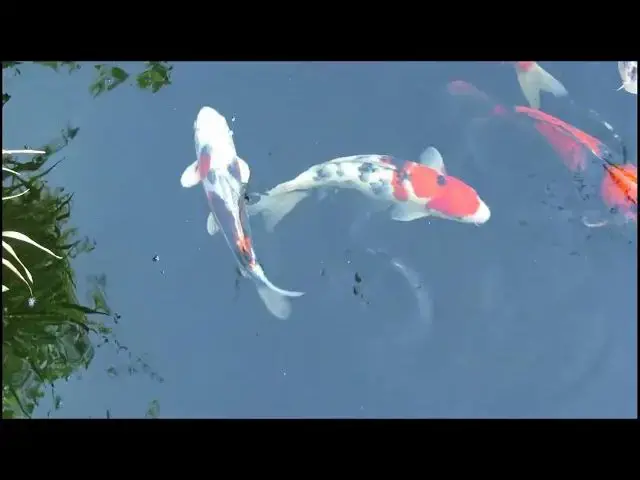
Learn how proper oxygen levels in your koi pond can protect your fish from diseases and ensure their health. This video covers ideal oxygen concentrations, signs of low oxygen stress, and practical tips for maintaining optimal levels in your pond.
Show More Show Less View Video Transcript
0:00
koi fish health the importance of oxygen
0:02
in disease prevention oxygen is the
0:05
lifeline for koi fish playing a crucial
0:07
role in their health and disease
0:09
prevention in this video we will explore
0:12
how proper oxygen levels can Safeguard
0:14
your koi from various illnesses and
0:17
ensure their longevity koi like all fish
0:20
rely on dissolved oxygen in the water to
0:23
breathe but they extract this vital
0:25
element through their gills which then
0:26
enters their bloodstream and fuels
0:28
essential bodily function without
0:30
adequate oxygen koi cannot Thrive or
0:33
defend themselves against potential
0:34
threats for a koi pond the ideal oxygen
0:37
level typically ranges between 6 to
0:40
eight parts per million this
0:41
concentration provides koi with the
0:43
oxygen they need to maintain good health
0:45
growth and resist diseases however
0:48
oxygen levels can fluctuate due to
0:50
various factors such as temperature Pond
0:52
depth and the number of fish present
0:55
when oxygen levels drop below the
0:56
optimal range koi begin to experience
0:59
stress they may exhibit signs of
1:01
distress such as gasping at the surface
1:03
or clustering near water inlets where
1:06
oxygen levels are higher prolonged
1:08
exposure to low oxygen conditions can
1:10
lead to a weakened immune system making
1:13
koi more susceptible to diseases low
1:17
oxygen levels create an environment
1:19
where harmful bacteria and parasites can
1:21
flourish these pathogens thrive in
1:24
poorly oxygenated water increasing the
1:27
risk of infections and diseases in Co in
1:30
ailment that may arise include bacterial
1:32
Gill disease th rot and various fungal
1:35
infections additionally low oxygen can
1:39
exacerbate existing health issues making
1:42
recovery more challenging for already
1:44
sick fish to maintain proper oxygen
1:47
levels and prevent diseases several
1:49
strategies can be employed first ensure
1:52
your pond has adequate irration through
1:54
the use of air pumps waterfalls or
1:56
fountains these features not only add
1:59
oxygen to the water but also promote
2:01
circulation preventing stagnant areas
2:03
where oxygen levels can drop regular
2:06
water testing is crucial to monitor
2:08
oxygen levels and other important
2:10
parameters invest in a reliable
2:13
dissolved oxygen meter to keep track of
2:15
oxygen concentrations in your pond this
2:18
will allow you to take prompt action if
2:19
levels begin to decline proper pond
2:22
maintenance is also essential remove
2:24
excess organic matter such as fallen
2:27
leaves and uneaten food as these decomp
2:29
CL and consume oxygen additionally avoid
2:33
overstocking your pond as too many fish
2:35
can quickly deplete available oxygen
2:38
during hot summer months when oxygen
2:40
levels naturally decrease due to warmer
2:43
water temperatures consider adding
2:45
supplemental irration or reducing
2:47
feeding this will help maintain adequate
2:49
oxygen levels during critical periods in
2:52
conclusion maintaining proper oxygen
2:54
levels is fundamental to preventing koi
2:57
fish diseases by ensuring your pond has
3:00
sufficient dissolved oxygen you create
3:02
an environment where koi can Thrive and
3:04
better resist potential Health threats
3:07
remember well oxygenated Pond is the
3:11
foundation for healthy vibrant koay that
3:15
will bring joy for years to come
#Fish & Aquaria
#Fish & Aquaria