Up next in 10


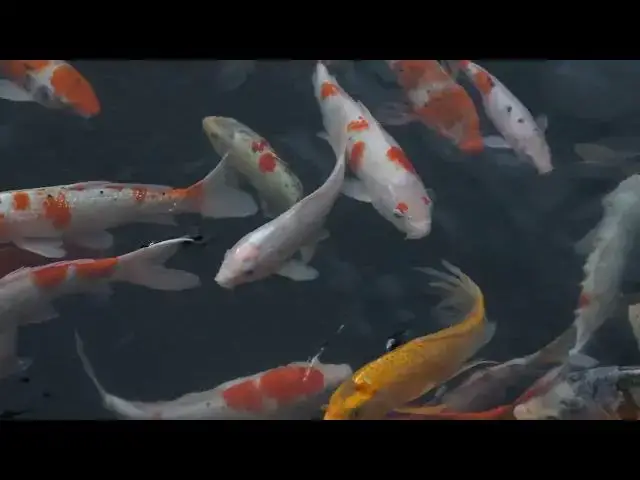
Learn how water temperature affects koi fish health and disease prevention. This video covers optimal temperature ranges, the effects of temperature fluctuations, common temperature-related diseases, and practical tips for maintaining a stable thermal environment in your koi pond.
Show More Show Less View Video Transcript
0:00
KO fish health the impact of water
0:03
temperature water temperature plays a
0:05
crucial role in the health and
0:07
well-being of koi fish understanding and
0:09
managing this vital Factor can mean the
0:12
difference between thriving koi and
0:14
disease prone fish in this video we will
0:17
explore how water temperature affects
0:19
koi fish and its importance in disease
0:22
prevention koi fish are coldblooded
0:25
creatures which means their body
0:27
temperature and Metabolism are directly
0:29
influenced by the water they live in
0:31
when water temperatures are too low COI
0:34
becomes slugish their immune systems
0:36
weaken and they struggle to digest food
0:39
properly conversely when temperatures
0:41
are too high koi become stressed their
0:44
metabolism speeds up and they require
0:46
more oxygen potentially leading to
0:48
various health issues the optimal
0:50
temperature range for koi fish is
0:53
generally between 59 and 77° F within
0:57
this range COI are most active they
1:00
immune systems function optimally and
1:02
they can efficiently digest food however
1:04
it's important to note that koi can
1:06
tolerate a wider range of temperatures
1:09
from about 35 to 90° F but prolonged
1:13
exposure to these extremes can be
1:15
detrimental to their health temperature
1:17
fluctuations can significantly impact
1:19
ao's immune system rapid changes in
1:22
water temperature even within the
1:24
tolerable range can stress the fish and
1:27
compromise their natural defenses this
1:29
stress makes koi more susceptible to
1:32
various diseases and parasitic
1:34
infections gradual temperature changes
1:36
such as those occurring with the seasons
1:38
are less problematic as koi have time to
1:40
adapt several common koi diseases are
1:43
closely linked to water temperature for
1:45
instance when temperatures drop below
1:48
50° F koi are at increased risk of
1:52
developing winter Ulcer Disease this
1:54
bacterial infection takes advantage of
1:56
the fish's weakened immune system in
1:58
colder waters on the other hand
2:00
warmer temperatures above 80° F can lead
2:04
to problems like
2:05
columnaris bacterial infection that
2:08
thrives in warm water and can quickly
2:10
become fatal if left untreated to
2:12
maintain proper water temperature and
2:14
prevent disease Co Pond owners should
2:17
Implement several strategies first
2:19
invest in a reliable Pond thermometer to
2:22
monitor water temperature regularly
2:24
consider installing a pond heater for
2:26
winter months to prevent the water from
2:28
freezing and maintain a aable
2:30
temperature in summer use shade cloths
2:33
or floating plants to reduce direct
2:35
sunlight and prevent overheating ensure
2:38
proper Pond depth ideally at least 4 ft
2:42
to provide a stable thermal environment
2:44
lastly make any necessary temperature
2:47
adjustment gradually to avoid shocking
2:49
the fish in conclusion water temperature
2:52
management is a critical aspect of koi
2:54
fish care and disease prevention by
2:57
maintaining optimal temperatures and
2:59
avoiding r rapid fluctuations koi owners
3:02
can significantly reduce the risk of
3:04
disease and promote the overall Health
3:06
and Longevity of their fish remember a
3:08
stable environment is key to happy
3:10
healthy koi
#Fish & Aquaria
#Fish & Aquaria