Up next in 10


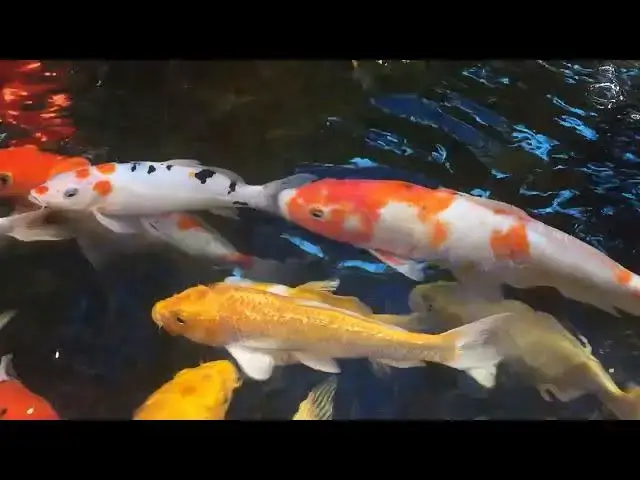
Learn how to identify and treat anchor worms in koi fish. This video covers the signs of infestation, health impacts, removal techniques, chemical treatments, and prevention strategies to keep your koi healthy and vibrant.
Show More Show Less View Video Transcript
0:00
koi fish health spotting and treating
0:02
anchor worms koi fish are beautiful and
0:06
Serene additions to any Pond but these
0:09
colorful creatures can fall victim to a
0:12
particularly nasty parasite known as
0:15
anchor worms in this video we'll explore
0:18
how to identify and treat this common
0:20
problem ensuring your koi remain healthy
0:22
and vibrant Anor worms despite their
0:25
name are not actually worms at all they
0:28
are crustacean parasites that belong to
0:30
the family learn AIA these tiny
0:33
creatures attach themselves to fish
0:35
including koi and can cause significant
0:38
health issues if left untreated
0:40
identifying anchor worms in your koi
0:42
fish is crucial for early intervention
0:45
look for small thread like projections
0:47
on the fish's body fins or gills these
0:50
parasites typically appear as thin white
0:53
or greenish threads about 1 to 3 cm long
0:57
you might also notice your KOA
0:58
scratching against objects in the pond a
1:01
behavior known as flashing this is often
1:04
a sign that the fish is trying to
1:06
dislodge the irritating parasites the
1:08
presence of anchor worms can have severe
1:10
effects on your CO's health and as these
1:13
parasites burrow into the fish's flesh
1:15
they create open wounds that are
1:18
susceptible to secondary infections aoi
1:20
with anchor worms May exhibit decreased
1:23
appetite lethargy and a general decline
1:27
in health in severe cases anchor Anor
1:30
worm infestations can even lead to death
1:32
if left untreated treating anchor worms
1:34
requires a multi-step approach the first
1:37
step is to manually remove visible
1:39
parasites this can be done using
1:41
tweezers gently pulling the anchor worm
1:44
straight out to avoid leaving part of it
1:46
embedded in the fish after removal apply
1:49
an antiseptic to the affected area to
1:51
prevent infection following manual
1:53
removal a chemical treatment is often
1:56
necessary to eliminate any remaining
1:58
parasites products containing diuron or
2:03
luron are effective against anchor worms
2:06
these chemicals work by inhibiting the
2:08
growth of the parasites exoskeleton
2:11
always follow the manufacturer's
2:13
instructions carefully when using these
2:15
treatments and in addition to treating
2:16
the fish it's crucial to address the
2:19
anchor worm problem in the entire pond
2:21
ecosystem this includes treating the
2:24
water and any other fish that may be
2:26
present even if they're not showing
2:28
symptoms a thorough cleaning of the pond
2:31
including removing debris and performing
2:33
a partial water change can help
2:35
eliminate the parasites eggs and Lara
2:38
prevention is key in managing anchor
2:39
worm infestations regular pond
2:42
maintenance including proper filtration
2:44
and water quality management can help
2:46
create an environment less hospitable to
2:49
these parasites quarantining new fish
2:51
before introducing them to your pond is
2:53
also essential as this can prevent the
2:55
introduction of anchor worms and other
2:57
parasites monitoring your Cor toy
3:00
regularly for any signs of distress or
3:02
unusual appearance is crucial early
3:05
detection and treatment of anchor worms
3:07
can significantly improve the chances of
3:09
a full recovery for your fish by
3:11
understanding how to identify and treat
3:12
anchor worms you can ensure that your
3:14
koi remain healthy vibrant and free from
3:17
these Troublesome parasites regular care
3:21
vigilance and prompt action when needed
3:24
will help maintain the beauty and
3:26
serenity of your koi Pon for years to
3:28
come
#Fish & Aquaria
#Fish & Aquaria