Up next in 10

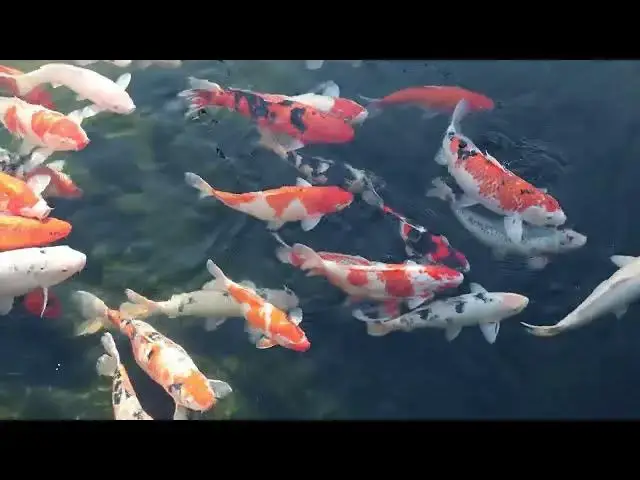
Learn about Epistylis, a protozoan parasite affecting koi fish. This video covers identification, treatment, and prevention of Epistylis infections, emphasizing the importance of water quality and proper pond maintenance for koi health.
Show More Show Less View Video Transcript
0:00
koi fish health managing pistus
0:02
infections koi fish are beautiful and
0:05
beloved additions to many ponds but like
0:08
all living creatures they can fall prey
0:10
to various diseases and parasites one
0:13
such condition that koi owners should be
0:15
aware of is epis stylus this video will
0:18
guide you through understanding
0:21
identifying treating and preventing
0:24
episis infections in your koifish episis
0:27
is a protozoan parasite that attack
0:30
attaches itself to the skin fins and
0:33
gills of chlo fish unlike some other
0:36
parasites a pistolis is not mobile and
0:39
forms colonies that can be visible to
0:41
the naked eye these colonies appear as
0:44
small white fuzzy growths on the fish's
0:47
body often resembling cotton wool or
0:49
small toughs identifying a pistus in
0:52
your koi can be crucial for early
0:55
treatment look for signs such as white
0:57
fuzzy patches on the fish's body
1:00
especially around the mouth fins and
1:02
gills affected KO may also exhibit
1:06
unusual behavior such as rubbing against
1:09
surfaces in the pond loss of appetite or
1:12
lethargy in severe cases you might
1:15
notice rened or inflamed areas where the
1:19
episis colonies have damaged the fish's
1:21
skin episis infections often occur when
1:25
water quality in the pond deteriorates
1:27
high levels of organic waste in quate
1:30
filtration or overcrowding can create
1:33
conditions favorable for pistolis growth
1:36
stress from poor water conditions or
1:38
sudden temperature changes can also make
1:40
coine more susceptible to infection when
1:42
it comes to treating a pistolis the
1:44
first step is always to improve water
1:47
quality perform a partial water change
1:49
of about 20 to 30% ensuring that the new
1:52
water is properly treated and at the
1:54
correct temperature clean your ponds
1:56
filter system and remove any excess
1:58
debris or waste from the bottom of the
2:00
pond salt treatment can be effective
2:03
against episis gradually increase the
2:05
salt concentration in your pond to 0.3%
2:08
over a period of several days this
2:10
concentration is usually safe for koi
2:12
and can help eliminate the parasite
2:14
however always research the salt
2:16
tolerance of any other fish or plants in
2:18
your pond before proceeding for more
2:20
severe infections chemical treatments
2:22
may be necessary formalin and malachite
2:24
green are commonly used to treat
2:26
epistolas these treatments should be
2:28
used with caution and according to the
2:30
manufacturer's instructions as improper
2:32
use can harm your fish it is often best
2:35
to consult with a veterinarian
2:36
specializing in fish health before using
2:39
strong chemical treatments preventing EP
2:41
pistus infections is key to maintaining
2:44
healthy COA regular water testing and
2:47
maintenance are crucial ensure your pond
2:50
has adequate filtration and perform
2:52
regular water changes to keep organic
2:54
waste levels low avoid overcrowding your
2:57
pond as this can lead to stress and poor
3:00
water quality quarantine any new fish
3:03
for at least 2 weeks before introducing
3:05
them to your main Pond this helps
3:07
prevent the introduction of parasites or
3:09
diseases to your existing koi population
3:11
during the quarantine period observe the
3:13
new fish closely for any signs of
3:15
illness or parasitic infection proper
3:18
nutrition also plays a role in disease
3:20
prevention feed your koi a balanced diet
3:23
appr appropriate for their size and the
3:25
water temperature uh well nourished fish
3:29
with a strong immune system is better
3:31
equipped to resist parasitic infections
3:35
in conclusion epistylis can be a
3:37
Troublesome condition for koi fish but
3:40
with proper knowledge and care it can be
3:42
effectively managed and prevented
3:44
regular observation of your fish
3:47
maintaining excellent water quality and
3:49
prompt action at the first sign of
3:51
infection are key to keeping your koi
3:54
healthy and episis free remember a
3:57
healthy Pond environment is the
3:58
foundation of healthy
4:00
happy k
#Fish & Aquaria
#Fish & Aquaria