Up next in 10


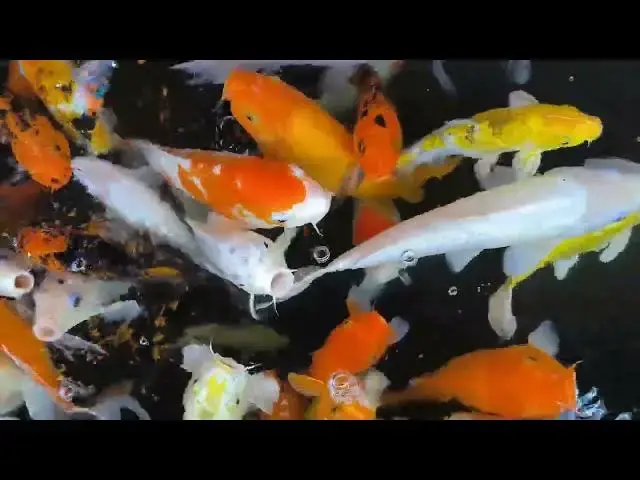
Learn how to spot, treat, and prevent gill necrosis in koi fish. This video covers the causes, symptoms, and treatment options for this serious condition, including water quality management, medication, and preventive measures to keep your koi healthy.
Show More Show Less View Video Transcript
0:00
coish Health identifying and treating
0:02
Gil necrosis Gil necrosis is a serious
0:06
condition that can affect COA fish
0:08
potentially leading to severe health
0:10
issues and even death if left untreated
0:13
this video will guide you through the
0:16
process of identifying treating and
0:19
preventing Gil necrosis in your koi Gil
0:22
necrosis occurs when the delicate tissue
0:25
of a koise gills begins to die this
0:27
condition can be caused by various
0:29
factors
0:30
including poor water quality bacterial
0:33
infections parasitic infestations or
0:36
physical injuries overring in ponds and
0:39
high levels of ammonia or nitrites in
0:41
the water are common environmental
0:43
triggers for Gil necrosis identifying
0:45
Gil necrosis early is crucial for
0:48
successful treatment look for signs such
0:50
as Rapid or labored breathing gasping at
0:53
the water surface or fish spending more
0:55
time near airstones or water inlets upon
0:57
closer inspection you may notice Ren
1:00
swollen or pale gills in advanced cases
1:04
you might see white or grayish patches
1:06
on the gills indicating areas of dead
1:08
tissue when treating koi with Gil
1:10
necrosis the first step is to improve
1:12
water quality perform a partial water
1:15
change of about 30 to 50% and ensure
1:18
your filtration system is working
1:19
efficiently test the water for ammonia
1:22
nitrites and pH levels and adjust as
1:26
necessary next isolate the affected fish
1:29
in a corn quarantine tank if possible
1:31
this prevents the spread of any
1:33
potential infections and allows for more
1:35
targeted treatment in in the quarantine
1:38
tank maintain excellent water quality
1:41
and increased duration to help the fish
1:44
breathe more easily antibacterial
1:46
treatments are often necessary to combat
1:48
Gil necrosis broad spectrum antibiotics
1:51
like oxy tetracycline or romyen can be
1:54
effective always follow the
1:56
manufacturer's dosage instructions
1:58
carefully for parasitic causes
2:00
appropriate anti-parasitic medications
2:02
should be administered salt baths can
2:04
also be beneficial in treating Dil
2:06
necrosis use aquarium salt at
2:08
concentration of
2:10
0.3% which is about 3 tpoon per gallon
2:13
of water this helps reduce osmotic
2:15
stress on the fish and can Aid in
2:18
sloping off damage deal tissue in severe
2:20
cases Veterinary intervention may be
2:22
necessary a fish veterinarian can
2:24
perform a gill biopsy to determine the
2:27
exact cause and prescrib targeted
2:29
treatments prevention is key in managing
2:31
Gil necrosis maintain excellent water
2:34
quality by performing regular water
2:36
changes avoiding overfeeding and not
2:40
overstocking your pond install a
2:42
reliable filtration system and test your
2:46
water parameters frequently quarantine
2:48
new fish before introducing them to your
2:50
main Pond to prevent the introduction of
2:53
pathogens regularly observe your koi for
2:56
any signs of distress or unusual
2:58
behavior as early protection of Gil
3:00
necrosis greatly improves the chances of
3:02
successful treatment Gil necrosis is a
3:05
serious condition but with proper care
3:07
and Swift action it can be effectively
3:10
managed by maintaining a healthy
3:12
environment for your koi and staying
3:14
vigilant for signs of illness you can
3:16
ensure your fish remain healthy and
3:17
vibrant for years to come remember the
3:20
key to successful koi keeping is
3:22
prevention observation and prompt action
3:26
when issues arise
#Fish & Aquaria
#Fish & Aquaria