Up next in 10


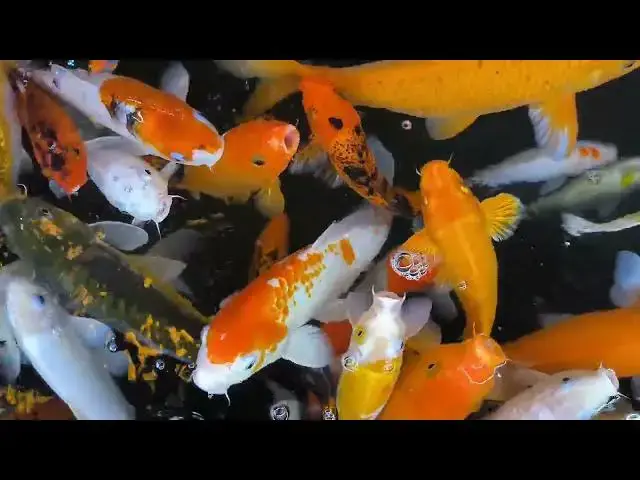
Learn how to spot, treat, and prevent Viral Hemorrhagic Septicemia (VHS) in Koi fish. This video covers symptoms, diagnosis, treatment options, and essential prevention strategies to protect your Koi pond from this serious disease.
Show More Show Less View Video Transcript
0:00
koish Health identifying and managing
0:03
this viral hemorrhagic septicemia or
0:07
these is a serious disease that can
0:09
affect koi fish potentially leading to
0:12
significant losses in both ornamental
0:15
and Commercial populations this video
0:17
will guide you through the process of
0:19
identifying treating and preventing VES
0:22
in your Koon this is caused by a highly
0:25
contagious virus that attacks the blood
0:27
vessels of infected fish recognizing the
0:29
symptoms early is crucial for effective
0:32
treatment look out for signs such as
0:34
darkening of the skin bulging eyes pale
0:36
gills and bleeding around the eyes fins
0:39
and gills infected koi may also exhibit
0:42
erratic swimming Behavior lethargy or a
0:46
loss of appetite diagnosing the requires
0:48
Laboratory Testing if you suspect your
0:51
Co might be infected it's essential to
0:53
contact a veterinarian specializing in
0:56
fish health immediately they will take
0:58
samples from your fish and send them to
1:00
a certified laboratory for analysis
1:03
quick action is vital as early detection
1:06
can significantly improve the chances of
1:08
successful treatment unfortunately there
1:10
is no cure for v's and treatment options
1:13
are limited the primary focus is on
1:16
supportive care to help infected fish
1:19
fight off the virus this includes
1:21
maintaining excellent water quality
1:24
providing optimal nutrition and reducing
1:27
stress in the environment in some cases
1:29
vet veterinarians May prescribe
1:31
antibiotics to prevent secondary
1:33
bacterial infections that can occur when
1:36
fish are weakened by the virus
1:38
prevention is key when it comes to Beast
1:41
Implement strict biocurity measures to
1:43
protect your coate this includes
1:45
quarantining new fish for at least four
1:47
weeks before introducing them to your
1:48
main Pond during quarantine closely
1:51
monitor the fish for any signs of
1:53
illness and perform regular water
1:55
quality tests proper quarantine
1:57
procedures are essential set up a separ
2:00
tank or Pond for new arrivals ensuring
2:02
it has its own filtration system and
2:04
Equipment this isolation period allows
2:06
you to observe the fish for any signs of
2:09
disease without risking the health of
2:11
your existing koi population maintaining
2:14
excellent water quality is crucial in
2:17
preventing and managing V regularly test
2:21
your pond water for ammonia nitrate
2:24
nitrate and K8 levels ensure your
2:27
filtration system is adequate for the
2:29
size of your pond and the number of fish
2:31
perform partial water changes regularly
2:34
to remove waste and replenish essential
2:37
minerals to further protect your koi
2:40
avoid overcrowding in your pond
2:42
overstocking can lead to stress and poor
2:45
water quality making fish more
2:47
susceptible to diseases like these
2:49
provide adequate space and hiding spots
2:51
for your koi to reduce stress and
2:53
promote natural behaviors in the event
2:55
of a VF outbreak it's crucial to act
2:58
quickly removing any dead or severely
3:01
ill fish promptly to prevent the spread
3:03
of the virus disinfect all equipment
3:05
used in the affected Pond and consider
3:08
treating the entire system with approved
3:10
fish safe disinfectants under the
3:12
guidance of a fish health professional
3:14
by understanding the science of va
3:16
implementing strong prevent measures and
3:19
maintaining optimal living conditions
3:20
for your koi you can significantly
3:23
reduce the risk of this devastating
3:25
disease remember early detection and
3:27
Swift action are key to managing V and
3:30
protecting the health of your beloved KO
3:33
fish
#Veterinarians
#Fish & Aquaria
#Fish & Aquaria
#Biological Sciences
#Other