Up next in 10


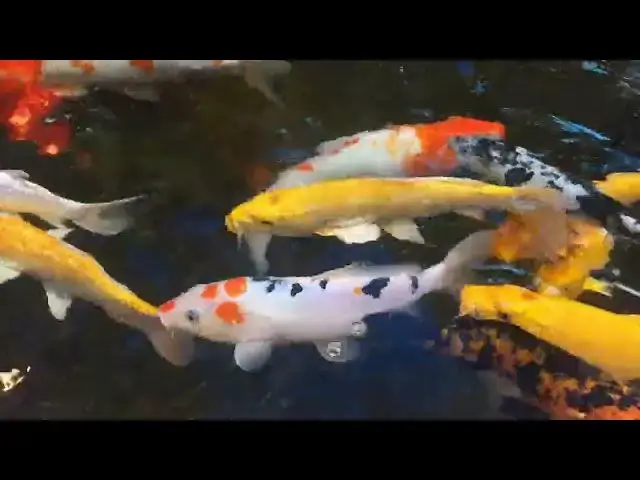
Learn how water quality impacts koi fish growth and health. This video covers key water parameters, filtration, maintenance, and tips for creating an optimal environment for your koi to thrive and reach their full size potential.
Show More Show Less View Video Transcript
0:00
koi fish growth the importance of water
0:02
quality koi fish with their vibrant
0:05
colors and graceful movements have
0:08
captivated Pond enthusiasts for
0:10
centuries these living Jewels can Thrive
0:12
and grow to impressive sizes but their
0:15
success depends heavily on one crucial
0:18
Factor water quality in this video we
0:21
will explore the vital role that water
0:24
quality plays in the growth and
0:25
development of koi fish water quality is
0:28
the foundation of a healthy the koi pond
0:30
ecosystem it directly affects the fish's
0:33
ability to breathe eat and grow poor
0:36
water quality can lead to stress disease
0:40
and stunted growth while optimal
0:43
conditions promote robust health and
0:45
impressive size gains several key
0:47
parameters Define water quality for koi
0:50
first is e e which measures the acidity
0:53
or alkalinity of the water COA thrive in
0:56
a PH range of 6.5 to 8.5 outside this
1:01
range their bodily functions can be
1:03
compromised affecting growth and overall
1:05
health ammonia nitrate and nitrate
1:08
levels are also critical ammonia a toxic
1:12
byproduct of fish waste should be kept
1:14
at zero parts per million nitrite
1:17
another harmful compound should also be
1:19
maintained at zero nitrate less toxic
1:23
but still problematic and high
1:24
concentrations should be kept below 40
1:27
parts per million dissolved oxygen is
1:29
aen ential for koi respiration and
1:31
Metabolism levels should be maintained
1:34
above 6 mg per liter lower oxygen levels
1:37
can slow growth and make koi more
1:40
susceptible to disease that water
1:42
temperature plays a significant role in
1:44
koi growth these fish are most active
1:47
and grow fastest in water temperatures
1:50
between 71 and 79° F outside this range
1:55
their metabolism slows reducing food
1:58
intake and growth rate a robust
2:00
filtration system is crucial for
2:02
maintaining Water Quality Mechanical
2:04
filters remove Solid Waste while
2:07
biological filters convert harmful
2:09
ammonia into less toxic compounds proper
2:11
filtration helps create a stable
2:13
environment conducive to koi growth
2:16
regular maintenance and water testing
2:17
are essential weekly water changes of 10
2:20
to 15% help dilute accumulated
2:23
pollutants the testing water parameters
2:25
regularly allows for early detection and
2:27
correction of any issues before they
2:29
impact koi health and growth poor water
2:31
quality can have severe consequences for
2:34
koi High ammonia or nitrite levels can
2:37
cause gild damage reducing the fish's
2:40
ability to absorb oxygen this stress can
2:42
lead to decreased appetite weakened
2:46
immune systems and stunted growth in
2:49
extreme cases it can be fatal to improve
2:52
and maintain optimal water quality
2:54
consider these tips first avoid
2:57
overfeeding as excess food contributes
2:59
to to water pollution second ensure
3:02
proper stocking levels to prevent
3:04
overcrowding third maintain your
3:06
filtration system regularly lastly use
3:10
beneficial bacteria products to help
3:12
establish and maintain a healthy
3:14
biological balance in your pond in
3:17
conclusion water quality is the
3:19
Cornerstone of successful koi keeping by
3:21
maintaining optimal water conditions you
3:24
provide your koi with the best
3:26
environment to reach their full growth
3:28
potential remember healthy water leads
3:30
to healthy vibrant and fast growing koi
3:34
turning your pond into a thriving
3:36
ecosystem of Living Art
#Fish & Aquaria
#Fish & Aquaria
#Aquaculture