0:00
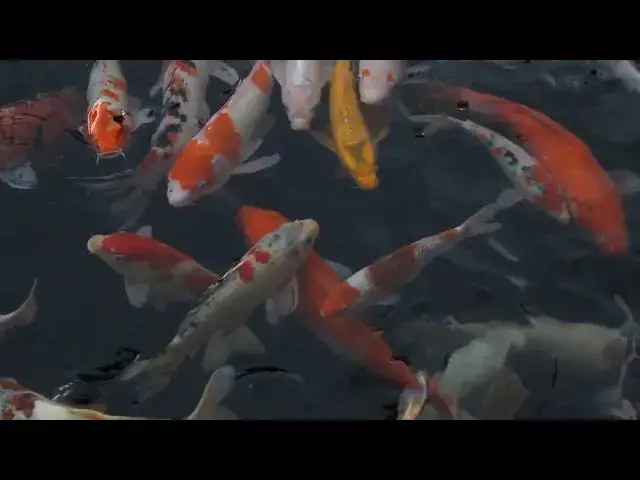
winter koi care why reducing feeding is
0:02
essential koi fish are beautiful and
0:05
beloved aquatic pets but their care
0:08
changes significantly as the seasons
0:10
shift today we're focusing on a crucial
0:13
aspect of koi Health the importance of
0:16
reducing feeding in Winter and as
0:17
temperatures drop uh koi's metabolism
0:20
slows down dramatically these
0:22
coldblooded creatures become less active
0:24
and require far less energy to survive
0:27
in fact when water temperatures fall
0:29
below 10 ° C koi enter a state of semih
0:33
hibernation their digestive system
0:35
nearly shuts down making it difficult
0:37
for them to process food efficiently
0:39
overfeeding koi during winter months can
0:41
lead to serious health problems uneaten
0:43
food can quickly pollute the pond
0:46
decreasing water quality and potentially
0:48
harming the fish more critically any
0:51
food that koi do eat during this time
0:53
may not be properly digested this can
0:55
cause the food to rot in their stomachs
0:57
leading to bacterial infections and
1:00
potentially fatal health issues so how
1:02
should you adjust your feeding routine
1:04
for winter when water temperatures drop
1:06
below 15° C start reducing the amount
1:09
and frequency of feeding once the water
1:12
temperature reaches 10° C it's best to
1:14
stop feeding altogether the koi can
1:16
survive for months without food and cold
1:19
water relying on fat reserves they built
1:21
up during warmer months if you live in
1:24
an area where winter temperatures
1:25
fluctuate you might experience some
1:28
warmer days on these occasion iions if
1:30
the water temperature rises above 10° C
1:34
for a few consecutive days you can offer
1:36
a small amount of low protein easily
1:39
digestible food however be cautious and
1:42
only feed a tiny portion that the fish
1:45
can consume within 5 minutes while
1:47
adjusting feeding is crucial there are
1:50
other important aspects of winter Co I
1:52
care to consider ensure your pond has an
1:55
area deep enough for koi to retreat to
1:57
during the coldest weather I ideally at
2:00
least 4 ft deep keep a section of the
2:03
pond surface free from Ice to allow for
2:05
proper gas exchange this can be achieved
2:07
using a pond heater or airator reducing
2:10
feeding in Winter might seem
2:12
counterintuitive but it's one of the
2:13
best things you can do for your koise
2:15
health by aligning your care routine
2:17
with their natural biological rhythms
2:20
you're helping to ensure they remain
2:22
healthy throughout the cold months and
2:24
merge strong and vibrant in Spring
2:26
remember proper winter care including
2:28
appropriate feeding practices
2:30
is key to maintaining a thriving koi
2:32
population year after year by respecting
2:35
their winter slowdown your setting the
2:38
stage for many more years of enjoyment
2:40
with your beautiful Koi