live_tv
Livestream Starting Soon
00
Hours
:
00
Minutes
:
00
Seconds
Up next in 10


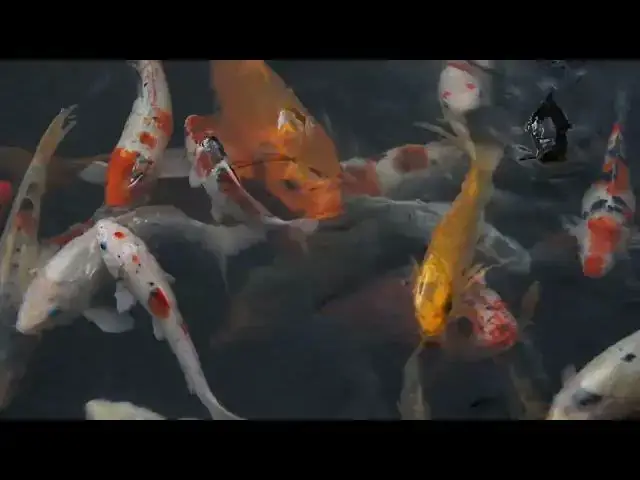
Learn about the crucial role of water quality in koi fish breeding. This video covers essential parameters like pH, ammonia levels, and temperature, and provides practical tips for maintaining optimal conditions. Discover how proper water management can lead to healthier koi and more successful breeding outcomes.
Show More Show Less View Video Transcript
0:00
water quality the key to successful koi
0:03
fish breeding koi fish with their
0:06
vibrant colors and graceful movements
0:09
have captivated fish enthusiasts for
0:11
centuries these living jewels of the
0:13
pond are not just beautiful to look at
0:15
but also represent a significant
0:17
investment for breeders and collectors
0:19
alike at the heart of successful koid
0:22
breeding lies a crucial factor that can
0:24
make or break your efforts water quality
0:27
water quality is the Cornerstone of koi
0:29
heal growth and reproduction it directly
0:33
impacts every aspect of a CO's life from
0:37
their ability to resist diseases to
0:39
their potential for developing Rich
0:41
Vivid colors for breeders maintaining
0:45
optimal water conditions is not just a
0:47
best practice it is an absolute
0:49
necessity for producing highquality
0:51
Offspring and ensuring the longevity of
0:53
their breeding stock several key
0:55
parameters Define water quality for koi
0:58
these include pH levels ammonia nitrate
1:01
and nitrate concentrations dissolved
1:03
oxygen and water temperature each of
1:05
these factors plays a vital role in the
1:07
overall health and well-being of koi
1:09
fish the pitch level of the water should
1:12
ideally be maintained between 7.2 and
1:15
8.2 this slightly alkaline range minic
1:18
the natural habitat of koi and supports
1:20
their physiological processes ammonia
1:23
and nutrite levels should be kept as
1:26
close to zero as possible as these
1:28
compounds are highly toxic xic to fish
1:30
nitrate while less harmful should be
1:33
kept below 50 parts per million to
1:37
prevent stress on the koi dissolved
1:39
oxygen is critical for koi survival and
1:42
breeding success levels should be
1:44
maintained above 6 mg per liter with
1:47
higher levels being beneficial during
1:49
warmer months or in densely populated
1:52
ponds water temperature also plays a
1:54
significant role particularly in
1:56
breeding koi typically spawn when water
1:59
temperatures reach between 65 and 75° F
2:03
poor water quality can have devastating
2:06
effects on koi health and breeding
2:07
efforts High ammonia or nutrite levels
2:10
can cause Gill damage impair growth and
2:13
even lead to death suboptimal PF levels
2:16
can stress the fish making them more
2:18
susceptible to diseases and parasites
2:20
low oxygen levels can hinder metabolism
2:23
and reproduction while fluctuating
2:25
temperatures can disrupt breeding cycles
2:27
and egg development to maintain optimal
2:29
water quality koi breeders must
2:32
Implement a comprehensive management
2:34
strategy this includes regular water
2:37
testing efficient filtration systems and
2:40
proper pond maintenance water should be
2:42
tested at least weekly for all key
2:45
parameters with more frequent testing
2:47
during breeding Seasons or when
2:49
introducing new fish filtration is a
2:51
critical component of water quality
2:53
management uh well-designed systems
2:57
should include mechanical biolog iCal
3:00
and chemical filtration to remove Solid
3:03
Waste convert harmful ammonia and
3:05
nitrites and balanced water chemistry
3:08
regular cleaning and maintenance of
3:10
filters are essential to ensure their
3:12
effectiveness proper feeding practices
3:15
also contribute to water quality
3:17
overfeeding can lead to excess waste and
3:20
nutrient buildup straining the
3:22
filtration system and potentially
3:24
leading to water quality issues breeders
3:26
should feed only what the koi can
3:28
consume within a few minutes and adjust
3:30
feeding based on water temperature and
3:32
fish activity water changes are another
3:34
vital aspect of maintaining water
3:36
quality partial water changes of 10 to
3:39
20% weekly can help dilute accumulated
3:42
pollutants and replenish essential
3:45
minerals however it's crucial to ensure
3:48
that the new water is properly treated
3:50
and temperature match to avoid shocking
3:53
the fish various tools and techniques
3:56
can Aid in water quality management
3:58
digital test kits provide quick and
4:00
accurate readings of water parameters
4:02
automatic feeders can help regulate food
4:05
input while air pumps and diffusers can
4:07
boost oxygen levels ugly sterilizers can
4:10
help control algae growth and reduce the
4:13
risk of waterborne pathogens in
4:15
conclusion the importance of water
4:17
quality in koi fish breeding cannot be
4:20
overstated it forms the foundation upon
4:23
which all other aspects of koi health
4:25
and reproduction are built by
4:27
maintaining optimal water conditions
4:29
through regular testing efficient
4:32
filtration and proper Pond management
4:35
breeders can create an environment where
4:37
KOIN not only survive but Thrive this
4:40
attention to water quality will result
4:42
in healthier fish more successful
4:45
breeding and ultimately the production
4:47
of the stunning highquality koi that
4:50
enthusiasts and collectors cherish
#Pets & Animals
#Pets & Animals
#Fish & Aquaria