Up next in 10


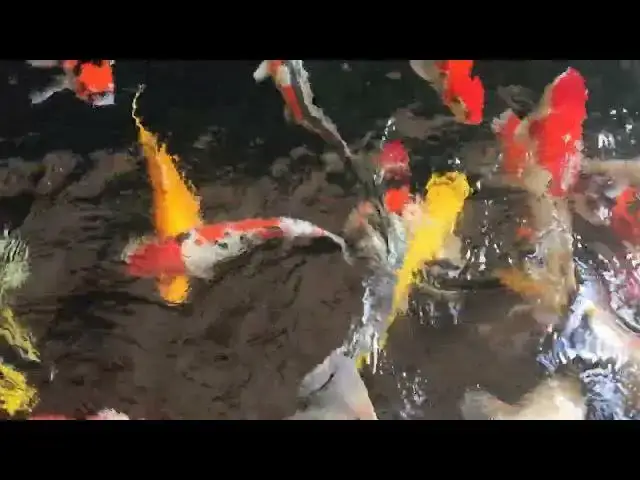
Learn how different seasons affect koi pond water quality and what steps you can take to maintain a healthy environment for your fish year-round. This video covers the challenges and solutions for spring, summer, autumn, and winter pond care.
Show More Show Less View Video Transcript
0:00
seasonal changes in Koi pond water
0:02
quality Koons are living ecosystems that
0:04
transform with the passing Seasons
0:07
creating a dynamic and Ever Changing
0:10
aquatic environment these changes while
0:13
beautiful to observe have a significant
0:16
impact on the water quality that koi
0:18
fish depend on for their health and
0:20
well-being understanding how seasonal
0:22
shifts affect pond water is crucial for
0:25
any koi keeper who wants to maintain a
0:27
thriving Pond throughout the year water
0:30
quality is the foundation of koi Health
0:32
it affects everything from the fish's
0:34
ability to breathe to their immune
0:36
system function poor water quality can
0:38
lead to stress disease and even death in
0:42
koi populations as the seasons change so
0:45
do the challenges that pond owners face
0:47
in maintaining optimal conditions for
0:49
their Finn friends let us begin with
0:51
spring a time of renewal and increased
0:54
activity as temperatures rise koi become
0:57
more active consuming more food F and
1:00
producing more waste this increase in
1:02
organic matter can lead to a spike in
1:04
ammonia and nitrite levels potentially
1:07
harmful to fish the warming water also
1:09
encourages algae growth which can
1:11
deplete oxygen levels especially at
1:14
night spring rain can wash additional
1:16
nutrients into the pond further fueling
1:18
algae blooms summer brings its own set
1:21
of challenges higher temperatures reduce
1:23
the water's ability to hold dissolved
1:25
oxygen a critical element for koi
1:27
survival the metabolism of koi increases
1:30
with warmer water meaning they require
1:32
more oxygen precisely when it is less
1:34
available algae growth reaches its peak
1:36
during summer potentially leading to
1:39
wide swings in pH levels between day and
1:41
night evaporation becomes a significant
1:44
factor concentrating dissolved solids in
1:47
the water and potentially stressing the
1:49
fish as Autumn arrives Falling Leaves
1:52
can significantly impact water quality
1:55
if left unchecked decomposing plant
1:57
matter consumes oxygen and releases
1:59
tannin
2:00
which can lower pH levels and discolor
2:02
the water the cooling temperatures slow
2:04
down beneficial bacteria that help break
2:06
down waste potentially leading to an
2:09
accumulation of harmful compounds
2:12
koi begin to slow down their metabolism
2:15
requiring less food but still needing
2:17
clean well oxygenated water winter
2:21
presents unique challenges for koi pons
2:24
ice formation can trap gases produced by
2:26
decomposition leading to potentially
2:29
toxic condition
2:30
the cold water slows down the biological
2:32
filtration process almost to a halt
2:35
meaning any waste produced is not
2:37
processed as efficiently while Ko's
2:39
metabolism slows significantly they
2:42
still require some oxygen and clean
2:44
water to survive the winter months to
2:46
maintain water quality throughout these
2:48
seasonal changes koi Keepers must adapt
2:51
their care routines in Spring gradual
2:53
feeding increases and regular water
2:55
testing are essential installing or
2:58
upgrading filtration systems can help
3:00
manage the increased waste production
3:02
summer care focuses on maintaining
3:04
oxygen levels through aeration and
3:06
possibly reducing feeding during the
3:08
hottest periods providing shade can help
3:10
control water temperature and algae
3:12
growth Autumn maintenance should include
3:15
diligent removal of fallen leaves and
3:18
adjusting feeding to match the slowing
3:20
metabolism of the Quai preparing the
3:22
pond for winter is crucial potentially
3:25
involving the installation of a de acre
3:27
to maintain a small ice free area for
3:30
gas exchange throughout the year regular
3:32
water changes help dilute accumulated
3:35
pollutants and replenish essential
3:37
minerals monitoring key water parameters
3:39
is a year round task temperature claw
3:43
ammonia nitrite and dissolved oxygen
3:46
levels should be checked regularly with
3:49
the frequency increasing during times of
3:51
Rapid change like spring and fall
3:53
keeping detailed records can help
3:55
identify Trends and potential problems
3:57
before they become serious the impact of
4:00
seasonal changes on koi Pon water
4:02
quality is profound and multifaceted by
4:05
understanding these changes and how they
4:07
affect the delicate balance of the pond
4:09
ecosystem coak Keepers can take
4:11
proactive steps to ensure their fish
4:13
remain healthy and vibrant throughout
4:15
the year adapting care routines to the
4:17
rhythm of the seasons is not just a
4:20
responsibility but an art form that
4:22
allows us to create harmonious aquatic
4:24
environments that thrive in every season
#Pets & Animals
#Pets
#Fish & Aquaria