Up next in 10


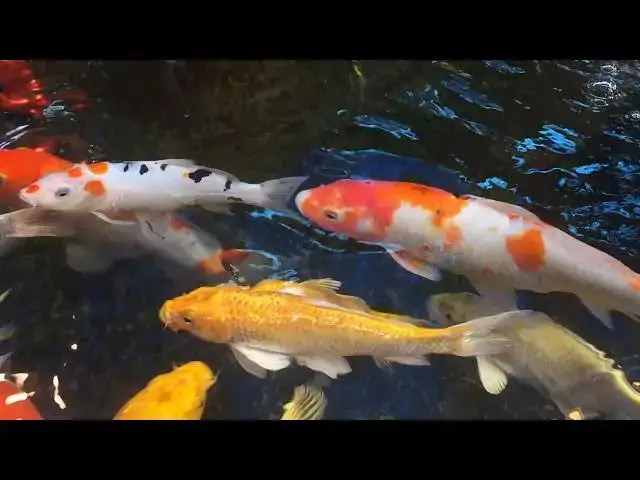
Learn how to identify, treat, and prevent Carp Edema Virus (CEV) in koi fish. This video covers the symptoms of koi sleepy disease, diagnosis methods, treatment options, and essential prevention strategies to keep your koi healthy and thriving.
Show More Show Less View Video Transcript
0:00
protecting your koi identifying and
0:02
managing carp edema virus carp edema
0:05
virus also known as kevi is a serious
0:08
threat to koi fish populations worldwide
0:11
this potentially fatal disease can
0:14
devastate entire koi ponds if left
0:16
unchecked in this video we will explore
0:19
how to identify treat and prevent sey in
0:22
your KO fish equipping you with the
0:24
knowledge to protect your AC quiet pets
0:26
SE primarily affects koi and common car
0:29
causing a condition known as koi sleepy
0:32
disease the virus targets the gills and
0:34
skin of infected fish leading to a range
0:37
of distinctive symptoms recognizing
0:40
these signs early is crucial for
0:42
successful treatment and preventing the
0:44
spread of the virus the most noticeable
0:46
symptom of CV is lethargy infected koi
0:49
may appear sluggish often lying at the
0:52
bottom of the pond or hanging just below
0:54
the water surface they might also show a
0:56
lack of appetite and become unresponsive
0:58
to stimuli as the diseas progresses you
1:01
may observe swelling of the gills which
1:03
can cause the fish to gasp for air at
1:05
the water surface other visible signs
1:07
include sunkin eyes pale or discolored
1:10
patches on the skin and excess mucous
1:13
production in severe cases koi May
1:15
develop ulcers or experience fin rot it
1:18
is important to note that these symptoms
1:20
can vary in intensity and may not all be
1:23
present in every infected fish seed is
1:26
highly contagious and spreads rapidly
1:29
through water the virus can be
1:30
introduced to a pond through new
1:33
infected fish or contaminated equipment
1:36
stress factors such as poor water
1:38
quality overcrowding and sudden
1:41
temperature changes can increase the
1:43
susceptibility of koi to CV infection
1:46
the disease is particularly prevalent in
1:48
Spring and Autumn when water
1:49
temperatures range between 10 and 15° C
1:53
diagnosing SE requires more than just
1:55
observing symptoms if you suspect your
1:58
koi might be infected it is crucial to
2:00
consult a veterinarian specializing in
2:03
fish health they may perform a physical
2:05
examination and collect Gill or skin
2:07
samples for Laboratory Testing
2:09
polymerase Chain Reaction or CR tests
2:13
are commonly used to confirm the
2:15
presence of the virus treatment for CV
2:18
infected koi focuses on supportive care
2:21
and managing symptoms while the fish's
2:23
immune system fights the virus raising
2:26
the water temperature to around 24 to
2:29
25° CSUS can help boost the koi's immune
2:32
response and reduce viral replication
2:35
however this should be done gradually to
2:37
avoid additional stress improving water
2:39
quality is essential during treatment
2:42
regular water changes proper filtration
2:45
and maintaining optimal oxygen levels
2:48
can significantly Aid recovery in some
2:51
cases veterinarians May recommend salt
2:53
bads or the use of broadspectrum
2:55
antibiotics to prevent secondary
2:58
bacterial infections sever severely
3:00
affected fish may need to be isolated in
3:03
a quarantine tank for intensive care and
3:06
to prevent the spread of the virus to
3:08
healthy koi it is crucial to handle
3:10
infected fish gently and maintain strict
3:13
biocurity measures to avoid
3:15
cross-contamination prevention is always
3:17
better than cure when it comes to Sal
3:19
implementing a quarantine protocol for
3:21
new fish is one of the most effective
3:23
ways to prevent the introduction of the
3:25
virus to your pond new COA should be
3:27
kept in a separate system for at least 4
3:30
weeks while monitoring for any signs of
3:32
disease maintaining excellent water
3:34
quality avoiding overcrowding and
3:37
providing a balanced diet are key
3:39
factors in keeping your koi healthy and
3:42
resistant to infections regular health
3:44
checks and prompt action at the first
3:46
sign of illness can make a significant
3:48
difference in managing sevy outbreaks
3:51
educating yourself about proper COI care
3:54
and staying informed about common
3:55
diseases like CV is crucial for any koi
3:58
enthusiast by understanding the signs of
4:01
carp edema virus knowing how to respond
4:03
and implementing preventive measures you
4:06
can ensure the Health and Longevity of
4:08
your koi fish remember early detection
4:10
and Swift action are your best allies in
4:13
combating this challenging disease and
4:15
maintaining a thriving KO pond
#Fish & Aquaria
#Fish & Aquaria