Up next in 10


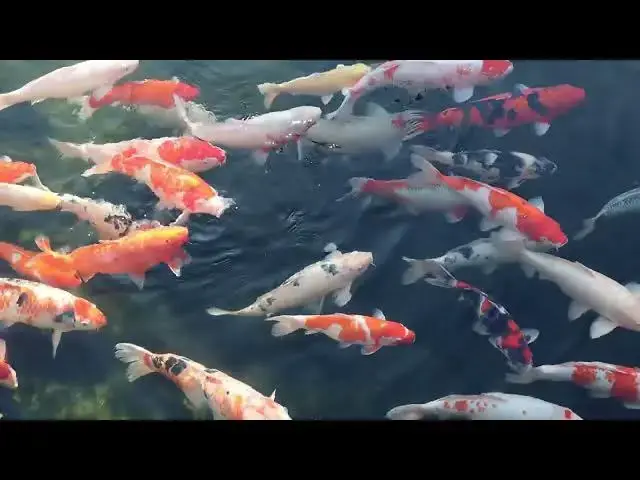
Learn effective methods to safeguard koi eggs from predators and increase their survival rate. This video covers natural protection, physical barriers, water quality management, and monitoring techniques to ensure a thriving koi population in your pond.
Show More Show Less View Video Transcript
0:00
protecting koi fish eggs essential
0:02
strategies for survival koi fish are
0:04
prized for their beauty and Grace but
0:07
ensuring the survival of their offspring
0:09
can be challenging protecting koi eggs
0:12
from predators is crucial for
0:14
maintaining a healthy and thriving koi
0:17
population in this video we will explore
0:20
effective methods to safeguard your koi
0:22
eggs and increase their chances of
0:24
survival before we dive into protection
0:26
strategies it is important to understand
0:29
the common predators that pose a threat
0:31
to koi eggs these include other fish in
0:34
the pond particularly male koi as well
0:37
as frogs mutes and various aquatic
0:39
insects birds such as herons and King
0:42
Fishers can also be a significant threat
0:45
even some mammals like raccoons or
0:46
muskrats May prey on KO eggs if given
0:49
the opportunity one of the most natural
0:51
ways to protect KO eggs is to mimic
0:53
their native environment in the wild
0:56
coat their eggs and dense vegetation you
0:58
can recreate this in your pond by
1:00
providing plenty of aquatic plants water
1:03
lies corn wart and water hin not only
1:07
offer hiding spots for the eggs but also
1:09
improve water quality additionally
1:12
floating plants can provide shade which
1:14
is beneficial for egg development
1:17
physical barriers are another effective
1:19
method to protect koi eggs spawning mops
1:22
which are synthetic fiber bunches that
1:24
resemble plants can be placed in the
1:26
pond for koi to lay their eggs on these
1:28
can then be easily removed and placed in
1:31
a separate protected environment
1:33
alternatively you can use spawning boxes
1:36
or cages these structures allow water to
1:39
flow through but keep Predators out make
1:42
sure these devices are securely anchored
1:44
and regularly clean to prevent fungal
1:46
growth maintaining excellent water
1:49
quality is crucial for the survival of
1:52
koi eggs ensure proper filtration and
1:55
eration in your pond the ideal water
1:57
temperature for koi breeding is between
2:00
68 and 74° F pay levels should be
2:06
maintained between 70 and 8.0 regular
2:10
water testing and adjustments will
2:11
create an optimal environment for egg
2:13
development while discouraging some
2:15
predators creating designated breeding
2:17
areas can also help protect koi eggs
2:20
these can be separate sections of the
2:21
pond or even temporary pools set up
2:23
during breeding season these areas
2:26
should be shallow well planted and
2:29
ideally covered with netting to keep out
2:31
aerial Predators if using a separate
2:33
breeding pool make sure to use water
2:35
from the main Pond to maintain familiar
2:38
water conditions for the co constant
2:40
monitoring is key to successful egg
2:42
protection regularly check your
2:45
protection measures to ensure they
2:47
remain effective look for signs of
2:49
Predator activity and adjust your
2:50
strategies as needed during the breeding
2:52
season increase the frequency of your
2:54
pond checks if you notice any eggs that
2:57
appear to be infected or damaged remove
2:59
moove them promptly to prevent the
3:01
spread of disease in conclusion
3:04
protecting koi fish eggs from predators
3:07
requires a multifaceted approach by
3:09
combining natural protection methods
3:12
physical barriers water quality
3:14
management and Vigilant monitoring you
3:16
can significantly increase the survival
3:19
rate of your koi eggs remember
3:21
consistency in your protection efforts
3:23
is crucial with proper care and
3:25
attention you can ensure a new
3:26
generation of beautiful Koi for your
3:28
pond
#Fish & Aquaria
#Fish & Aquaria