Up next in 10


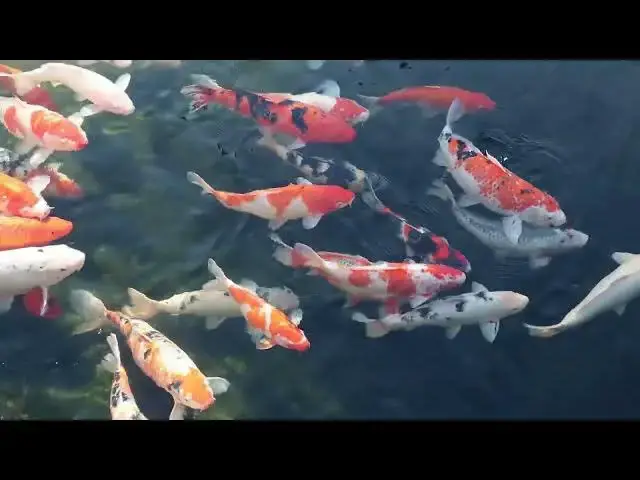
Learn effective strategies for feeding koi fish while minimizing the risk of attracting predators to your pond. This video covers optimal feeding times, locations, food types, and quantities, as well as additional protective measures to keep your koi safe and well-nourished.
Show More Show Less View Video Transcript
0:00
protect your koi smart feeding
0:02
techniques to deter Predators koi fish
0:04
are beautiful and Serene additions to
0:07
any Pond but feeding them can
0:09
inadvertently attract unwanted Predators
0:12
this video will guide you through the
0:14
best practices for feeding your koi
0:16
while minimizing the risk of attracting
0:18
predators to your pond Predators such as
0:21
herons raccoons and even neighborhood
0:24
cats are often drawn to Koi pond by the
0:27
sight and smell of fish food these
0:29
opportunistic animals can pose a
0:31
significant threat to your prize koi
0:33
however with the right feeding
0:35
techniques you can keep your fish well
0:37
fed and safe first let's talk about
0:39
timing feed your koi during daylight
0:41
hours when they're most active and when
0:43
you can monitor the feeding process
0:45
avoid feeding at dawn or dusk as these
0:48
are prime hunting times for many
0:50
predators stick to a consistent feeding
0:52
schedule typically 2 to three times a
0:55
day during warm months and reduce
0:57
frequency in Colder Weather when koi
0:59
metab AB ISM slows down the location
1:01
where you feed your koi is crucial
1:03
choose a feeding spot that offers some
1:05
cover such as near lily pads or other
1:08
aquatic plants this gives your koi a
1:10
Quick Escape Route if they sense danger
1:13
avoid feeding in open exposed areas of
1:17
the pond where Predators can easily spot
1:20
the fish when it comes to the amount of
1:22
food less is often more overfeeding not
1:25
only pollutes the water but also
1:27
increases the likelihood of leftover
1:30
food attracting Predators offer only as
1:33
much food as your koi can consume in
1:35
about 5 minutes this prevents excess
1:37
food from lingering in the water and
1:40
potentially drawing unwanted attention
1:42
to your pond the type of food you use
1:44
matters too opt for high quality sinking
1:47
pellets rather than floating food
1:49
sinking pellets are less visible from
1:51
above the water surface making them less
1:53
likely to catch a predator's eye these
1:56
pellets also encourage Co to feed at
1:58
lower depths where they are safer from
2:01
aerial Predators like herens after
2:03
feeding it's essential to remove any
2:05
uneaten food from the pond use a fine
2:08
net to scoop out leftover pellets or
2:10
flakes this practice not only maintains
2:12
water quality but also reduces the
2:14
chances of predators being attracted by
2:16
the smell of decomposing food in
2:18
addition to these feeding practices
2:20
consider implementing other protective
2:23
measures install a pond netting system
2:25
that can be easily deployed during
2:27
feeding times this physical barrier can
2:29
deter flying Predators while still
2:31
allowing you to feed your COA motion
2:34
activated sprinklers or lights can also
2:36
startle and discourage potential
2:38
Predators from approaching your pond by
2:40
following these guidelines you can
2:42
ensure your koi receive the nutrition
2:44
they need while minimizing the risk of
2:46
attracting Predators remember to feed
2:48
during daylight choose a sheltered
2:50
feeding spot use the right amount of
2:52
sinking food clean up promptly and
2:55
consider additional protective measures
2:57
with these practices in place you can
2:59
enjoy the beauty of your Koi pond
3:01
without the constant worry of Predator
3:03
attacks
#Fish & Aquaria
#Fish & Aquaria