Up next in 10


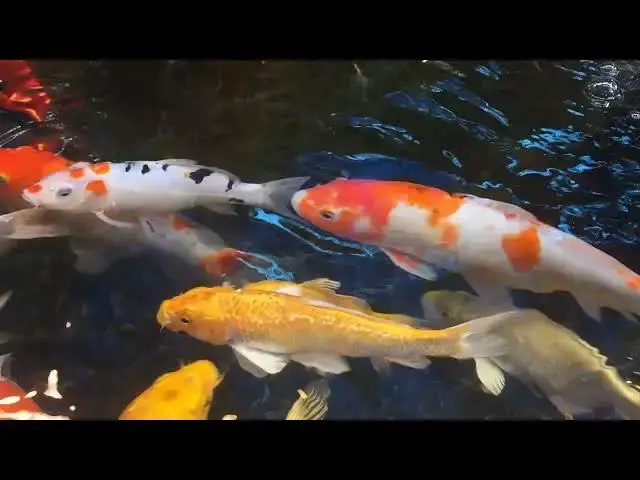
Learn how to provide optimal nutrition for your koi fish. This video covers balanced diets, feeding practices, and environmental factors to prevent nutritional deficiencies and ensure healthy growth. Discover the key elements of koi nutrition and how to recognize signs of deficiency.
Show More Show Less View Video Transcript
0:00
proper nutrition for growing koi
0:03
preventing deficiency koi fish are
0:05
living jewels in our pond but their
0:07
beauty and health depend greatly on
0:09
proper nutrition preventing nutritional
0:11
deficiencies is crucial for growing koi
0:13
to reach their full potential in this
0:15
video we will explore how to ensure your
0:18
koi receive all the nutrients they need
0:20
to thrive koi like all living creatures
0:24
require a balanced diet to stay healthy
0:26
common nutritional deficiencies in koi
0:28
include lack of protein vitamins and
0:30
minerals these deficiencies can lead to
0:33
stunted growth weakened immune systems
0:36
and dull coloration understanding these
0:38
risks is the first step in preventing
0:41
them a balanced diet for koi should
0:43
include high quality protein
0:46
carbohydrates fats vitamins and minerals
0:49
protein is essential for growth and
0:51
tissue repair while carbohydrates
0:53
provide energy fats are necessary for
0:56
hormone production and vitamin
0:57
absorption vitamins and minerals support
1:00
various bodily functions including
1:02
immune health and pigmentation to
1:04
prevent deficiencies establish proper
1:07
feeding practices feed your koi small
1:09
amounts multiple times a day rather than
1:11
one large feeding this approach mimics
1:14
their natural feeding patterns and
1:16
ensures better nutrient absorption
1:18
adjust the amount and frequency of
1:20
feeding based on water temperature and
1:23
season as koi metabolism slows in colder
1:26
months choose a highquality commercial
1:29
koi food as the base of their diet look
1:32
for food specifically formulated for koi
1:34
with a protein content of 30 to 35% for
1:37
growing fish supplement this diet with
1:40
Fresh Foods like leafy greens fruits and
1:43
vegetables to provide additional
1:44
nutrients and variety I consider adding
1:47
vitamin and mineral supplements to your
1:49
Ko's diet especially if you notice signs
1:51
of deficiency however be cautious not to
1:54
overs supplement as this can lead to
1:57
other health issues consult with a CO
1:59
health specialist or experienced breeder
2:02
for guidance on appropriate
2:03
supplementation environmental factors
2:06
play a significant role in koi nutrition
2:09
maintain good water quality through
2:11
regular testing and filtration poor
2:13
water conditions can stress fish and
2:15
impair their ability to absorb nutrients
2:18
also ensure your pond has adequate space
2:21
for your koi population as overcrowding
2:24
can lead to competition for food and
2:26
increased stress learn to recognize
2:29
signs of nutrition deficiencies in your
2:31
koi these may include slow growth faded
2:33
colors lethargy or increased
2:36
susceptibility to diseases if you notice
2:40
these symptoms review your feeding
2:42
practices and consider adjusting the
2:45
diet or adding supplements as needed in
2:47
severe cases consult the fish
2:49
veterinarian for proper diagnosis and
2:52
treatment preventing nutritional
2:53
deficiencies in growing koi requires
2:55
attention to diet feeding practices and
2:58
environmental conditions by providing a
3:00
balanced diet establishing proper
3:02
feeding routines and maintaining a
3:04
healthy Pond environment you can help
3:07
your koi grow into beautiful vibrant and
3:10
healthy fish remember the key to success
3:13
is consistency and observation with
3:16
proper care your koi will Thrive and
3:18
bring joy to your pond for years to come
#Nutrition
#Pets & Animals
#Pet Food & Supplies
#Pets
#Fish & Aquaria