Up next in 10


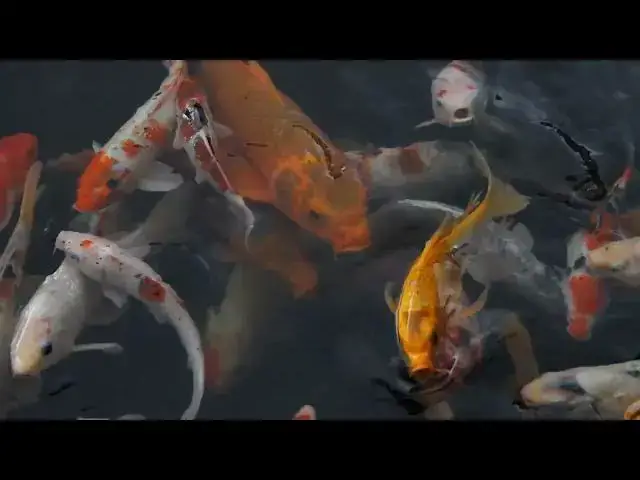
Learn how to keep your koi fish healthy and vibrant by preventing nutritional deficiencies. This video covers balanced feeding, proper techniques, water quality management, and seasonal adjustments to ensure your pond's colorful inhabitants thrive.
Show More Show Less View Video Transcript
0:00
prevent nutritional deficiencies in koi
0:02
fish essential care guide koi fish are
0:05
living jewels in our ponds but their
0:08
beauty can quickly fade if they don't
0:10
receive proper nutrition nutritional
0:13
deficiencies can lead to a host of
0:15
health problems for these colorful carts
0:17
this video will guide you through the
0:19
essential steps to prevent your koi from
0:22
developing nutritional deficiencies
0:24
ensuring they remain vibrant and healthy
0:27
coy fish can suffer from various
0:29
nutritional def deficiencies including
0:31
vitamin C deficiency which can lead to
0:33
poor growth and weakened immune systems
0:36
protein deficiency can cause stunted
0:38
growth and reduced color intensity lack
0:41
of essential fatty acids may result in
0:43
fin rot and other health issues to
0:46
maintain a balanced diet for your koi
0:48
it's crucial to provide highquality
0:50
commercial koi food as the foundation of
0:53
their nutrition these foods are
0:55
formulated to meet the basic nutritional
0:57
needs of koi including proteins fat fats
1:00
carbohydrates vitamins and minerals
1:03
however relying solely on commercial
1:05
food is not enough proper feeding
1:07
techniques play a significant role in
1:10
preventing nutritional deficiencies feed
1:12
your koi small amount multiple times a
1:15
day rather than one large feeding this
1:17
mimics their natural feeding patterns
1:19
and allows for better nutrient
1:21
absorption remove any uneaten food after
1:24
a few minutes to prevent water pollution
1:27
supplementing your koise diet with a
1:29
variet iy of foods is essential for
1:32
Optimal Health offer fresh fruits and
1:34
vegetables like oranges watermelon
1:36
lettuce and spinach these provide
1:38
additional vitamins and fiber you can
1:40
also include protein Rich treats like
1:43
silkworm poopie or bloodworms but use
1:46
these sparingly to avoid overfeeding
1:48
water quality directly impacts your
1:50
koi's ability to absorb nutrients
1:52
maintain proper filtration and perform
1:55
regular water changes to keep ammonia
1:57
and nitrate levels low pour water
2:00
quality can stress fish and reduce their
2:02
appetite leading to nutritional
2:04
deficiencies even if you're offering a
2:06
balanced diet consider seasonal changes
2:09
when feeding your koi in warmer months
2:11
koi have higher metabolisms and require
2:14
more food as temperatures drop reduce
2:17
feeding frequency and amount during
2:19
winter when water temperatures fall
2:21
below 50° F Co may not need to be fed at
2:25
all as their metabolism slows
2:27
significantly watch for signs of nut
2:29
nutritional deficiencies in your koi
2:31
these can include faded colors lethargy
2:34
poor growth th rot or unusual swimming
2:37
Behavior if you notice any of these
2:40
symptoms consult a koe health specialist
2:43
and review your feeding practices to
2:46
keep your koi healthy and prevent
2:47
nutritional deficiencies remember these
2:50
key points provide a balanced commercial
2:52
koi food supplement with Fresh Foods use
2:56
proper feeding techniques maintain
2:58
excellent water quality adjust feeding
3:00
based on seasons and stay vigilant for
3:02
signs of deficiencies by following these
3:05
guidelines you'll ensure your koi Remain
3:08
the stunning healthy centerpieces of
3:10
your pond for years to come
#Meat & Seafood
#Nutrition
#Vitamins & Supplements
#Pets
#Fish & Aquaria
#Fish & Aquaria
#Fruits & Vegetables
#Meat & Seafood Substitutes