Up next in 10


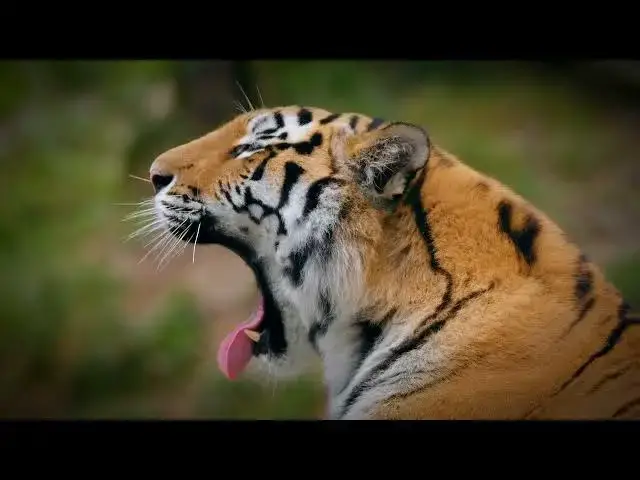
Explore how tigers, as apex predators, are responding to shifts in their prey's migration habits. This video examines the causes of these changes, the tigers' adaptive strategies, and the broader ecological impacts. Learn about the challenges tigers face and the importance of conservation efforts in maintaining the balance of their ecosystems.
Show More Show Less View Video Transcript
0:00
how Tigers adapt to changing prey
0:02
migration
0:03
pattern Tigers the largest of the big
0:07
cats are known for their strength
0:09
stealth and hunting
0:12
prowess but what happens when the rules
0:15
of the game
0:16
change when the animals they hunt start
0:19
altering their age old migration
0:23
patterns prey migration patterns are the
0:26
seasonal movements of animals in search
0:28
of food water water or breeding
0:32
grounds these patterns have evolved over
0:35
thousands of years creating a delicate
0:37
balance in
0:39
ecosystems tigers as apex predators have
0:43
long relied on these predictable
0:45
movements to sustain themselves and
0:47
their
0:48
CBS however various factors such as
0:52
climate change Habitat destruction and
0:56
human activities are disrupting these
0:59
traditional migration
1:01
routes this presents a significant
1:03
challenge for Tigers forcing them to
1:06
adapt their hunting strategies and
1:08
territories when faced with changes in
1:11
prey migration Tigers demonstrate
1:13
remarkable
1:15
adaptability they may expand their
1:17
hunting territories sometimes traveling
1:20
hundreds of kilometers in search of
1:22
food this expansion can lead to
1:25
increased conflicts with human
1:27
settlements and other tiger populations
1:31
Tigers also show flexibility in their
1:33
prey
1:34
choices while they typically prefer
1:37
larger ulet like deer and wild boar they
1:40
may shift to smaller prey or even resort
1:43
to hunting livestock when their usual
1:45
food sources become
1:47
scarce this adaptation while necessary
1:51
for survival can lead to increased human
1:54
tiger conflict in areas where tigers and
1:57
human settlements overlap
2:00
another response observed in Tigers is
2:03
the alteration of their own movement
2:05
patterns they may become more nomadic
2:08
following the changing roots of their
2:10
prey rather than maintaining fixed
2:14
territories this behavior requires
2:16
Tigers to be more energy efficient in
2:19
their hunting as they navigate
2:21
unfamiliar terrains and face new
2:24
challenges these changes in Tiger
2:26
Behavior have broader ecological
2:29
implications
2:31
as Tigers move into new areas or change
2:34
their hunting patterns it affects the
2:36
entire food
2:38
web other Predators May face increased
2:41
competition and the populations of
2:43
different prey species may fluctuate
2:46
leading to cascading effects throughout
2:49
the
2:50
ecosystem moreover changes in prey
2:53
migration patterns can impact tiger
2:55
breeding
2:57
success female tigers need a stable food
3:00
supply to successfully raise their
3:03
cups if food becomes unpredictable or
3:06
scarce it can lead to lower reproductive
3:09
rates and decreased cup survival further
3:12
threatening already vulnerable tiger
3:15
population understanding how Tigers
3:17
respond to changes in prey migration is
3:20
crucial for conservation
3:23
efforts it highlights the need for
3:25
comprehensive ecosystem management that
3:28
considers not just the Tiger themselves
3:31
but also their prey species and the
3:33
habitats that support them conservation
3:37
strategies must be adaptive taking into
3:40
account the dynamic nature of these
3:41
Predator prey relationships in a
3:44
changing
3:45
World by studying and addressing these
3:49
complex interactions we can better
3:51
protect tigers and the delicate balance
3:53
of the ecosystems they
3:55
inhabit the resilience of tigers in the
3:58
face of changing prey patterns offers
4:00
hope but it also underscores the urgent
4:03
need for Effective conservation measures
4:06
to ensure the survival of these
4:08
magnificent creatures in the wild
#Wildlife
#Wildlife
#Ecology & Environment
#Climate Change & Global Warming