Up next in 10


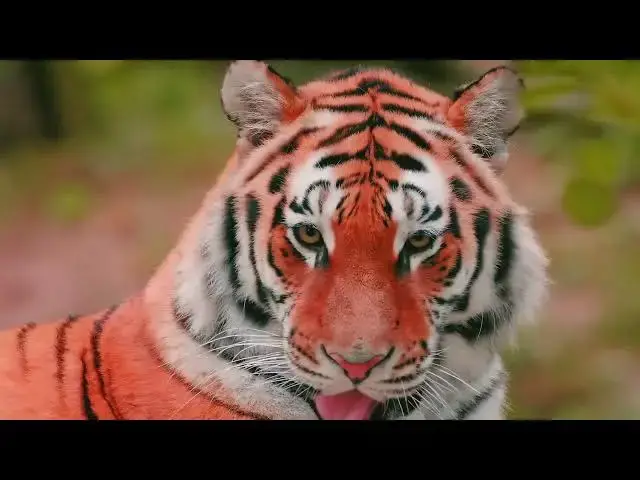
Explore how tigers respond to shifts in their environment, from deforestation to agricultural expansion. Learn about their adaptive behaviors in hunting, movement, and breeding as vegetation changes, and understand the importance of habitat diversity for tiger conservation.
Show More Show Less View Video Transcript
0:00
how Tigers adapt to changing vegetation
0:02
and their
0:03
habitats Tigers The Majestic big cats of
0:07
Asia are known for their strength and
0:10
adaptability but how do these apex
0:13
predators truly respond when their
0:15
surroundings
0:17
change today we explore the fascinating
0:20
world of tiger behavior and their
0:22
reactions to shifts in local
0:26
vegetation understanding how Tigers
0:28
interact with their envir environment is
0:31
crucial for their
0:33
conservation as human activities and
0:35
climate change alter Landscapes Tigers
0:38
must navigate new challenges in their
0:42
habitats these changes in vegetation can
0:45
significantly impact their hunting
0:47
strategies shelter options and overall
0:51
survival vegetation changes can occur in
0:54
various ways deforestation might reduce
0:58
dense forest cover while agricultural
1:01
expansion can introduce new plant
1:04
species climate change can alter the
1:06
composition of plant communities and
1:09
natural disasters like fires or floods
1:12
can rapidly transform
1:14
Landscapes when faced with a reduction
1:17
in dense forest cover Tigers often
1:20
exhibit increased caution and altered
1:23
movement
1:24
patterns they may become more nocturnal
1:27
utilizing the cover of Darkness to
1:29
compensate for the loss of vegetative
1:32
consumer this shift can affect their
1:34
hunting success and potentially lead to
1:37
increased human tiger conflict as they
1:40
search for new
1:41
territories in areas where grasslands
1:44
expand Tigers might adapt their hunting
1:48
techniques they may spend more time
1:51
stalking prey in open areas relying on
1:54
their excellent camouflage to blend with
1:56
tall
1:58
grasses however this adaptation can
2:01
expose them to Greater risks from Human
2:04
detection and
2:06
poaching the introduction of
2:07
agricultural lands near tiger habitats
2:10
presents a complex
2:12
scenario while some Tigers May avoid
2:15
these areas due to human presence others
2:18
might be drawn to the edge habitats
2:20
where Forest meets
2:22
Farmland these areas can attract prey
2:25
animals creating new hunting
2:27
opportunities for Tigers but also
2:30
increasing the likelihood of encounters
2:32
with
2:33
humans changes in vegetation can also
2:36
impact tiger breeding
2:38
behaviors female tigers require dense
2:42
cover for Denning and raising
2:45
cups a reduction in suitable vegetation
2:48
might force them to choose less optimal
2:51
locations potentially affecting cubed
2:54
survival
2:55
rates interestingly not all vegetation
2:58
changes negative ly impact
3:01
tigers in some cases the regrowth of
3:04
forests in abandoned agricultural lands
3:08
can create new habitats for Tigers and
3:11
their
3:12
prey this demonstrates the resilience of
3:15
these animals and their ability to adapt
3:17
to certain environmental
3:19
shifts for
3:22
conservationists understanding these
3:23
reactions is vital it allows for more
3:27
effective habitat management and
3:29
corridor planning ensuring that tigers
3:31
have access to the diverse vegetation
3:34
types they need for hunting shelter and
3:38
reproduction as we continue to study and
3:40
protect these magnificent creatures it
3:43
is clear that preserving a mosaic of
3:45
vegetation types is
3:48
crucial by maintaining diverse habitats
3:51
and minimizing drastic changes we can
3:53
help ensure the survival of tigers in
3:56
the wild the adaptability of tigers to
3:59
veget ation changes offers hope but it
4:02
is our responsibility to safeguard their
4:04
habitats and secure a future where these
4:07
iconic Predators continue to thrive in
4:10
the everchanging Landscapes of Asia
#Wildlife
#Wildlife
#Ecology & Environment
#Hunting & Shooting
#Other