Up next in 10


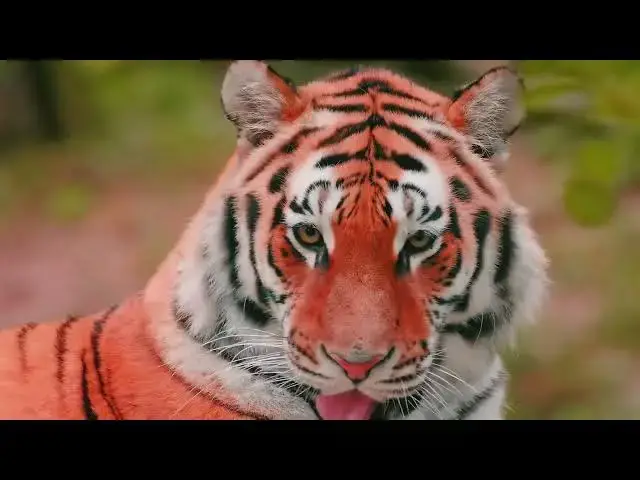
Discover how tigers adapt their hunting strategies to survive in cold, snow-covered regions. Learn about their unique stalking methods, physical adaptations, and clever use of the snowy landscape to catch prey effectively. This video explores the remarkable skills that allow these powerful predators to thrive in unexpected habitats.
Show More Show Less View Video Transcript
0:00
tiger hunting techniques in snowy
0:03
environments picture a majestic tiger is
0:06
orange and black stripes Stark against a
0:09
pristine white
0:11
landscape how does this apex predator
0:14
typically associated with tropical
0:16
jungles survive and hunt in snowy
0:20
regions today we explore the fascinating
0:24
adaptations of tigers's hunting
0:26
techniques in cold snow covered
0:28
environments
0:30
tigers are incredibly adaptable
0:33
creatures capable of thriving in diverse
0:36
habitats from tropical forests to Snowy
0:41
Mountains however hunting in snowy
0:44
regions presents unique
0:47
challenges the bright white backdrop
0:50
makes their usual camouflage less
0:52
effective and the cold temperatures
0:55
require more energy for
0:58
survival despite these OB obstacles
1:00
tigers have developed remarkable
1:02
strategies to succeed in these harsh
1:06
conditions one key adaptation is their
1:09
approach to stalking
1:12
prey in snowy areas Tigers take
1:15
advantage of any available cover such as
1:17
rocks or trees to break up their
1:21
outline they move with extreme patience
1:24
often remaining motionless for long
1:26
periods to avoid
1:28
detection this Tech technique allows
1:30
them to get closer to their prey before
1:33
launching an
1:34
attack tigers in snowy regions have also
1:38
modified their hunting
1:40
schedule they are more likely to hunt
1:42
during Twilight hours or on overcast
1:45
days when the glare from the snow is
1:48
reduced this timing not only improves
1:51
their camouflage but also coincides with
1:53
when their prey such as deer or wild
1:56
boar are more active and visible against
1:59
the
2:00
snow interestingly tigers in these
2:03
environments have learned to use the
2:06
sound dampening properties of snow to
2:09
their
2:10
advantage they step carefully facing
2:13
their paes in a way that minimizes
2:16
noise this silent approach allows them
2:19
to get remarkably close to their prey
2:22
without alerting them physical
2:25
adaptations also play a crucial role in
2:28
their hunting success
2:30
tigers in CER regions typically have
2:33
thicker coats and a layer of fat that
2:36
helps them withstand low
2:38
temperatures this insulation allows them
2:41
to remain still for longer periods while
2:44
stalking prey without losing too much
2:47
body heat their large pores act like
2:50
natural snowshoes Distributing their
2:53
weight over a larger surface
2:55
area this adaptation prevents them from
2:58
sinking into deep snow snow allowing for
3:01
quicker and more efficient movement when
3:04
chasing
3:05
prey Additionally the fur between their
3:08
toe pads helps provide traction on icy
3:12
surfaces compared to their hunting
3:14
techniques in warmer climates tigers in
3:17
snowy regions rely more heavily on
3:19
ambush
3:21
tactics while tigers in jungles might
3:24
Chase prey over short distances those in
3:27
snowy areas prefer to get as close as
3:29
possible possible before making a final
3:31
powerful
3:32
lunge this strategy conserves energy
3:36
which is crucial in code environments
3:38
where calories are
3:40
precious these remarkable
3:43
adaptations highlight the incredible
3:45
versatility of tigers as
3:48
Predators their ability to modify
3:50
hunting techniques based on their
3:52
environment is a testament to their
3:54
intelligence and
3:56
adaptability as climate change continues
3:59
to affect habitats worldwide these
4:02
skills may become increasingly important
4:04
for Tiger
4:06
populations understanding how tigers
4:09
hunt in diverse environments is crucial
4:12
for conservation
4:14
efforts by recognizing the specific
4:17
needs and behaviors of tigers in
4:19
different habitats we can better protect
4:22
these magnificent creatures and ensure
4:25
their survival for generations to come
4:28
the adaptability of of tigers as seen in
4:31
their hunting techniques in snowy
4:33
regions gives us hope for their
4:36
resilience in the face of environmental
4:38
challenges
#Wildlife
#Wildlife
#Ecology & Environment
#Hunting & Shooting