live_tv
Livestream Starting Soon
00
Hours
:
00
Minutes
:
00
Seconds
Up next in 10


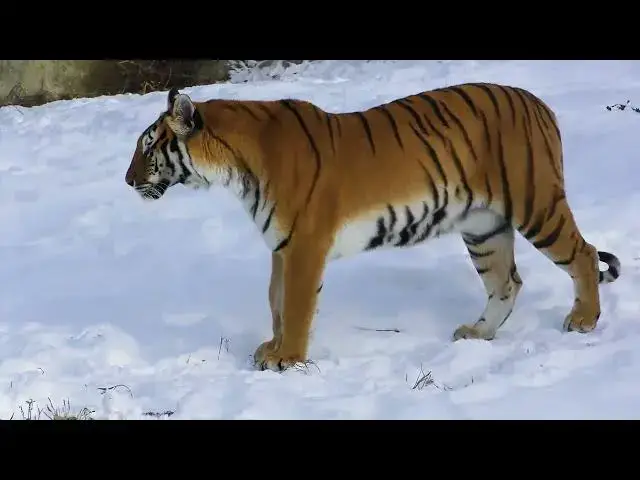
How Tigers’ Hunting Style Differs in Swamps vs Forests
Show More Show Less View Video Transcript
0:00
tiger hunting techniques Forest VES
0:03
swamp tigers are nature's perfect
0:07
Predators adapting their hunting
0:09
techniques to thrive in diverse
0:12
environments today we will explore how
0:15
these magnificent big cats modify their
0:19
hunting style when stalking prey in two
0:22
distinct
0:23
habitats dense forests and murky
0:27
swamps tigers are renowned for their
0:30
their strength stealth and
0:32
patience these solitary Hunters
0:35
typically rely on ambush tactics using
0:38
their striped coat as camouflage to
0:40
blend seamlessly into their
0:43
surroundings but how do they adjust
0:45
their strategies when faced with
0:48
different
0:49
terrains in forests Tigers take full
0:52
advantage of the Abundant cover provided
0:55
by trees bushes and tall
0:58
grasses they move silently through the
1:01
undergrowth their padded paes barely
1:03
making a sound on the forest
1:05
floor tigers in this environment often
1:08
employers sit and wait strategy hiding
1:11
behind vegetation and waiting for
1:13
unsuspecting prey to pass by when the
1:17
moment is right they explode into action
1:20
using their powerful hind legs to propel
1:23
themselves towards their Target in a
1:25
short intense burst of
1:28
speed the forest environment allows
1:31
Tigers to get extremely close to their
1:33
prey before attacking often within 20 to
1:37
30 ft this proximity increases their
1:40
chances of a successful hunt as they can
1:43
quickly overpower their victim before it
1:46
has a chance to flee forest tigers also
1:50
use Fallen logs and natural ridges as
1:53
Vantage points giving them a better view
1:55
of potential prey
1:57
movements now let us turn our attention
2:01
to how Tigers adapt their hunting style
2:03
in
2:04
swamps swamp habitats present unique
2:08
challenges with their water log terrain
2:11
and often more Open
2:13
Spaces in these environments Tigers must
2:16
be even more patient and creative in
2:20
their
2:21
approach swamp Belling tigers are
2:24
excellent swimmers using this skill to
2:26
their advantage when
2:28
hunting they often merge themselves in
2:31
water with only their eyes and nose
2:33
above the surface waiting for prey to
2:36
come to the water's edge to
2:38
drink this aquatic Ambush technique
2:42
allows them to remain hidden from even
2:44
the most Vigilant
2:46
prey in swamps Tigers may need to cover
2:49
greater distances to reach their
2:52
prey they have adapted by developing a
2:54
more prolonged stalking approach
2:57
sometimes following potential targets
2:59
for hours before finding the right
3:01
moment to strike the softer muddier
3:05
ground of swamps also requires Tigers to
3:08
be more careful with their movements to
3:10
avoid making noise that could alert
3:12
their
3:13
prey another key difference in swamp
3:16
hunting is the types of prey
3:18
available while forest tigers often
3:21
Target deer and wild boar swamp Tigers
3:24
May hunt water growing animals like fish
3:28
and even small crocodile
3:31
this diversification of prey requires a
3:34
broader range of hunting
3:36
techniques comparing the two habitats we
3:39
see that forest tigers rely more on
3:41
short bursts of speed and close quarter
3:44
ambushes while swamp Tigers employed
3:47
patience swimming skills and
3:50
longdistance
3:51
stalking Forest hunts are often quicker
3:54
Affairs while swamp hunts may require
3:57
more time and energy investment
4:00
the ability of tigers to adapt their
4:02
hunting techniques to such different
4:04
environments showcases their incredible
4:07
intelligence and versatility as
4:10
Predators this adaptability is crucial
4:12
for their survival especially in the
4:15
face of habitat loss and
4:18
fragmentation by understanding how
4:20
tigers hunt in various habitats we gain
4:23
valuable insights into their behavior
4:26
and ecological needs which is essential
4:29
for conser a efforts aimed at protecting
4:32
these magnificent creatures and the
4:34
diverse ecosystems they inhabit
#Wildlife
#Wildlife
#Ecology & Environment