Up next in 10


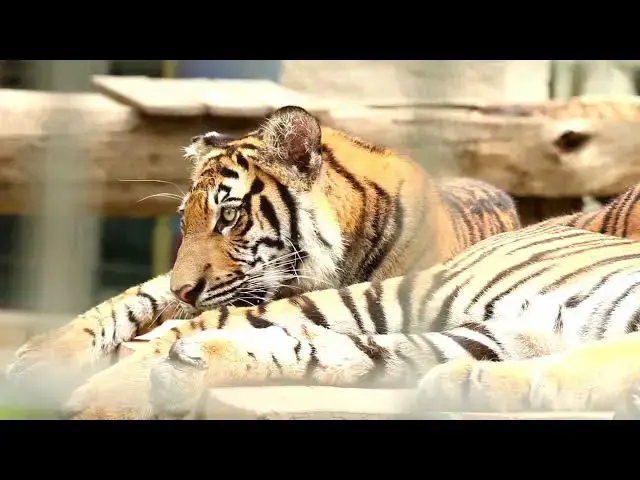
Discover how tigers protect rare tree species in Asian forests. This video explores the ecological connection between these apex predators and endangered plants, showing how tiger conservation impacts entire forest ecosystems. Learn about trophic cascades, biodiversity, and the importance of preserving nature's delicate balance.
Show More Show Less View Video Transcript
0:00
Tigers unexpected guardians of rare
0:02
trees in Asian
0:04
forests in the Lush forests of Asia an
0:08
unexpected Alliance is unfolding between
0:11
two seemingly unrelated
0:13
organisms tigers and rare tree
0:17
species this fascinating connection
0:21
reveals the intricate Web of Life in our
0:24
ecosystems and highlights the
0:26
far-reaching impact of apex predators
0:30
at first glance tigers and trees appear
0:32
to have little in
0:34
common however these magnificent big
0:38
cats play a crucial role in maintaining
0:41
the delicate balance of their Forest
0:43
habitats including the survival of rare
0:46
and endangered tree
0:48
species the influence of tigers on tree
0:51
populations stems from their position at
0:54
the top of the food
0:56
chain as apex predators tigers control
1:00
the populations of herbivores such as
1:02
deer and wild
1:04
boar when tiger numbers decline these
1:07
herbivore populations can grow unchecked
1:10
leading to overg grazing and damage to
1:12
Young trees and
1:14
seedlings one example of this
1:16
relationship can be observed in India's
1:18
tropical dry
1:20
forests here several rare tree species
1:25
including the ghost tree and the white
1:27
flowered KY struggle to regenerate in
1:30
areas where tiger populations have
1:33
grindle the absence of tigers allows
1:36
deer populations to explode resulting in
1:40
excessive browsing of young saplings and
1:42
preventing these rare trees from
1:44
reaching
1:46
maturity in contrast forests with
1:49
healthy tiger populations show a greater
1:51
diversity of tree species including rare
1:54
and endangered
1:56
varieties presence of tigers creates a
1:59
land ESC Cape of fear altering the
2:02
behavior of herbivores and creating safe
2:04
spaces for vulnerable plants to
2:07
grow this phenomenon known as a trophic
2:12
Cascade demonstrates how the influence
2:14
of a top predator can Ripple through an
2:17
entire
2:19
ecosystem the benefits of tiger
2:22
conservation extend beyond rare tree
2:25
species by protecting Tigers and their
2:28
habitats we safeguard entire forest
2:32
ecosystems these forests serve as carbon
2:36
sinks regulate local climate patterns
2:39
and provide essential resources for
2:42
countless other plant and animal
2:45
species furthermore the preservation of
2:48
rare tree species contributes to the
2:51
overall genetic diversity of
2:54
forests this diversity is crucial for
2:56
the long-term resilience of ecosystems
2:59
especially in the face of climate change
3:01
and other environmental
3:04
pressures the relationship between
3:06
tigers and rare trees underscores the
3:09
complexity of Nature and the importance
3:12
of conservation efforts that consider
3:14
entire ecosystems rather than individual
3:19
species by protecting Tigers we
3:22
inadvertently Shield a myriad of other
3:25
species including those rare trees that
3:27
might otherwise be overlooked
3:30
as we continue to unravel the intricate
3:33
connections within our natural world the
3:35
tiger tree relationship serves as a
3:38
powerful reminder of the unforeseen
3:41
consequences of species
3:43
lost it emphasizes the need for
3:46
comprehensive conservation strategies
3:48
that recognize and preserve the delicate
3:51
balance of our
3:52
ecosystems the survival of rare tree
3:55
species may not be the first thing that
3:58
comes to mind when we think of about
4:00
tiger conservation but it is a testament
4:02
to the far-reaching impact these
4:05
magnificent creatures have on their
4:08
environment by protecting Tigers we are
4:11
not just saving a single species but
4:13
nurturing the rich tapestry of life that
4:16
depends on their presence
#Forestry
#Wildlife
#Wildlife
#Biological Sciences
#Ecology & Environment