live_tv
Livestream Starting Soon
00
Hours
:
00
Minutes
:
00
Seconds
Up next in 10


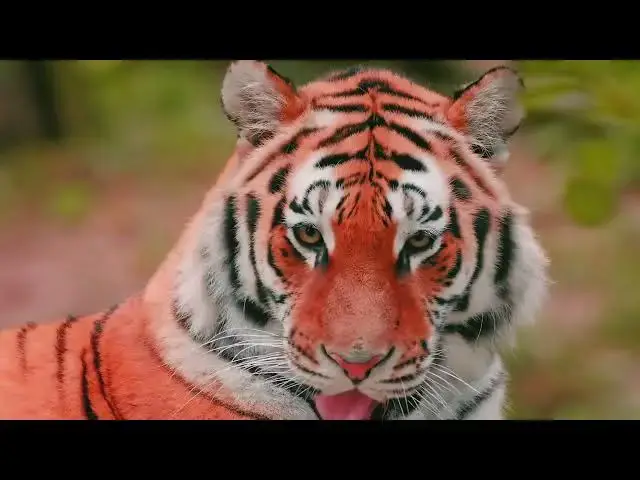
Explore how tigers adjust their behavior and activity patterns in response to seasonal changes in daylight. Learn about their circadian rhythms, crepuscular nature, and the importance of light cycles in tiger conservation efforts across various habitats.
Show More Show Less View Video Transcript
0:00
how Tigers adapt to changing daylight
0:03
hours
0:05
Tigers The Majestic big cats of Asia are
0:09
known for their striking orange coats
0:11
and Powerful
0:13
presence but have you ever wondered how
0:15
these incredible animals adapt to the
0:18
changing daylight hours throughout the
0:20
year this fascinating aspect of tiger
0:24
Behavior reveals much about their
0:26
survival strategies and natural
0:28
rhythms ERS inhabit a wide range of
0:32
environments from the snowy Landscapes
0:34
of Siberia to the tropical forests of
0:37
India and Southeast
0:39
Asia these diverse habitats experience
0:43
varying daylight patterns from the
0:45
extreme seasonal changes in the North to
0:48
the more consistent daylengths near the
0:52
equator despite these differences tigers
0:55
have evolved remarkable ways to adjust
0:58
their behavior to make the most of
1:00
available light at the core of a tiger's
1:04
ability to adapt to changing daylight is
1:07
their circadian rhythm an internal
1:09
biological clock that regulates their
1:12
daily
1:13
activities this internal clock is
1:17
influenced by external cues primarily
1:20
the cycle of light and
1:23
darkness Tigers like many other animals
1:27
have a natural tendency to be more
1:29
active during During certain parts of
1:30
the day as daylight hours change Tigers
1:35
adjust their activity patterns
1:37
accordingly in general tigers are
1:40
crepuscular meaning they are most active
1:43
during Twilight hours Dawn and
1:47
dusk this Behavior allows them to take
1:49
advantage of the lower light conditions
1:52
when their prey may be more vulnerable
1:54
while also avoiding the intense heat of
1:57
midday in warmer climates
2:00
during longer summer days Tigers May
2:03
extend their active periods taking
2:06
advantage of the increased hunting
2:09
opportunities they might begin their
2:11
activities earlier in the evening and
2:12
continue later into the
2:14
morning conversely in winter when days
2:18
are shorter Tigers May compress their
2:21
active time focusing their energy on the
2:24
limited Twilight hours available for
2:28
hunting seasonal variations in daylight
2:31
also trigger broader changes in Tiger
2:34
behavior in CER regions such as the
2:37
Russian Far East Amur Tigers face
2:40
extreme variations in day length during
2:44
the short winter days these Tigers may
2:47
become more active during daylight hours
2:50
to maximize their hunting success in the
2:53
limited time
2:55
available they also grow thicker coats
2:58
and store more fat to cope with the
3:00
colder temperatures and reduced prey
3:04
availability in tropical regions where
3:07
seasonal changes in daylight are less
3:09
pronounced Tiger's adjustments are more
3:12
subtle they may alter their behavior
3:15
based on other environmental factors
3:17
like rainfall patterns or prey movements
3:20
which can be indirectly influenced by
3:22
slight variations in daylight for tigers
3:25
in captivity adapting to changes in
3:28
daylight can be more challeng
3:30
Ching artificial Lighting in zoos and
3:33
wildlife parks can disrupt their natural
3:36
circadian
3:37
rhythms to address this many modern
3:41
facilities Implement Lighting systems
3:44
that munic natural daylight patterns
3:47
helping captive Tigers maintain
3:49
healthier activity
3:52
Cycles understanding how Tigers adjust
3:54
to changes in daylight hours is crucial
3:57
for Tiger conservation efforts
4:00
this knowledge helps Wildlife managers
4:03
create more suitable environments for
4:05
captive tigers and informed strategies
4:08
for protecting Wild Tiger
4:11
habitats by respecting and preserving
4:14
the natural light cycles in Tiger
4:17
territories we can contribute to the
4:19
survival and well-being of these
4:22
magnificent
4:23
creatures Tiger's ability to adapt to
4:26
changing daylight demonstrates the
4:29
intricate con connection between these
4:31
animals and their
4:33
environment as we continue to study and
4:36
appreciate these adaptations we gain
4:38
deeper insights into the complex lives
4:41
of tigers and the delicate balance of
4:44
nature they inhabit
#Wildlife
#Wildlife
#Biological Sciences
#Ecology & Environment