Up next in 10


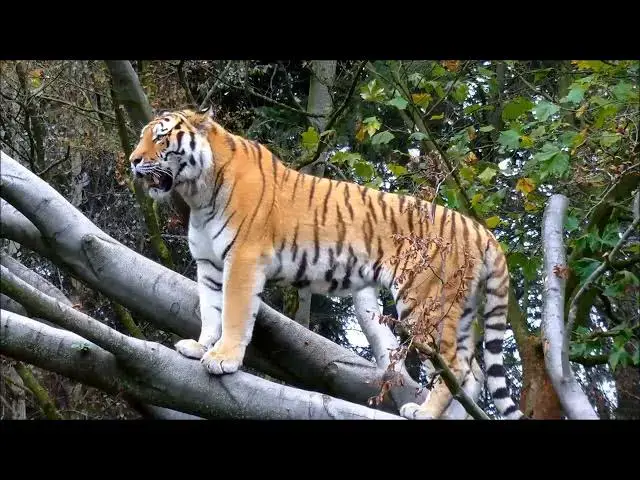
Explore how tigers are adapting to survive in increasingly fragmented habitats. Learn about the challenges they face, their remarkable adaptations, and the conservation efforts supporting their survival in changing landscapes.
Show More Show Less View Video Transcript
0:00
Tiger survival adapting to fragmented
0:03
habitats Tigers the largest of all wild
0:07
cats have long captured our imagination
0:10
with their power and Beauty but did you
0:13
know that over the last century tiger
0:15
populations have plummeted by
0:18
95% one of the primary reasons for this
0:21
decline is habitat
0:23
fragmentation a challenge that these
0:26
magnificent creatures are constantly
0:28
adapting to survive
0:30
habitat fragmentation occurs when large
0:33
continuous areas of habitat are divided
0:36
into smaller isolated
0:39
patches this process is often caused by
0:42
human activities such as
0:44
deforestation agricultural expansion and
0:47
Urban
0:48
Development for Tigers this means their
0:51
once vast territories are now broken up
0:54
into disconnected areas presenting
0:57
numerous challenges to their survival
1:00
the fragmentation of tiger habitats has
1:03
far-reaching
1:05
consequences it reduces the available
1:07
space for Tigers to roam hunt and
1:10
establish
1:12
territories this limitation can lead to
1:15
decreased genetic diversity as tiger
1:18
populations become isolated from one
1:20
another additionally fragmented habitats
1:24
often bring tigers into closer contact
1:27
with human settlements increasing the
1:30
potential for
1:31
conflict despite these challenges tigers
1:34
have shown remarkable
1:36
adaptability one key adaptation is their
1:40
ability to utilize narrow corridors of
1:42
forest or vegetation to move between
1:45
habitat
1:47
fragments these Wildlife corridors allow
1:50
Tigers to access different areas for
1:52
hunting and breeding helping to maintain
1:54
genetic diversity within the
1:57
population tigers have also so adapted
2:00
their hunting strategies in fragmented
2:04
Landscapes they have become more
2:06
opportunistic in their prey selection
2:09
sometimes targeting smaller animals or
2:11
even livestock when they preferred large
2:13
uate prey is
2:16
scarce this flexibility and diet has
2:20
helped Tigers persist in areas where
2:22
their traditional food sources have
2:25
declined another notable adaptation is
2:28
the adjustment of their activ ity
2:31
patterns in areas with high human
2:34
presence tigers have been observed
2:36
shifting to more nocturnal Behavior
2:39
reducing the likelihood of human
2:41
encounters and
2:43
conflicts interestingly some Studies
2:46
have shown that tigers in fragmented
2:48
habitats may have smaller home ranges
2:51
compared to those in continuous
2:53
forests this adaptation allows them to
2:57
make the most of limited space though it
3:00
often comes at the cost of reduced
3:02
reproductive success and increased
3:05
competition among
3:07
individuals conservation efforts play a
3:11
crucial role in supporting Tiger's
3:13
adaptation to fragmented
3:16
habitats the establishment of protected
3:19
areas and the creation of wildlife
3:21
corridors are vital
3:23
strategies these initiatives aim to
3:26
preserve existing tiger habitats and Rec
3:29
connect fragmented areas allowing for
3:32
greater movement and genetic exchange
3:35
between
3:37
populations community-based conservation
3:40
programs are also
3:42
essential these initiatives work with
3:45
local communities to reduce human tiger
3:47
conflict and promote
3:50
coexistence by involving local people in
3:53
conservation
3:54
efforts these programs help create a
3:57
more sustainable future for both with
4:00
tigers and humans in shared
4:03
Landscapes the story of how Tigers adapt
4:06
to Habitat fragmentation is one of
4:09
resilience and survival against mounting
4:12
odds while these adaptations have
4:15
allowed Tigers to persist in many areas
4:18
the challenges they face are still
4:21
significant the continued survival of
4:23
these magnificent creatures depends on
4:26
our ongoing commitment to conservation
4:28
and habitat
4:30
protection by understanding and
4:32
supporting Tiger's adaptations to a
4:35
changing landscape we can help ensure
4:37
that these iconic Predators continue to
4:40
roam the wild for generations to come
#Wildlife
#Wildlife
#Ecology & Environment
#Tourist Destinations
#Zoos, Aquariums & Preserves
#Hunting & Shooting