Up next in 10


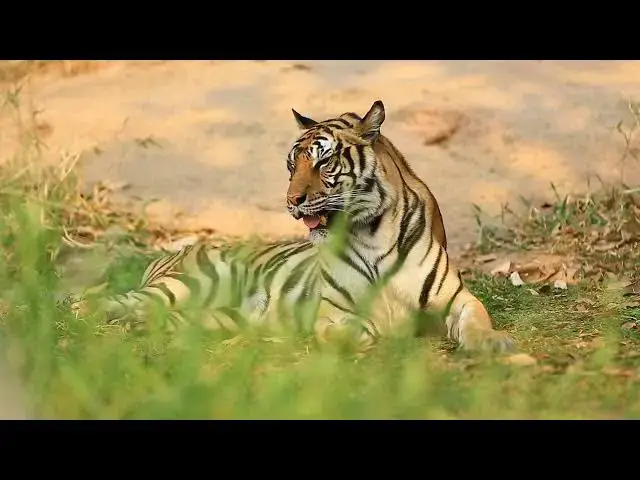
Explore the surprising link between tiger populations, their prey, and local plant life. Learn how changes in tiger numbers can trigger a chain reaction affecting entire ecosystems, from deer grazing habits to forest regeneration and soil composition. This video highlights the importance of balanced predator-prey relationships in maintaining biodiversity and ecosystem health.
Show More Show Less View Video Transcript
0:00
tiger prey and plant life a hidden
0:03
ecological
0:04
connection the intricate Web of Life in
0:07
ecosystems often reveals surprising
0:11
connections one such fascinating
0:13
relationship exists between tiger prey
0:16
populations and local plant
0:19
life this ecological interplay shapes
0:23
the very landcape Tigers call
0:26
H tigers as apex predators
0:30
play a crucial role in regulating the
0:32
populations of their prey
0:35
animals these prey species in turn have
0:38
a significant impact on the vegetation
0:40
in their
0:42
habitats when tiger numbers decline it
0:45
sets off a chain reaction that
0:46
reverberates throughout the entire
0:49
ecosystem consider the example of deer a
0:53
common prey for
0:55
tigers in areas where tiger populations
0:59
are healthy dear numbers are kept in
1:02
check this balance allows for a diverse
1:06
array of plant species to
1:09
thrive however when tiger numbers drop
1:12
deer populations can explode leading to
1:16
overgrazing this excessive consumption
1:19
of vegetation can dramatically alter the
1:22
composition of local
1:24
Flora overg grazing by unchecked prey
1:27
populations can have far-reaching
1:31
consequences it often results in a
1:33
reduction of plant diversity as deer
1:35
tend to favor certain plant species over
1:39
others this selective feeding can lead
1:42
to the dominance of less palatable or
1:44
undesirable plants changing the entire
1:47
character of the forest under
1:50
Story the impact extends Beyond just the
1:53
plants being
1:55
eaten as prey animals consume more
1:58
vegetation they can alter the physical
2:00
structure of the
2:02
habitat this change affects other
2:05
Wildlife that depends on specific plant
2:07
arrangements for shelter nesting or
2:10
their own food
2:12
sources the result is a Cascade of
2:15
effects that can reduce overall
2:18
biodiversity moreover the altered
2:21
vegetation patterns can influence soil
2:23
composition and erosion
2:25
rates with fewer plants to hold the soil
2:28
in place erosion can increase
2:31
potentially affecting water quality in
2:34
nearby streams and
2:36
rivers this showcases how the
2:39
relationship between Tigers and their
2:42
prey can have impacts that extend far
2:45
beyond the immediate food
2:47
chain in some cases the overabundance of
2:50
prey animals can even change the
2:52
trajectory of forest
2:54
regeneration by heavily feeding on tree
2:57
seedlings these animals can slow low or
3:00
alter the natural succession of forest
3:04
ecosystems this long-term impact
3:08
underscores the importance of
3:10
maintaining a balanced Predator prey
3:12
relationship for the health of the
3:14
entire
3:16
ecosystem understanding these complex
3:19
interactions highlights the critical
3:21
role that Tigers play in maintaining
3:24
ecosystem Health conservation efforts
3:28
that Focus solely on protecting Tigers
3:31
without considering the entire
3:33
ecological picture may fall short a
3:37
holistic approach that takes into
3:39
account the delicate balance between
3:42
Predators prey and plants is essential
3:46
for preserving these rich and diverse
3:49
habitat the relationship between tiger
3:52
prey populations and local Flora serves
3:55
as a powerful reminder of the
3:58
interconnectedness of nature
4:01
it demonstrates how the presence or
4:04
absence of a single species can have far
4:07
reaching effects on an entire
4:11
ecosystem by protecting tigers and
4:13
maintaining healthy Predator prey
4:17
Dynamics we not only ensure the survival
4:20
of these magnificent creatures but also
4:22
preserve the rich tapestry of plant life
4:25
that defines their habitats
#Wildlife
#Wildlife
#Ecology & Environment
#Zoos, Aquariums & Preserves