live_tv
Livestream Starting Soon
00
Hours
:
00
Minutes
:
00
Seconds
Up next in 10


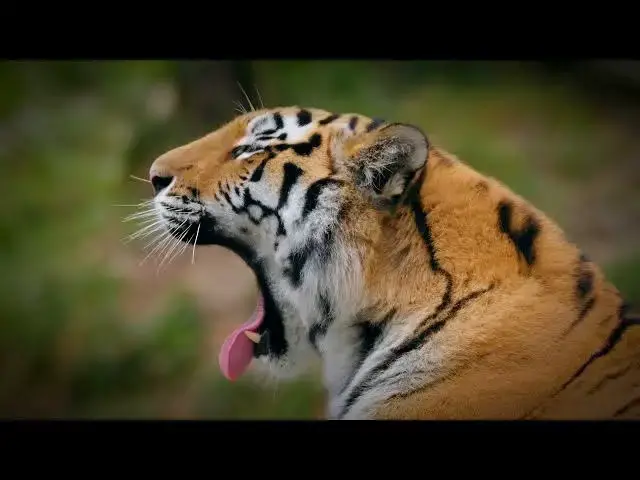
Discover how tigers impact forest ecosystems beyond their role as predators. This video explores the link between tiger presence, herbivore behavior, and nutrient distribution on the forest floor, highlighting the importance of conservation for maintaining ecological balance.
Show More Show Less View Video Transcript
0:00
tigers and forest floor nutrients an
0:02
unexpected
0:04
connection the intricate Web of Life in
0:07
our forests extends far beyond what
0:10
meets the eye today we're exploring a
0:14
fascinating ecological phenomenon how
0:17
the presence of tigers indirectly
0:20
influences the nutrient levels on the
0:22
forest
0:23
floor at the top of the food chain
0:26
Tigers play a crucial role as apex
0:29
predators
0:30
their very presence creates a ripple
0:33
effect throughout the entire ecosystem
0:36
known as a Tropic
0:39
Cascade this Cascade begins with the
0:42
Tiger's primary
0:44
prey large herbivores such as deer and
0:48
wild
0:49
boar in areas where tigers roam hore
0:52
populations are kept in
0:54
check these animals must remain Vigilant
0:58
and constantly on the move to avoid
1:01
becoming a tiger's next
1:03
meal as a result they spend less time in
1:07
any one area reducing their impact on
1:10
the local
1:11
vegetation now let's consider what
1:14
happens in the absence of
1:16
tigers without this top predator
1:19
herbivore populations can grow
1:22
unchecked these animals feel safer and
1:25
spend more time grazing in specific
1:28
areas this leads to overg grazing where
1:31
certain plant species are consumed at
1:34
unsustainable
1:35
rates the impact of overg grazing
1:38
extends Beyond just the plants being
1:42
eaten as vegetation is reduced the
1:45
forest floor becomes more
1:47
exposed this exposure can lead to
1:50
increased soil erosion and changes in
1:53
the local micro
1:54
climate Additionally the distribution of
1:57
animal droppings which act as natural
2:00
fertilizers becomes more concentrated in
2:03
certain areas rather than being spread
2:05
evenly throughout the
2:07
forest these changes have a direct
2:09
effect on the nutrient levels in the
2:12
forest
2:13
floor in areas with healthy tiger
2:16
populations we typically see a more
2:18
balanced distribution of
2:21
nutrients the forest floor maintains a
2:23
rich diverse layer of decomposing plant
2:27
matter and animal waste which slowly
2:30
releases nutrients back into the
2:32
soil conversely in areas where tigers
2:36
are absent we often observe patches of
2:38
nutrient poor soil due to overgrazing
2:42
alongside areas of excessive nutrient
2:44
concentration from herbivore
2:47
droppings this imbalance can lead to
2:50
changes in the types of plants that can
2:53
thrive in these areas potentially
2:56
altering the entire forest ecosystem
2:59
over time time the relationship between
3:02
Tigers their prey and forest floor
3:05
nutrients demonstrates the complex
3:09
interconnectedness of
3:12
ecosystems it highlights how the loss of
3:14
a single species especially an apex
3:17
predator like the tiger can have
3:19
far-reaching
3:20
consequences that extend to the very
3:23
soil beneath our feet this understanding
3:27
underscores the critical importance of
3:29
tiger conservation
3:31
efforts by protecting Tigers we're not
3:34
just saving a single species but helping
3:37
to maintain the delicate balance of
3:39
entire forest
3:41
ecosystems the health of these
3:43
ecosystems in turn affects everything
3:47
from local biodiversity to Global
3:49
Climate
3:50
regulation as we continue to study and
3:54
understand these intricate ecological
3:56
relationships it becomes increasingly
3:58
clear that conservation efforts must
4:01
take a holistic
4:03
approach protecting Tigers means
4:06
protecting their prey their habitat and
4:09
the countless other species that share
4:12
their Forest
4:13
Home in doing so we Safeguard the health
4:17
and biodiversity of our planet's
4:19
invaluable forest ecosystems
#Wildlife
#Wildlife
#Biological Sciences
#Ecology & Environment